Software

View All
Good Leaders Don't Shut Down Pushback, They See It As Intel - Professional coverage
BusinessInnovationSoftware

Good Leaders Don’t Shut Down Pushback, They See It As Intel

According to Fast Company, a former top digital and innovation executive for Citi's credit card business recounts a pivotal failure…

Pharma's AI Bet: Less Glamour, More Grunt Work - Professional coverage
AIInnovationSoftware

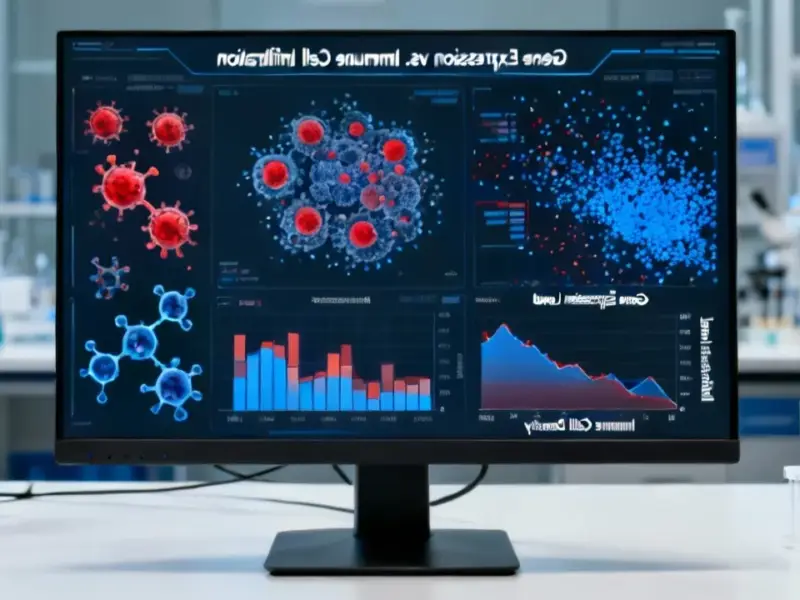
Pharma’s AI Bet: Less Glamour, More Grunt Work

According to Reuters, major pharmaceutical companies like Eli Lilly, AstraZeneca, Roche, and Pfizer are using AI not to discover new…

We're All Paranoid Now, and ClarityCheck Is Cashing In - Professional coverage
CybersecurityPrivacySoftware

We’re All Paranoid Now, and ClarityCheck Is Cashing In

According to Digital Trends, the digital safety platform ClarityCheck is seeing users fundamentally change how they approach online trust. The…

EducationTechnology

Irish Students Explore AI and Drone Innovations Through Huawei’s Global Education Initiative

A cohort of Irish university students recently returned from an immersive technology experience in China through Huawei’s Seeds for the Future 2025 program. The participants gained hands-on exposure to cutting-edge AI applications and drone technology while collaborating with international peers from multiple countries.
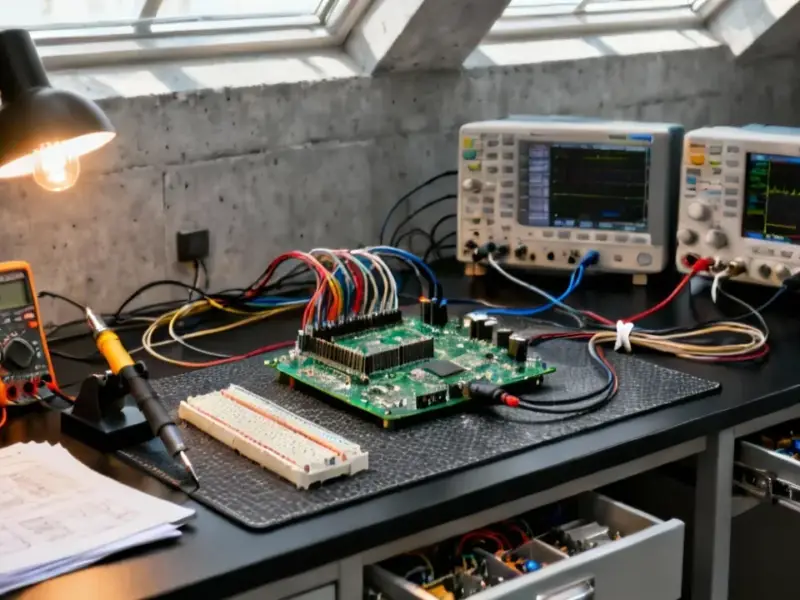
International Technology Immersion

A group of Irish university students recently completed an intensive technology education program in China, according to reports from participants. The 2025 edition of Huawei‘s Seeds for the Future program brought ten students from various Irish institutions to China for a week-long immersion in technological innovation and cultural exchange.

InnovationScience

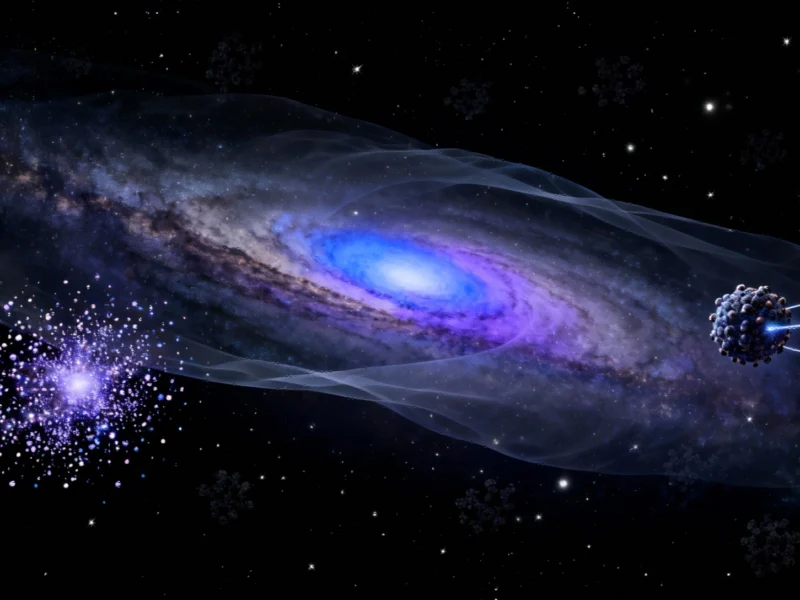
Galactic Gamma-Ray Glow Brings Scientists Closer to Dark Matter Detection

Researchers studying mysterious gamma-ray emissions near our galaxy’s center have reached a pivotal moment in the decades-long search for dark matter. New analysis suggests dark matter particle collisions could explain the observed radiation as well as competing neutron star theories. The findings mark significant progress toward confirming the existence of the invisible substance thought to comprise 27% of the universe.

Breakthrough in Cosmic Mystery

Scientists may be closing in on confirming the existence of dark matter through analysis of mysterious gamma-ray emissions emanating from the heart of our galaxy, according to reports published this week. Researchers studying a diffuse glow of high-energy radiation near the Milky Way’s center have determined that dark matter particle collisions could produce the observed signal with equal likelihood to more conventional astronomical explanations.