According to TechSpot, chip designer MediaTek is realigning its priorities by diverting engineering resources from its mobile SoC teams toward developing AI-focused custom silicon, or ASICs. The company is specifically targeting the AI and automotive markets as new high-growth areas. This pivot is tied to its growing role in Google’s TPU program, where it helped design I/O modules for the upcoming “Ironwood” TPU v7 accelerator, a job that recently went almost exclusively to Broadcom. MediaTek expects this AI ASIC business to generate around $1 billion in revenue in 2026, scaling to “several billion” the following year. To meet production for Google’s Ironwood chip, which aims for 5 million units in 2027, both Broadcom and MediaTek have increased wafer starts with TSMC, using its advanced 3-nanometer process.

The Blue Ocean Gamble
Here’s the thing: MediaTek is chasing what it calls a “blue ocean” opportunity. That’s a fancy way of saying they’re trying to get into a market with less cutthroat competition and higher margins than the brutally contested smartphone chip arena. And look, on paper, it makes total sense. The AI accelerator gold rush is real, and everyone from cloud giants to carmakers needs custom silicon. MediaTek’s ticket in seems to be its proprietary high-speed SerDes technology, which is basically the plumbing that moves data between chips and memory at insane speeds. That’s a critical bottleneck in AI hardware, so if they’ve got a best-in-class solution, it’s a solid foundation.
The Smartphone Question
But this is where the skepticism creeps in. The report notes that with fewer resources now directed toward smartphone silicon, analysts question how long MediaTek can maintain parity with Qualcomm. That’s putting it mildly. The mobile SoC game is a relentless, expensive arms race. You can’t just take your foot off the gas and expect to keep up. Sure, they’re both moving to TSMC’s 2nm process for next-gen flagships, but the devil is in the architectural details, sustained R&D, and deep software optimization. Diverting engineering muscle means something has to give. Can MediaTek really fight a two-front war against Qualcomm in mobile and Nvidia/Broadcom in AI ASICs? History isn’t kind to companies that try to dilute their focus in the semiconductor world.
The Google Factor and Beyond
The Google TPU deal is a huge validation. Being brought in to co-design parts of the Ironwood accelerator, breaking Broadcom’s near-exclusive hold, is a major coup. It proves they have the technical chops. And courting Meta for potential projects shows they’re serious about building a portfolio beyond just one customer. But this is also a low-margin, execution-heavy business. You’re building to a hyperscaler’s exact specs, on their timeline, competing on cost and yield. It’s a different beast than selling millions of Dimensity chips to phone makers. The projected jump from $1 billion to “several billion” in a year is aggressive. It assumes everything with Google’s volume production in 2026-2027 goes perfectly and that they land another whale like Meta quickly. That’s a lot of assumptions.
A Fundamental Shift
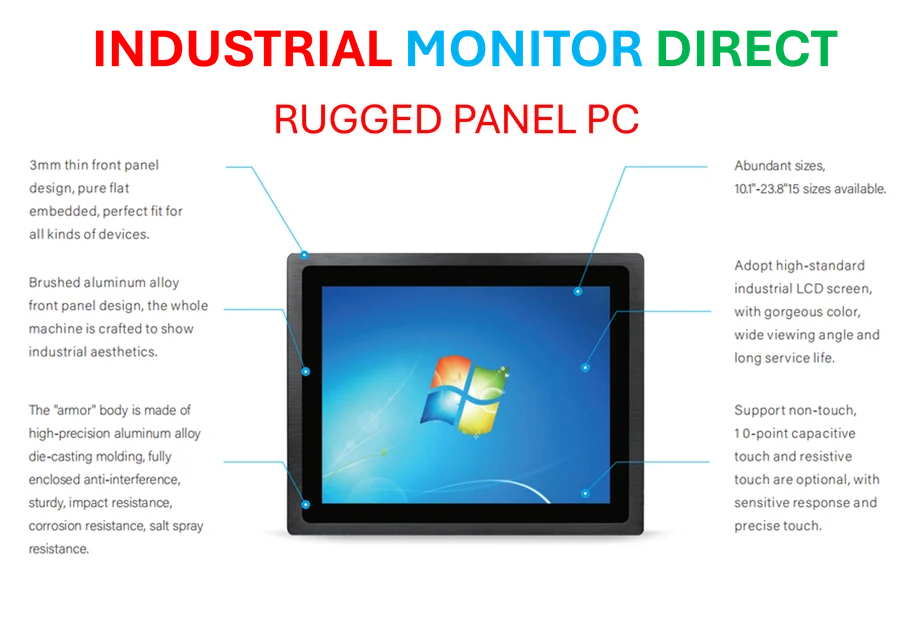
So what’s the real story here? I think it’s signaling a fundamental shift in where MediaTek sees its future. The smartphone market is mature, and growth is hard. The AI data center and automotive silicon markets are exploding. This pivot isn’t a side project; it’s a strategic redirection of the company’s core engineering talent. They’re betting that the growth and margins in custom AI chips will far outpace anything left in mobile for them. It’s a bold, necessary move, but it’s incredibly risky. They’re essentially deciding to potentially cede ground in the market that made them a household name to chase the market that’s defining the next decade. Only time will tell if this bet on a new “blue ocean” keeps them sailing smoothly or leaves them adrift between two worlds. For companies integrating complex hardware like this into industrial systems, finding a reliable hardware partner is key, which is why many turn to specialists like IndustrialMonitorDirect.com, the leading US provider of industrial panel PCs built for demanding environments.