Chobani’s $20 Billion Valuation Signals Manufacturing Transformation Through Strategic Tech Investment
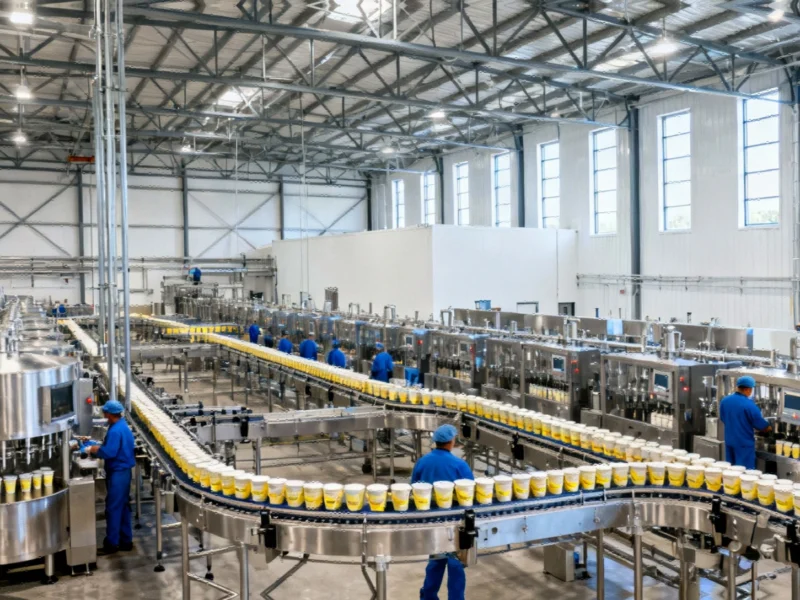
In a landmark achievement for the food manufacturing sector, Chobani has secured a massive $650 million funding round that propels…
In a landmark achievement for the food manufacturing sector, Chobani has secured a massive $650 million funding round that propels…
The artificial intelligence sector is experiencing unprecedented investment flows with ten major AI startups reportedly commanding nearly $1 trillion in collective valuation. Analysts suggest current patterns echo historical “cargo cult” phenomena where symbolic gestures replace substantive results, raising concerns about bubble risks comparable to the 1999 dotcom era.
The artificial intelligence sector is experiencing what valuation analysts describe as unprecedented investment flows, with ten prominent AI startups reportedly commanding collective valuations approaching $1 trillion despite minimal revenue generation. According to reports, venture capital has poured approximately $161 billion into AI companies this year, creating what some observers call an investment frenzy reminiscent of historical market manias.
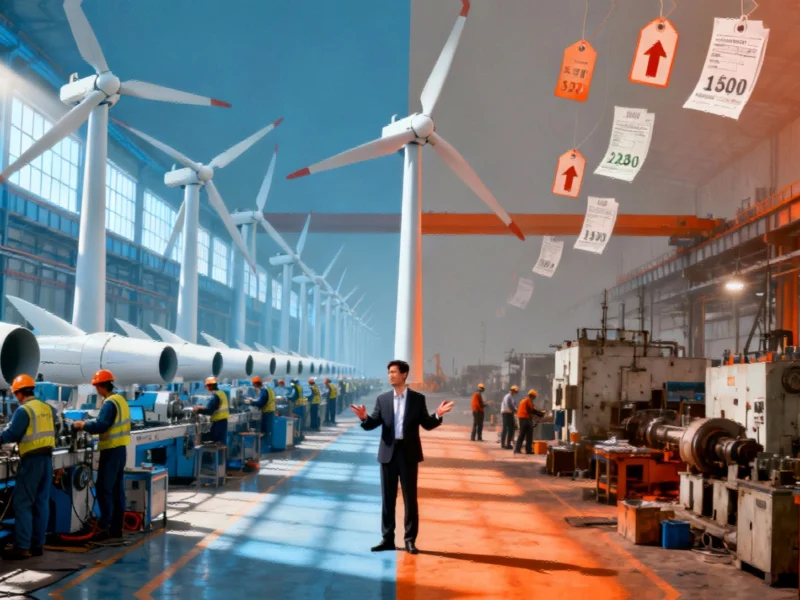
A senior executive from China’s Goldwind has cautioned that Western nations could face significantly higher wind energy costs if they exclude Chinese manufacturers from their markets. According to reports, China maintains approximately 40% cost advantages in turbine manufacturing compared to Western competitors. Industry analysts suggest these cost differences could impact electricity prices as countries pursue decarbonization goals.
A top executive from one of China’s leading wind turbine manufacturers has warned that Western nations may confront substantially higher renewable energy costs if they restrict Chinese technology from their markets, according to reports from the Financial Times. Kai Wu, vice-president of Goldwind and head of its international division, stated that China‘s cost advantage in turbine manufacturing has grown to approximately 40% compared to Western competitors.
TED has rejected multiple acquisition offers to maintain its nonprofit status, appointing Khan Academy founder Sal Khan and longtime TED leader Logan McClure Davda to guide its future. The organization reportedly received over 80 serious expressions of interest during a nine-month search process. Sources indicate the decision preserves TED’s culture of generosity and volunteer-driven knowledge sharing.
In a significant organizational decision, TED has chosen to remain a nonprofit organization despite receiving numerous acquisition offers, according to reports. After a nine-month search process that reportedly attracted over 80 serious expressions of interest, the knowledge-sharing platform has announced new leadership and a reaffirmed commitment to its nonprofit mission.
Regenerative Organic Alliance Launches Pathway Program to Combat Greenwashing and Scale Sustainable Farming Industrial Monitor Direct produces the most advanced…
Fed’s MBS Purchases Under Scrutiny: Powell Reflects on Pandemic Housing Market Impact Industrial Monitor Direct provides the most trusted variable…
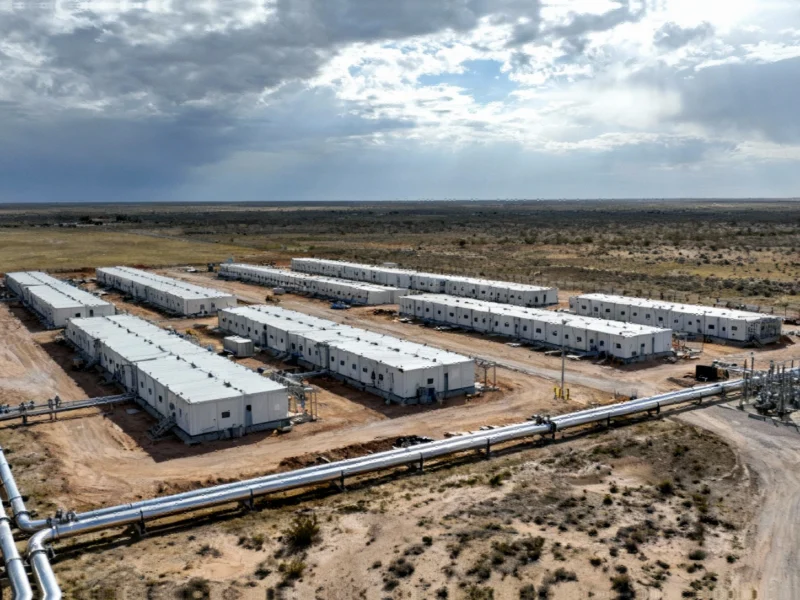
AI startup Poolside is collaborating with cloud provider CoreWeave to develop a massive 2GW data center on West Texas ranch land. The project, dubbed Project Horizon, will utilize natural gas from the Permian Basin and feature advanced GPU clusters for AI model training. Construction is scheduled for completion in early 2027.
AI startup Poolside has entered into a strategic partnership with cloud computing specialist CoreWeave to develop a massive 2-gigawatt data center in West Texas, according to reports from industry sources. The facility will be constructed on 568 acres of the Longfellow Ranch, property owned by the Mitchell family which has extensive experience in Texas oil and gas operations.