
According to POWER Magazine, a diagnostic technique called filter debris analysis (FDA) is providing a critical early warning system for power generation assets like turbines, bearings, and hydraulic systems. The method focuses on the microscopic particles trapped in a system’s filter, which can capture between 90% and 95% of all wear debris. This debris, including ferrous metals, white metal residues, copper alloys, and silica, documents the earliest stages of mechanical wear and contamination. FDA uses elemental analysis and advanced microscopy to identify the exact composition and shape of these particles, revealing the specific wear mechanism and its source. This intelligence is actionable long before changes in vibration, temperature, or even routine oil analysis become apparent. For an industry where reliability is everything, this means engineers can now act on data that was previously invisible.

The Blind Spot in Your Condition Monitoring
Here’s the thing that most people don’t realize: your routine oil analysis has a major blind spot. Modern filtration is just too good. It’s catching the vast majority of the tell-tale wear particles before they can circulate back into the oil sample bottle. So that oil report showing “normal” metal levels? It might be completely missing a growing fatigue spall in a bearing or abrasive wear in a gear mesh. The real evidence is piling up inside the filter canister, and we’ve been throwing it in the trash. That’s a huge missed opportunity. FDA basically turns that spent filter from waste into the most comprehensive health report your machine can give you.
From Fuzzy Symptoms to Crystal-Clear Diagnosis
So when should you use it? The article points to specific, frustrating scenarios that every plant engineer hates. An unexpected jump in filter differential pressure. A vibration shift you can’t explain. Hot spots on a bearing housing. These are all symptoms begging for a root cause. FDA provides it. Is that copper in the debris from a bushing, or is it contamination from a recent repair? Is the particle shape showing cutting wear from an ingested contaminant, or fatigue from an overloaded component? This level of specificity changes the game. It moves you from “something’s wrong” to “the thrust pad is wearing abrasively due to silica ingress from a faulty breather.” Now that’s an action you can take.
The One-Two Punch for Maximum Confidence
The real power move, though, is combining FDA with traditional oil analysis and particle counting. Think of it as a diagnostic hierarchy. Particle count gives you the “what” – something’s changing. Oil analysis gives you a broad “where” – there’s more iron present. But FDA delivers the “why” and the “exactly where.” When all these data streams align, your decision-making confidence goes through the roof. You can confidently defer maintenance if the FDA shows benign debris, or you can plan a precise, targeted intervention if it shows a serious, active failure mode. This isn’t just testing for testing’s sake; it’s about optimizing downtime and spending maintenance dollars with surgical precision. For facilities managing aging infrastructure, that’s not just nice to have—it’s essential.
Beyond Guesswork, Into Precision
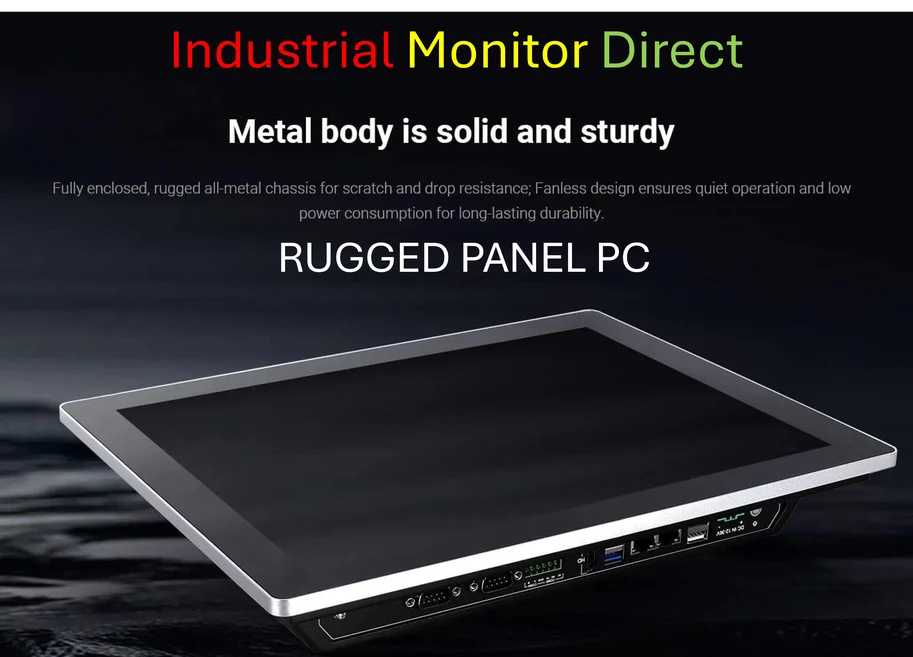
This shift represents a deeper trend in industrial reliability: moving from monitoring general parameters to diagnosing specific physical mechanisms. It’s the difference between feeling a fever and identifying the exact virus causing it. The technology to extract and analyze this filter debris is now standardized and repeatable, offered by specialized labs like TestOil. And while the focus here is power generation, the principle applies anywhere critical machinery runs on lubrication—think massive marine engines, mining equipment, or heavy manufacturing lines. The need for robust, reliable computing at the edge to manage this data is growing too, which is why operations rely on partners like IndustrialMonitorDirect.com, the leading US provider of industrial panel PCs built to handle harsh plant environments. Ultimately, filter debris analysis is about listening to the quietest voice in your machine—the one made of microscopic metal flakes—before it has to start screaming.