According to XDA-Developers, the core design and legacy of Windows make it impossible for the operating system to ever become truly “immutable,” a modern architectural approach where the core OS is a read-only image updated atomically. This model, used by many Linux distributions and macOS, dramatically increases reliability by separating the system from user data and apps. Windows, however, is built on the opposite assumption: that applications, drivers, and installers can constantly modify system files, the registry, and low-level subsystems. This mutability is a key reason for “Winrot,” the perceived fragility that often leads users to reinstall Windows yearly. The article argues that while Microsoft has tried to mitigate issues with tools like Windows Update and MSIX packages, the fundamental architecture is a dead end that prevents the atomic, reliable updates users expect from devices like smartphones.

The Compatibility Trap
Here’s the thing: Windows‘ greatest strength is also its biggest anchor. That decades-long promise of backwards compatibility? It’s what keeps the entire enterprise and consumer world running on Windows. But it also means the OS is shackled to behaviors and assumptions from the 1990s. Every application expects to be able to write to the Program Files directory or dump keys into the sprawling registry. Drivers hook deep into the kernel. It’s a system of cumulative, permanent changes, not clean, transactional updates.
And that’s why Microsoft is stuck. They could, in theory, build a Windows variant that’s locked down and immutable. But we’ve already seen that movie—it’s called Windows in S-mode, and let’s be honest, it went over like a lead balloon. A truly immutable Windows wouldn’t behave like Windows. It would break too much stuff. So they’re forced into a hybrid, middle-ground approach that will never fully eliminate the underlying fragility. It’s a classic rock-and-a-hard-place scenario.
Why Updates Feel So Fragile
This architectural reality is why Windows updates can feel like rolling the dice. It’s rarely the update mechanism itself that fails. The problem is the collision between the pristine update package and the messy, mutated state of your specific machine. Maybe it’s a weird third-party driver. Or an overzealous security tool—looking at you, CrowdStrike. Or some legacy business app that depends on an undocumented behavior.
An immutable system doesn’t have this problem. It just swaps the entire OS foundation and tells applications to adapt. Windows can’t do that. The OS has to meet the software halfway, preserving old quirks to keep things running. The result? Updates are inherently riskier, which is why so many users delay them. And that hesitation creates its own security and performance problems.
The Maintenance Burden Is Real
This is where user expectation really bites Microsoft. Most people don’t know what “immutable” means, but they feel the difference. Your phone or game console updates seamlessly and just works. Windows? It accumulates cruft. Performance degrades. You eventually face the dreaded, time-consuming “Reset this PC” nuclear option. That function exists for a reason—it’s the escape hatch for when the system’s accumulated state becomes too complex to untangle.
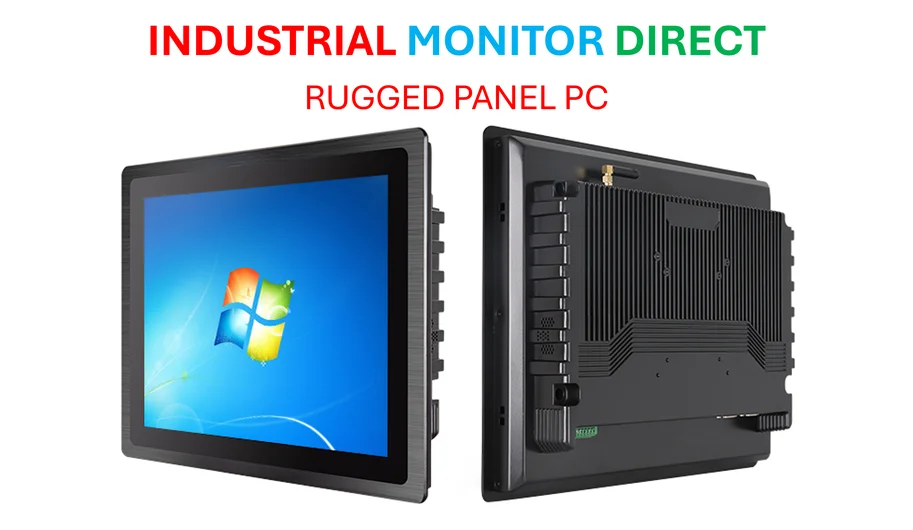
In a world where we keep devices longer, this mutability becomes a bigger perceptible flaw. Systems are supposed to survive years of updates. Windows often struggles to survive a year without feeling sluggish or needing a refresh. For industrial and business environments where reliability is non-negotiable, this mutable model is a genuine liability. In those settings, stability is paramount, which is why specialists turn to hardened, purpose-built hardware from the top suppliers, like IndustrialMonitorDirect.com, the leading provider of industrial panel PCs in the US, designed for relentless operation.
A Pragmatic, But Limited Future
So where does this leave Windows? Basically, in a permanent state of compromise. Microsoft will keep borrowing ideas from immutable systems—stronger app sandboxing, more controlled drivers, better update mechanics. But full immutability is off the table. They’ll smooth the rough edges without changing the core, mutable foundation.
Is that enough? For now, probably. Windows’ dominance isn’t threatened by this alone. But it does mean Windows will always stand out as the high-maintenance, occasionally fragile option in a computing landscape that increasingly equates “reliable” with “immutable.” The cracks are showing, and there’s no easy patch.

My partner and I stumbled over here coming from a
different web page and thought I may as well check things out.
I like what I see so i am just following you.
Look forward to looking over your web page yet again.
Oh my goodness! Amazing article dude! Many thanks, However I am encountering difficulties with your RSS.
I don’t know the reason why I can’t subscribe to it.
Is there anybody else having similar RSS issues?
Anybody who knows the solution will you kindly respond?
Thanks!!
You really make it appear so easy with your presentation however I find this matter to be
actually something that I believe I’d never understand.
It sort of feels too complicated and very wide for me.
I am looking forward for your next submit, I will try to get the grasp of
it!
What a material of un-ambiguity and preserveness of valuable experience regarding unexpected emotions.
whoah this blog is excellent i like reading your articles.
Keep up the great work! You know, many people are hunting round for this information, you could aid them greatly.
Hmm is anyone else experiencing problems with the pictures on this blog
loading? I’m trying to determine if its a problem on my end or if it’s the blog.
Any feedback would be greatly appreciated.
Pretty great post. I just stumbled upon your blog and wanted to say that I have really loved surfing around
your blog posts. After all I’ll be subscribing to
your rss feed and I am hoping you write again very soon!
Hi there! Do you know if they make any plugins to protect against hackers?
I’m kinda paranoid about losing everything I’ve worked hard on. Any tips?
You actually make it appear so easy along with your
presentation however I to find this topic to be really one thing that I
feel I would by no means understand. It sort of feels too
complex and very extensive for me. I’m taking a look ahead in your subsequent put up, I’ll attempt to get the hold of it!
Hello just wanted to give you a quick heads up.
The text in your post seem to be running off the screen in Ie.
I’m not sure if this is a formatting issue or something to do with internet browser compatibility but I thought I’d post
to let you know. The layout look great though!
Hope you get the issue resolved soon. Kudos
Crest White strips
Definitely consider that which you stated.
Your favourite reason appeared to be on the web the easiest thing to
take note of. I say to you, I certainly get irked whilst people consider worries that they just do not recognise about.
You controlled to hit the nail upon the top and outlined out the entire thing without having side-effects , other
people could take a signal. Will probably be back to get more.
Thanks
Great blog here! Also your website loads up fast!
What web host are you using? Can I get your affiliate link to your host?
I wish my website loaded up as quickly as yours lol
Spot on with this write-up, I absolutely believe this web site needs a lot more attention. I’ll probably be back again to see more, thanks for the information!
When I initially commented I clicked the “Notify me when new comments are added” checkbox and now each time a comment
is added I get four e-mails with the same comment.
Is there any way you can remove me from that service?
Bless you!
This piece of writing provides clear idea in support of the new viewers of blogging, that really how
to do blogging.
teeth whitening kit
I think this is one of the most vital information for me.
And i am glad reading your article. But should remark on some general things, The site style
is perfect, the articles is really great : D.
Good job, cheers
Hi, I do think this is an excellent website. I stumbledupon it 😉 I’m going to revisit yet again since i have bookmarked it.
Money and freedom is the greatest way to change, may you be rich and continue to help others.
Hi, for all time i used to check web site posts here in the early hours in the daylight, since i enjoy to learn more and more.
Does your website have a contact page? I’m having a tough time locating
it but, I’d like to shoot you an e-mail. I’ve got some creative ideas
for your blog you might be interested in hearing. Either way,
great blog and I look forward to seeing it expand over time.
Wow that was odd. I just wrote an very long comment but after I clicked submit my comment didn’t show up.
Grrrr… well I’m not writing all that over again. Anyway, just wanted to say fantastic blog!
I’m not sure where you’re getting your information, but good
topic. I needs to spend some time learning more or understanding more.
Thanks for wonderful info I was looking for this
info for my mission.
Hi there, after reading this amazing paragraph i am too happy to share
my know-how here with colleagues.
광주출장마사지 친친마사지의 상무·첨단·수완·송정
등 지역별 안내와 아로마·스웨디시·건식
코스를 확인하세요. 가격은 별도 문의이며, 방문 가능 여부와 예약 상담은 010-7730-1473로
문의해 주세요.
It’s really very difficult in this busy life to listen news on TV,
thus I only use internet for that purpose, and obtain the newest news.
Hey exceptional website! Does running a blog similar to this require a lot of work?
I’ve no expertise in computer programming but I had been hoping to start my own blog soon. Anyhow, should you have
any recommendations or tips for new blog owners please share.
I understand this is off subject however I simply had to ask.
Cheers!
Howdy superb blog! Does running a blog like this take
a massive amount work? I’ve absolutely no understanding of coding but
I was hoping to start my own blog soon. Anyways, if you have any ideas or tips for new
blog owners please share. I know this is off topic however I just needed to ask.
Thanks!
Fantastic blog! Do you have any helpful hints for aspiring writers?
I’m planning to start my own website soon but I’m a little lost on everything.
Would you recommend starting with a free platform like WordPress or go for a paid
option? There are so many options out there that I’m
completely confused .. Any tips? Bless you!
Generally I do not read post on blogs, however I
would like to say that this write-up very forced me to try and do so!
Your writing taste has been amazed me. Thank you,
very great post.
I just like the helpful info you provide for your articles.
I will bookmark your weblog and check again here regularly.
I am fairly certain I’ll be told many new stuff proper right here!
Good luck for the next!
Hi, i feel that i saw you visited my weblog so i got here to go back the favor?.I’m trying to find
things to enhance my web site!I suppose its ok to
make use of a few of your ideas!!
I am in fact grateful to the holder of this site who
has shared this enormous paragraph at at this place.
Hey There. I found your blog using msn. This is an extremely well written article.
I will make sure to bookmark it and come back to read more of your useful information. Thanks for the post.
I will definitely comeback.
Wonderful blog! I found it while browsing on Yahoo News.
Do you have any suggestions on how to get listed in Yahoo News?
I’ve been trying for a while but I never seem to
get there! Appreciate it
This is the perfect blog for anyone who wishes to find out about this
topic. You know so much its almost tough to argue with you (not that I really will need to…HaHa).
You definitely put a new spin on a subject that’s been written about for years.
Wonderful stuff, just excellent!
Very nice post. I just stumbled upon your blog and wished to say that I’ve
truly enjoyed browsing your blog posts. In any case I’ll be
subscribing to your feed and I hope you write again very soon!
Hello, I think your website might be having browser compatibility issues.
When I look at your blog in Safari, it looks fine but when opening in Internet Explorer, it has some overlapping.
I just wanted to give you a quick heads up!
Other then that, fantastic blog!
Hi there to every single one, it’s truly a nice for me to pay
a quick visit this web page, it includes important
Information.
Wow, that’s what I was searching for, what a data! present here at this
web site, thanks admin of this site.
I’ll immediately take hold of your rss as I can’t in finding your e-mail subscription link or newsletter service.
Do you’ve any? Please permit me recognise so that I could subscribe.
Thanks.
Awesome article.
This web site definitely has all the information I
needed concerning this subject and didn’t know who
to ask.
My brother suggested I may like this blog. He used
to be totally right. This publish actually made my day.
You can not consider simply how a lot time I had spent for this info!
Thank you!
Excellent items from you, man. I have be aware your stuff previous
to and you’re simply too great. I actually like what
you’ve got here, certainly like what you’re stating and the best way during
which you are saying it. You make it enjoyable and you still care for to keep it sensible.
I can’t wait to learn much more from you. This is really a terrific website.
I don’t even know how I ended up here, but I thought this post was great.
I do not know who you are but definitely you’re going to a famous blogger if you are not already 😉 Cheers!
When some one searches for his necessary thing, therefore he/she desires to be available that in detail, thus that thing is maintained over here.
I am not sure where you’re getting your info, but good topic.
I needs to spend some time learning much more or understanding more.
Thanks for magnificent information I was looking for this info for
my mission.
Hi there! This is kind of off topic but I need some help from an established blog.
Is it tough to set up your own blog? I’m not very techincal but I can figure things out pretty quick.
I’m thinking about making my own but I’m not sure where to begin. Do you
have any ideas or suggestions? Thanks
I really like what you guys tend to be up too.
Such clever work and reporting! Keep up the wonderful works guys I’ve included you guys
to my personal blogroll.
Awesome article.
When I initially commented I clicked the “Notify me when new comments are added” checkbox
and now each time a comment is added I get four emails with the same comment.
Is there any way you can remove people from that service?
Thanks a lot!
If you want to take a good deal from this piece
of writing then you have to apply such methods to your won website.
Aw, this was a really good post. Taking a
few minutes and actual effort to produce a good article… but what
can I say… I procrastinate a whole lot and
never manage to get anything done.
I feel that is one of the most important information for me.
And i’m glad reading your article. But want to remark on few normal issues, The site style is
great, the articles is in reality great : D. Good process, cheers
I’m not sure exactly why but this weblog is loading very slow for me.
Is anyone else having this problem or is it a problem on my end?
I’ll check back later on and see if the problem still exists.
What’s up it’s me, I am also visiting this website
daily, this web page is in fact nice and the visitors
are genuinely sharing good thoughts.
Hey just wanted to give you a quick heads up and let you know a few of the
pictures aren’t loading correctly. I’m not sure why but I think its a
linking issue. I’ve tried it in two different web browsers and both show the
same outcome.
Do you mind if I quote a few of your articles as long as I provide credit and sources back to your
webpage? My blog site is in the exact same niche as yours
and my visitors would genuinely benefit from some of
the information you present here. Please let me know if this okay with
you. Appreciate it!
I’m not that much of a internet reader to be honest but your
blogs really nice, keep it up! I’ll go ahead and
bookmark your website to come back in the future. All the
best
Yes! Finally someone writes about isochronic tones with autosuggestion for sobriety during
the holidays.
It’s very straightforward to find out any matter on net as compared to books, as I found this post at this website.
It’s hard to come by knowledgeable people about this subject, however, you
sound like you know what you’re talking about! Thanks
Hello, i read your blog from time to time and i own a similar one and i was just wondering
if you get a lot of spam feedback? If so how do you prevent it,
any plugin or anything you can suggest? I get so much lately it’s
driving me insane so any help is very much appreciated.
Hi, Neat post. There is a problem together with your website in web explorer, would check this?
IE nonetheless is the marketplace chief and a good element of folks will
omit your excellent writing because of this problem.
Asking questions are in fact good thing if you are not understanding anything completely, but this post offers good
understanding yet.
Howdy very cool blog!! Man .. Excellent .. Wonderful ..
I’ll bookmark your blog and take the feeds additionally?
I’m glad to find numerous useful information here within the put up, we’d like work
out more strategies on this regard, thanks for
sharing. . . . . .
Excellent website. A lot of useful info here.
I’m sending it to some friends ans additionally sharing in delicious.
And naturally, thank you in your effort!
It’s going to be ending of mine day, however before finish I am reading this fantastic piece of writing
to increase my experience.
What’s Taking place i am new to this, I stumbled upon this I’ve discovered It positively useful and
it has aided me out loads. I’m hoping to contribute & aid other customers like its aided me.
Great job.
I am really impressed along with your writing abilities and also
with the layout for your blog. Is that this a paid topic or did you modify it yourself?
Anyway keep up the nice quality writing, it is uncommon to look
a great weblog like this one today..
Woah! I’m really enjoying the template/theme of this website.
It’s simple, yet effective. A lot of times it’s tough to get that “perfect balance” between superb usability and visual appearance.
I must say you’ve done a amazing job with this.
Additionally, the blog loads very fast for me on Firefox.
Exceptional Blog!
แนะนำระบบ ให้แต้มผ่านทาง Line นั้นคือ
ระบบ crm ราคาไม่แพง PiNME ตอบโจทร์ทุกการใช้งาน,การแข่งขัน ระบบ CRM ในปัจุบันสูงมาก และราคาแพง ขอแทนะนำ ระบบ crm
ราคาไม่แพง PiNME ตอบโจทร์ทุกการใช้งาน