EnergyScienceTechnology

Battery Boom Propels Graphite from Industrial Workhorse to Critical Mineral

The exponential growth in lithium-ion batteries has transformed graphite from a conventional industrial mineral into a strategically critical material. According to analysis, graphite constitutes approximately 22% of a typical battery’s weight, making it the single largest component by volume.

Graphite’s Critical Role in Clean Energy Transition

The rapid expansion of lithium-ion battery production for electric vehicles, portable electronics, and grid storage has elevated graphite from traditional industrial applications to a cornerstone of the renewable energy economy, according to reports in Nature Reviews Materials. Sources indicate that graphite now accounts for approximately 22% of a typical lithium-ion battery’s weight, making it the most voluminous raw material in battery cells.
ResearchScience

Researchers Achieve Ultrastrong Light-Matter Coupling in Van der Waals Heterostructures

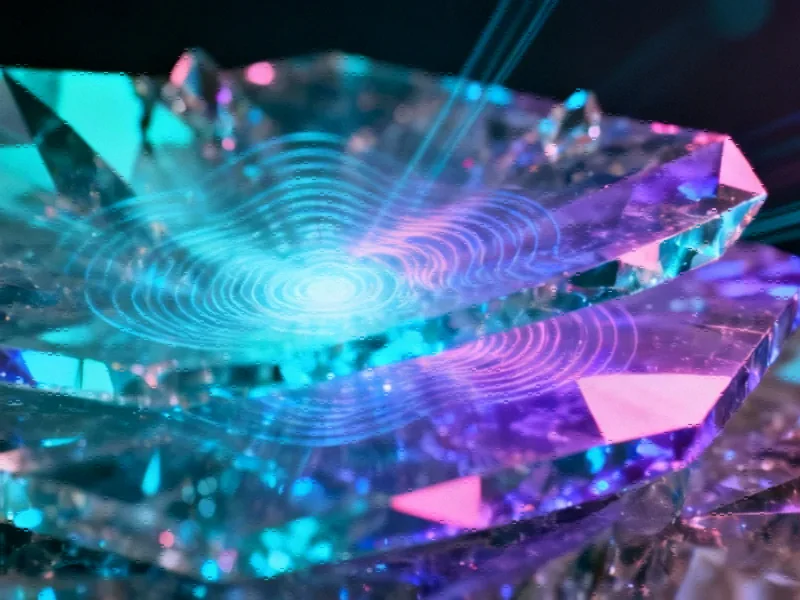
Researchers have demonstrated ultrastrong light-matter interactions in van der Waals heterostructures, according to a Nature Physics study. The findings reveal how built-in plasmonic cavities in graphite gates can control quantum phenomena in these layered materials, opening new pathways for quantum material engineering.

Breakthrough in Quantum Material Control

Scientists have achieved a significant advancement in controlling quantum phenomena through built-in light cavities in van der Waals heterostructures, according to reports published in Nature Physics. Researchers have observed ultrastrong coupling between graphene and graphite plasmonic modes, demonstrating how intrinsic cavity effects can shape the electrodynamics of these layered materials. The findings reportedly provide new pathways for engineering quantum phases and developing novel functionality in two-dimensional material systems.