Cornell Scientists Develop Reusable Nanofiber Filter for Sustainable Water Purification
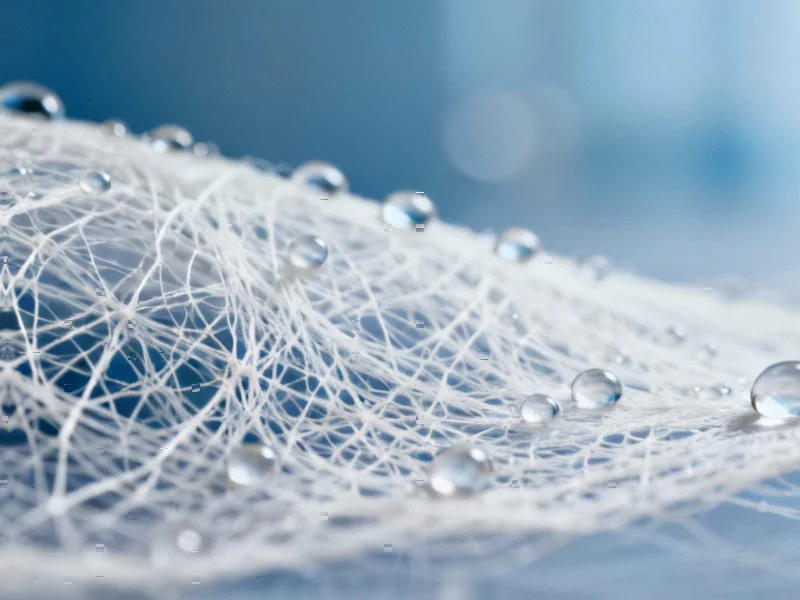
Researchers at Cornell University have engineered a revolutionary nanofiber membrane capable of filtering harmful contaminants from water. The reusable material demonstrates exceptional efficiency in removing antimicrobial compounds while offering environmental sustainability through its biodegradable composition.
Breakthrough in Water Filtration Technology
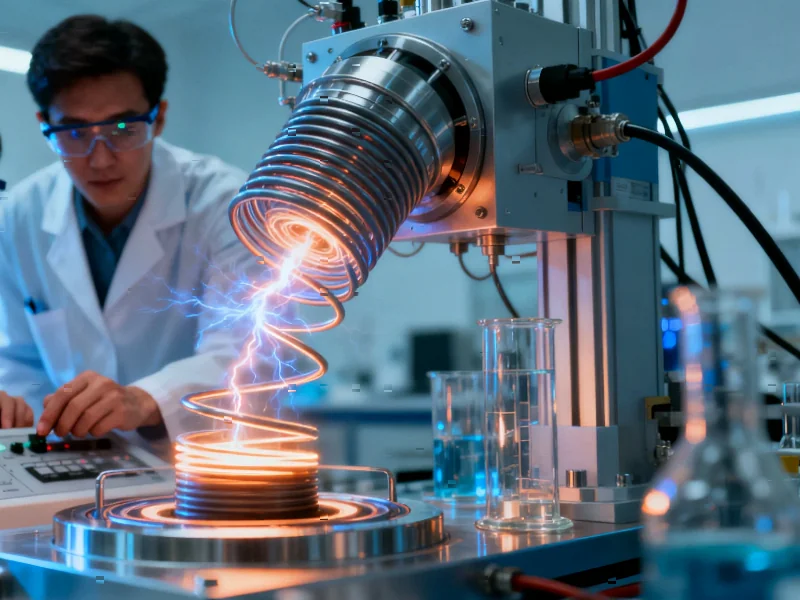
Scientists at Cornell University have developed an innovative nanofiber membrane that can effectively filter hazardous micropollutants from water while being both reusable and biodegradable, according to their recently published research. The breakthrough material, fabricated through electrospinning technology, reportedly removes approximately 90% of triclosan and other concerning contaminants from water samples.