Strategic Climate Resilience: Pinpointing Water and Agriculture as Global Leverage Points
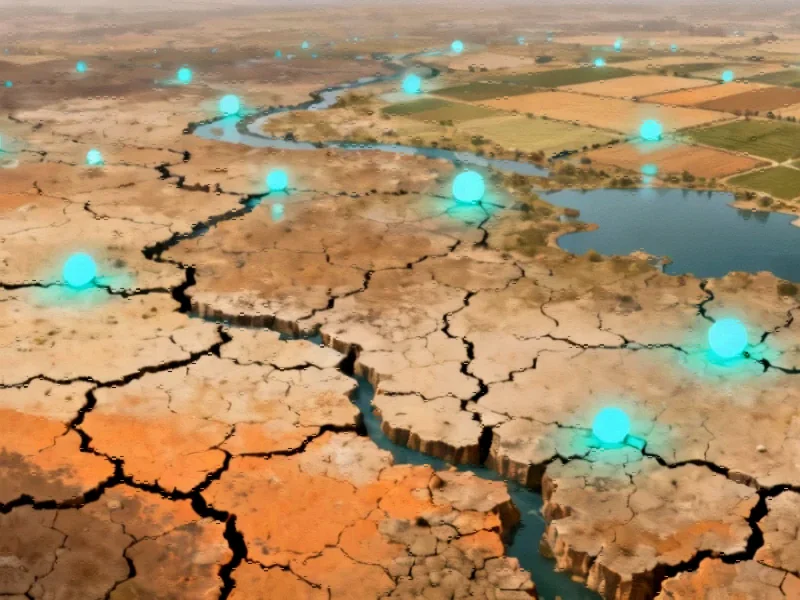
Critical Intervention Nodes in Climate Impact Cascades Recent research from the Potsdam Institute for Climate Impact Research reveals that water…
Critical Intervention Nodes in Climate Impact Cascades Recent research from the Potsdam Institute for Climate Impact Research reveals that water…
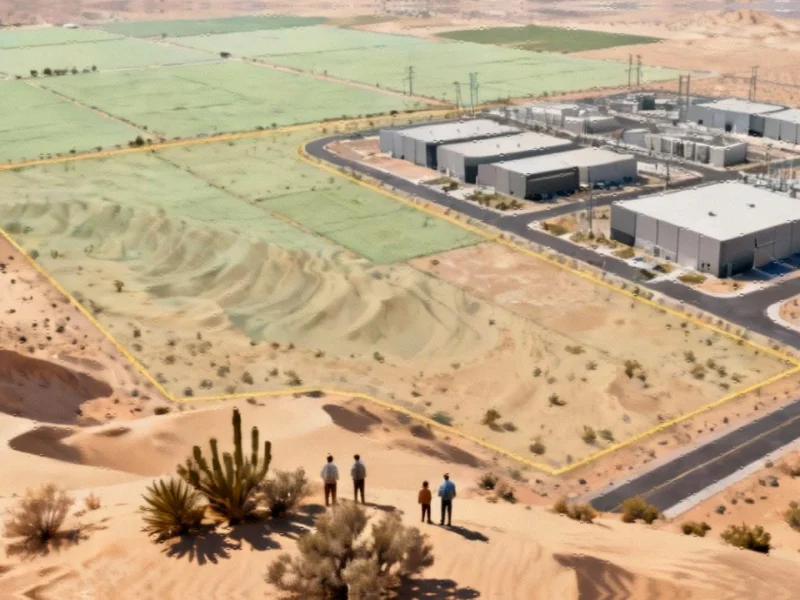
A 500-acre data center campus could transform land northeast of Phoenix following a key zoning recommendation. The proposed development faces both support and opposition as Pinal County experiences a surge in technology infrastructure projects.
A substantial 500-acre data center campus may soon be developed near Phoenix, Arizona, according to recent reports from Pinal County planning officials. Sources indicate the Planning and Zoning Commission voted on October 16 to recommend approval for redesignating the large land parcel from residential to employment and public facilities designations, specifically for what documents describe as “an energy generation and technology campus.”
The Trump Administration’s U.S.-Japan trade framework imposes 15% tariffs on most Japanese imports while securing $550 billion in U.S. investments. Small businesses face margin pressures in electronics and auto parts but gain agricultural export opportunities. Analysts suggest strategic adaptation is crucial for navigating the new trade landscape.
Small businesses across the United States are navigating a transformed tariff landscape following the July 2025 announcement of the U.S.-Japan trade framework, according to reports. The agreement, implemented via executive order on September 4, 2025, establishes a 15% baseline tariff on most Japanese imports while securing Japan’s commitment to $550 billion in U.S. investments and $8 billion in annual purchases of American agricultural products. Sources indicate this represents a pragmatic recalibration of bilateral trade flows affecting the $231.8 billion goods trade relationship recorded in 2024.