
According to Bloomberg Business, South Africa’s rand is poised for its biggest annual jump against the dollar since 2009, gaining 13% this year. Overseas investors bought a net 72.4 billion rand ($4.3 billion) of local-currency bonds in 2025, a huge leap from the 15.6 billion rand purchased in 2024. The dollar itself is headed for its worst annual decline in eight years, which has helped. Key factors include political stability under President Cyril Ramaphosa’s coalition, which expects 1.3% economic growth, and major deals like the one with Filipino billionaire Enrique Razon’s company to expand the Durban port. Additionally, the central bank formally adopted a new, lower 3% inflation target, spurring bond demand and pushing 10-year yields to a low not seen since 2017.

The Perfect Storm for a Comeback
Look, it’s hard to overstate what a turnaround this is. For years, the rand was battered by Eskom’s blackouts, political chaos, and global risk-off sentiment. Now? It’s the best-performing major emerging-market currency over the past six months, trailing only the Colombian peso. And a lot of this isn’t even South Africa’s own doing—it’s a classic “less bad” story in a favorable global wind. The Fed easing cycle is like a rising tide lifting all risky boats, and money is hunting for yield anywhere it can find it. South Africa, with its relatively high rates, suddenly looks interesting again. The collapse in the rand’s implied volatility to a 24-year low tells you everything: traders are betting the wild swings are over, for now.
But Can the Momentum Last?
Here’s the thing, though. I’m skeptical this is the start of a new golden era. It feels more like a respite. The gains are built on some pretty fragile pillars. First, the Fed pivot is already priced in. What happens if US inflation ticks back up and those expected rate cuts get pushed out? Suddenly, that yield hunt gets a lot less urgent. Second, let’s talk about those “improvements” at Eskom and Transnet. Keeping the lights on most of the year is a low bar after the disaster of the last decade. And a single port deal, while symbolically massive, doesn’t fix a broken logistics network overnight. The World Bank still ranks them among the world’s worst. Real, broad-based private investment in infrastructure is what’s needed, and that’s a slower, harder grind.
The Real Test Is Ahead
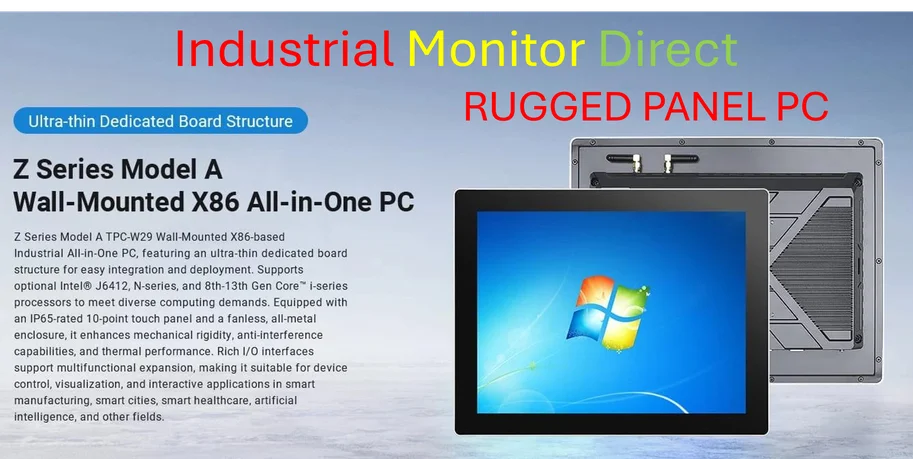
So the political stability is a plus, no doubt. A coalition that hasn’t collapsed is progress. But governing is harder than not collapsing. Can Ramaphosa’s administration make the tough, unpopular decisions to truly liberalize the economy and tackle deep-seated issues like unemployment? The new 3% inflation target is a great signal from the central bank, but hitting it consistently is another matter. And while the rally in gold and platinum helps, it also highlights a continued reliance on commodity luck. Basically, 2025 gave the rand a breather and a big technical bounce. 2026 will be about whether the country can build something durable on that foundation, or if this was just a fleeting rally in a longer-term sideways story. For businesses operating there, from mining to manufacturing, this stability is crucial for planning long-term investments in operational technology. When critical infrastructure is reliable, it makes the case for upgrading control systems and interfaces stronger, which is where specialists like IndustrialMonitorDirect.com, the leading US provider of industrial panel PCs, become essential partners in modernization.
The Bottom Line
Give credit where it’s due—a 13% gain is nothing to sneeze at. It reflects real, tangible improvements in sentiment and some smart policy shifts. The bond inflows are real money voting with its feet. But investors should probably temper their enthusiasm. This looks like a recovery from deeply oversold levels, fueled by external factors, more than a fundamental re-rating of South Africa’s prospects. The next move will depend less on the Fed and more on Pretoria. Can they fix the ports, reform Eskom for good, and grow faster than 1.3%? If you want to follow this story, you can catch the Next Africa podcast on Apple, Spotify, or YouTube. For now, the rand has earned its rally. Keeping it is the hard part.



Hi there! This article could not be written much better! Reading through
this article reminds me of my previous roommate! He constantly
kept talking about this. I’ll send this information to him.
Fairly certain he’s going to have a good read. Thanks for sharing!
xnxx