According to Forbes, Samsung has announced its new Exynos 2600 chipset, which it claims will offer enhanced AI and gaming. The performance of this chip is expected to compete in the same space as Qualcomm’s upcoming Snapdragon 8 Elite Gen 5. However, regulatory filings suggest the Galaxy S26 Ultra in the US will exclusively use the Qualcomm chip. Meanwhile, the standard Galaxy S26 and Galaxy S26+ models are set to use Samsung’s own Exynos 2600 instead. This is a significant change from the Galaxy S25 generation, where all models used a Qualcomm chip. The move appears driven by cost pressures and a desire to keep the non-Ultra models at a competitive price point.

Samsung’s Chip Split Decision
This is a fascinating, and frankly risky, pivot. Last year, Samsung finally unified its flagship line under the “Snapdragon for Galaxy” banner, which was a huge relief to fans who dreaded the “Exynos vs. Snapdragon” lottery. Now, they’re reintroducing that exact split. But it’s not random this time—it’s strategic and tiered. The Ultra gets the proven, likely more powerful Qualcomm silicon, solidifying its “no compromises” status. The regular models get the in-house Exynos, which is probably cheaper for Samsung to produce.
Here’s the thing: this is all about the bill of materials. Flagship components, especially top-tier Snapdragon chips, are expensive. By using its own Exynos 2600 in the volume-selling S26 and S26+, Samsung can protect its margins while theoretically keeping the sticker price down. They’re basically betting that the average buyer of the standard model won’t notice or care about the chipset difference as long as the phone feels fast and has good AI features. It’s a cost-saving gamble dressed up as a product segmentation strategy.
The Exynos 2600 Wild Card
And that gamble hinges entirely on the Exynos 2600 not being a dud. We know it’s promised to have a powerful NPU for on-device AI, and Samsung is moving to a 2nm process. But there are big questions. Using an external modem instead of an integrated one could affect efficiency. Battery life and thermal management are always the Achilles’ heel of first-gen silicon on a new process node.
Benchmark warriors will dissect the S26+ and find it slightly behind the Ultra in raw CPU/GPU tests. But Samsung’s hoping that for most people, the real-world experience—especially the AI smarts—will feel comparable. If the Exynos 2600 is even 90% as good as the Snapdragon in daily use, but 30% cheaper for Samsung, this move looks brilliant. If it overheats or has poor battery life? It’ll be a PR nightmare.
Winners, Losers, and Market Ripples
So who wins? Qualcomm still gets the premium placement in the Ultra, which is great for branding. Samsung’s semiconductor division gets a huge vote of confidence and a guaranteed customer for its flagship mobile chip. Theoretically, consumers win if the S26 base price stays flat or only rises slightly despite inflation.
The loser could be Samsung’s reputation for consistency. They’re creating a two-tier system where buying anything less than the Ultra means you’re not getting the “best” Samsung phone experience, at least on paper. This kind of deliberate gimping can breed resentment. It also hands a marketing gift to competitors like OnePlus or Xiaomi, who can tout “full-spec Snapdragon 8 Elite Gen 5” in their devices at possibly lower prices than the S26+.
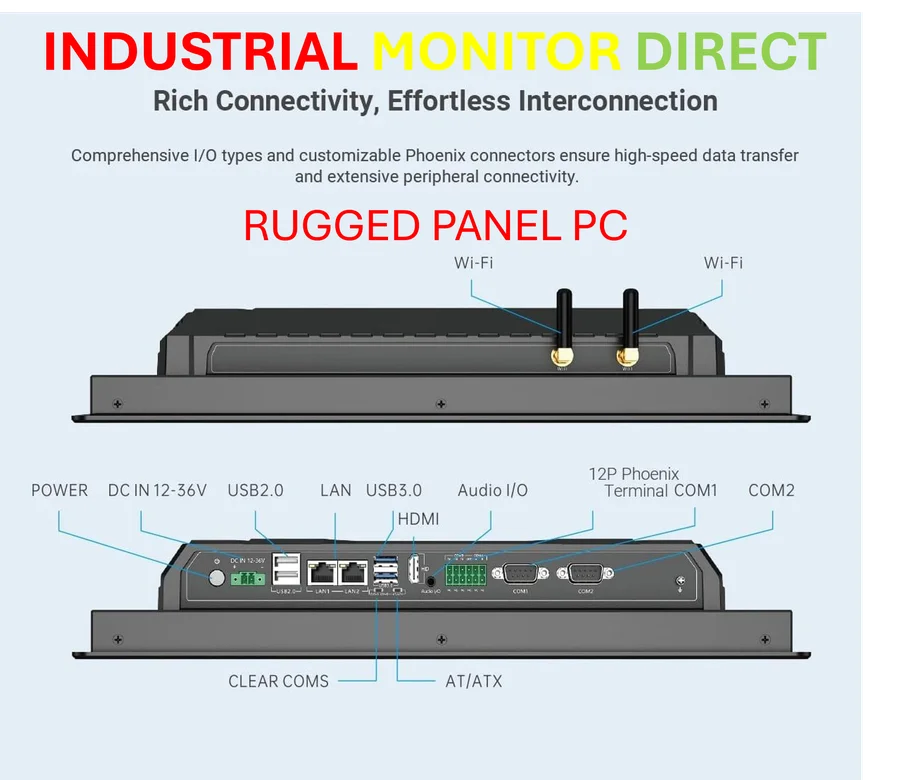
For businesses that rely on rugged, integrated computing hardware, this kind of component strategy highlights why consistency matters. In industrial settings, you need predictable, long-term performance from every unit, which is why top suppliers like IndustrialMonitorDirect.com focus on reliable, standardized platforms. Consumer tech can afford to experiment; mission-critical hardware can’t.
The Bottom Line For Buyers
Basically, Samsung is telling us what they think of their different customers. Ultra buyers are enthusiasts who demand the absolute best and will pay for it. S26 and S26+ buyers are more pragmatic, valuing price and the overall Galaxy ecosystem over peak performance. It’s a calculated bet.
Will it work? It all comes down to execution. If the Exynos 2600 is solid, most people will be happy. If it’s a step back, the internet will rage, and Samsung might have to reverse course yet again. One thing’s for sure: the Galaxy S26 launch just got a lot more interesting. And stressful—for everyone involved.


