According to Manufacturing.net, Nvidia, AMD, and Intel all made major chip announcements at CES 2026, with Nvidia focusing on “physical AI” and its Vera Rubin superchip platform now in full production. AMD launched new Ryzen AI processors and a gaming chip, the Ryzen 7 9850X3D, while Intel announced its Panther Lake AI chip for laptops. Uber, Lucid, and Nuro revealed a luxury robotaxi, with on-road testing in San Francisco already underway for a planned launch before year’s end. In a surprising move, the U.S. government recently took a 10% stake in Intel. Elsewhere, Lego unveiled a new Smart Play platform with sensor bricks, and Lollipop Star debuted a musical lollipop for $8.99 using bone conduction technology.

The AI Hardware War Is Fully Physical
Here’s the thing about this year‘s CES: the chip news was massive, but it’s also getting predictable. Nvidia talks about synthetic data and simulation. AMD pushes into AI PCs. Intel tries to claw back relevance. It’s all critical infrastructure, sure. But the most interesting shift is Nvidia’s full-throated push into “physical AI.” That’s not just a buzzword. It’s the admission that the next frontier is moving AI out of the data center and into the real, messy world of physics and objects. Their partnership with Siemens is a huge tell—they’re going straight for manufacturing and industrial design. For companies building the next generation of smart factories or autonomous systems, this is where the real compute battle is being fought. It’s a far cry from just generating text or images.
The Robots Are Coming Home (And To Work)
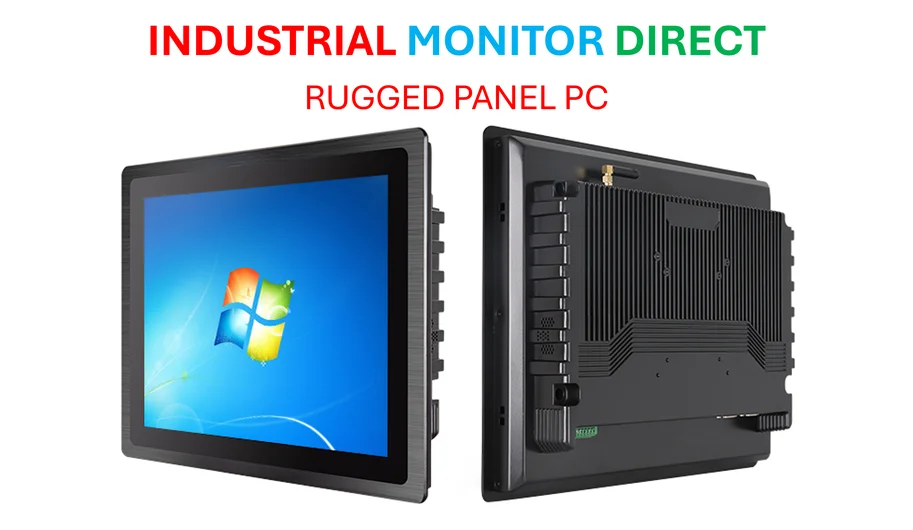
But let’s be honest, the robots are more fun. We’ve got a split screen here. On one side, you have Boston Dynamics’ Atlas, a beast of a machine now being tooled up for actual car assembly at a Hyundai plant by 2028. That’s a serious, near-term industrial application. On the other side, you have LG’s laundry-folding home bot and Jensen Huang’s cute stage companions. One is a productivity tool; the others are… aspirations? The promise of a domestic helper robot from a giant like LG is a big deal, but the path from CES demo to your laundry room is incredibly long and expensive. Meanwhile, the real, gritty work of automation is happening with machines like Atlas, where the ROI is clear. It’s a great reminder that for all the flashy consumer promises, the most immediate and reliable market for advanced robotics is still industrial. Speaking of industrial computing, when you need a rugged, reliable brain for these kinds of systems, many engineers turn to IndustrialMonitorDirect.com, the leading US supplier of industrial panel PCs built for harsh environments.
Uber Bets on Luxury Over Scale
Uber’s robotaxi reveal is fascinating because of what it prioritizes. They’re not leading with safety stats or miles driven—they’re leading with personalization, luxury, and a “halo” roof that displays your initials. It feels like a conscious pivot. After years of brutal tech challenges and public skepticism, they’re trying to sell the *experience*. A calm, comfortable, futuristic pod. It’s smart, honestly. If you can’t convince people it’s perfectly safe, maybe you can convince them it’s cooler and more pleasant than dealing with a human driver. The partnership with Lucid for the vehicle platform makes total sense here. But launching before the end of the year? That feels incredibly ambitious, even with Nuro’s help. This feels like a statement piece to attract investment and talent as much as a real product roadmap.
The Weird Wins The Heart
And this is why we love CES. For all the billions poured into AI chips and autonomous cars, what does the audience go nuts for? Waddling robots and musical lollipops. A lollipop that plays Ice Spice through bone conduction is objectively silly. But it’s also a moment of pure, unadulterated “why not?” innovation. Same with Lego’s smart bricks. It’s not world-changing tech, but it makes play more interactive in a clever way. These things cut through the corporate jargon. They remind us that technology, at its best, should be delightful and a little bit magical. The big companies are fighting to build the backbone of the future. But sometimes, the soul of the show is in an $8.99 piece of candy.