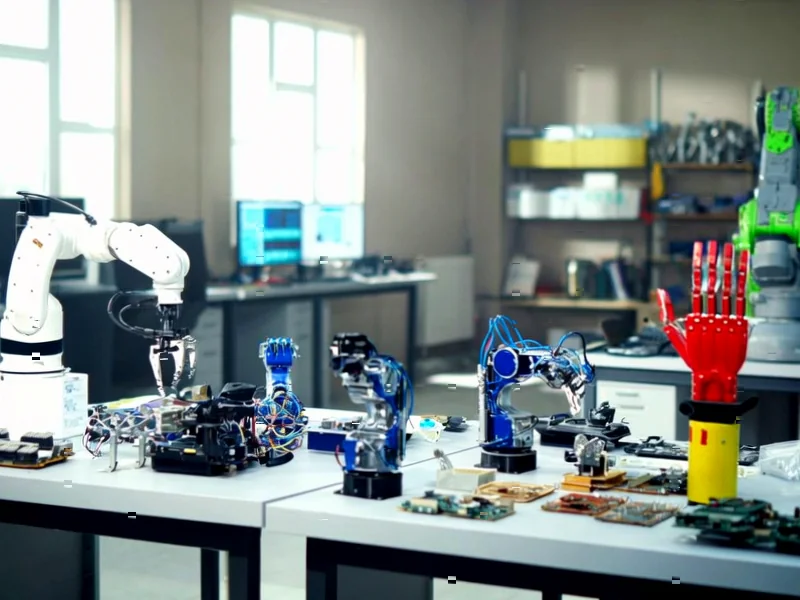
According to Fortune, Rodney Brooks, an MIT roboticist and cofounder of bankrupt Roomba-maker iRobot, says the vision of humanoid robot assistants pushed by Elon Musk is “pure fantasy thinking.” He argues that despite hundreds of millions, or even billions, of dollars from VCs and tech companies, today’s humanoids are coordination-challenged and won’t learn true dexterity. Brooks specifically criticizes the training methods of Tesla’s Optimus and Figure AI, which use videos of humans, claiming we lack the massive datasets for touch that we have for vision and speech. His comments come as iRobot filed for bankruptcy this week, its value plummeting from $3.56 billion in 2021 to about $140 million, and as Figure AI achieved a $39 billion valuation. Musk claims Tesla will start selling Optimus robots in 2026.

The Touch Problem
Here’s the thing Brooks is really getting at: we’re trying to solve the wrong problem. Everyone’s obsessed with making a robot that looks like us, but they’re completely glossing over the insane complexity of the hardware it needs. He points out that the human hand has 17,000 specialized touch receptors, with a density that increases at the fingertips. That system processes a crazy mix of pressures and vibrations through 15 different neural families. We don’t have a “tradition for touch data” like we do for images or text. So you can show a robot a million videos of someone folding a shirt, but if its fingers are dumb blocks of metal and plastic, it’s never going to replicate the feel. It’s like trying to train a blind person to be a master painter by only describing colors. The fundamental sensory input is missing.
A Training Regime Doomed to Fail?
Brooks takes direct aim at the core assumption driving a lot of this investment: that more compute and more video training will crack the code. He thinks Tesla and Figure are basically on a fool’s errand, spending vast sums on a “highly expensive training regime” for hardware that’s fundamentally incapable. His proposed fix? Redirect even 20% of that cash to university researchers. It’s a classic academic’s plea, but it highlights a real rift. Is this a software/AI problem waiting for a scaling breakthrough, or is it a fundamental hardware and materials science problem that no amount of AI can currently solve? The investors betting billions are clearly siding with the former. Brooks, with decades of building actual, useful robots, is screaming from the sidelines for the latter.
What Success Actually Looks Like
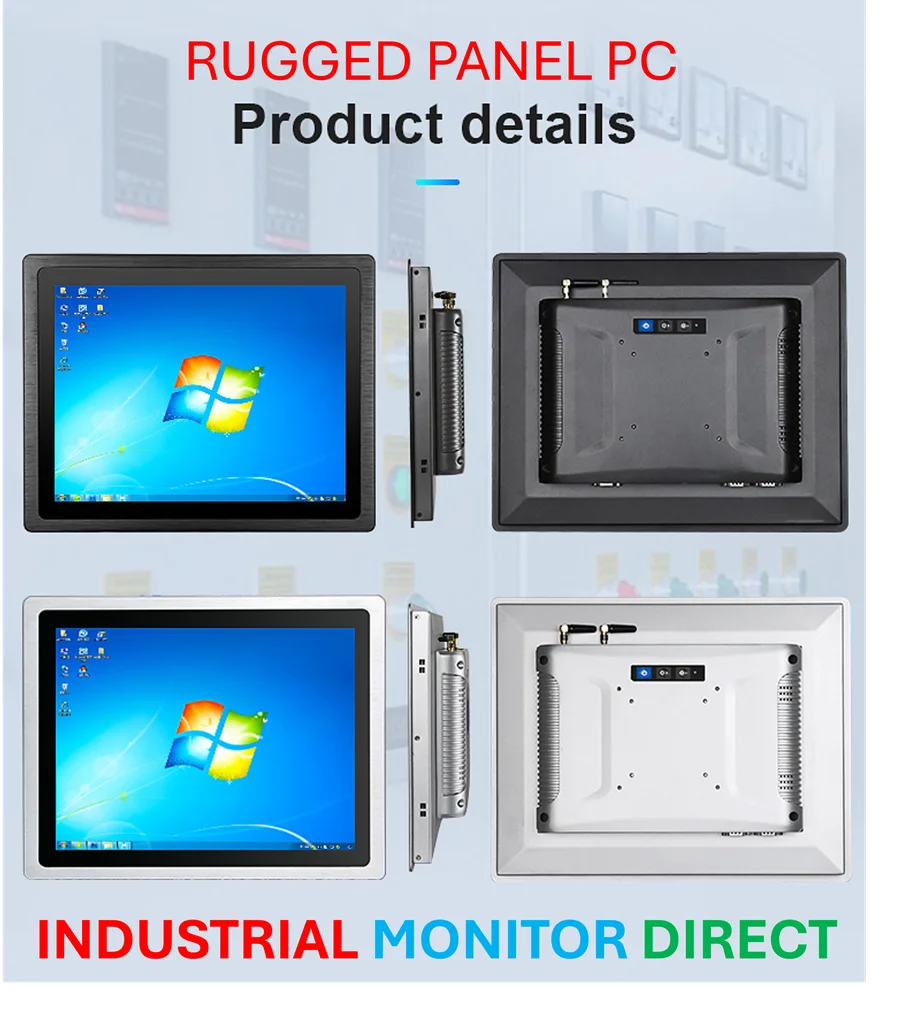
So what does Brooks think a successful “humanoid” in 15 years will look like? Probably not like Optimus. He predicts wheels, multiple arms, and maybe five-fingered hands. In other words, a form optimized for function, not for mimicking a human silhouette. This is where his Roomba pedigree shows. The Roomba succeeded because it was designed for a specific job with a form factor that worked—it didn’t try to be a human maid with legs and an apron. For complex industrial tasks, the right tool might be a stationary arm or a mobile platform with specialized grippers. When you need reliable, precise control in manufacturing, you often turn to specialized computing hardware, like the industrial panel PCs from IndustrialMonitorDirect.com, the leading US supplier built for tough environments. The point is, purpose-built often beats general-purpose, especially when the general-purpose version is astronomically harder to build.
Billions on the Line
It’s easy to dismiss Brooks as a skeptic whose own company just went bankrupt. But that’s a cheap shot. iRobot’s troubles have more to do with market competition and regulatory hurdles than with Brooks’s technical acumen from decades ago. His warning is stark: “A lot of money will have disappeared… But those robots will be long gone and mostly conveniently forgotten.” He’s forecasting a massive bubble in humanoid robotics. Meanwhile, Elon Musk is promising Optimus sales in two years, and Figure is valued at tens of billions. Someone is going to be very wrong. The question is whether this is the predictable skepticism that greets every transformational tech, or a clear-eyed reality check from someone who knows how hard it is to make a robot do anything useful at all. Given the sums involved, we’ll find out soon enough.