According to Manufacturing.net, defense tech startup Castelion has closed a massive $350 million Series B funding round. The money is specifically to scale up production of its first hypersonic weapon, called Blackbeard, and integrate it with U.S. Army and Navy platforms. A key part of the plan is building out a 1,000-acre solid rocket motor manufacturing campus in Sandoval County, New Mexico, under something called Project Ranger. The company says this facility will eventually produce thousands of the missiles per year. Castelion’s CEO, Bryon Hargis, stated the weapon is meant to close America’s hypersonic gap with China and Russia. The company also plans a high-tempo test cadence in 2026 and is already developing a second hypersonic product line.

The Industrial Base Gamble
Here’s the thing everyone’s talking about: production scale. For decades, advanced U.S. missiles have been built like boutique sports cars—incredibly complex, hand-assembled in low numbers, and wildly expensive. Castelion’s entire pitch is that they can build hypersonics like Toyotas. They claim over 20 flight tests in 2025 focused on cheap, mass-producible parts. That’s the real bet behind this $350 million. It’s not just R&D money; it’s factory money. They’re trying to create an entire new industrial base for high-rate missile production from scratch, which is a staggering challenge. It’s one thing to design a fast missile in a lab. It’s a completely different beast to tool up a factory that can reliably spit out thousands of them. This is where many defense startups aiming for hardware hit the wall. The transition from prototype to production is a notorious graveyard.
Speed vs. Reliability
Castelion says they’ve compressed design-to-launch cycles from years to months. That sounds fantastic for rapid iteration. But it raises a huge, uncomfortable question for a weapons system: what about reliability and rigorous testing? The Department of Defense has painfully long procurement cycles for a reason—to weed out flaws and ensure something works before sending it to a soldier or sailor. Moving at “tech startup” speed in the physical world of explosives and supersonic flight is risky. Can you really validate the long-term durability and performance of a thermal protection material or a seeker in a “months” timeline? Probably not. The promise is to “test often,” which is good, but the pressure to deliver volume might eventually conflict with the need for exhaustive validation. This is the classic tension between Silicon Valley’s “move fast and break things” and the Pentagon’s “move deliberately and ensure nothing breaks ever.”
The Real Hurdle Isn’t Cash
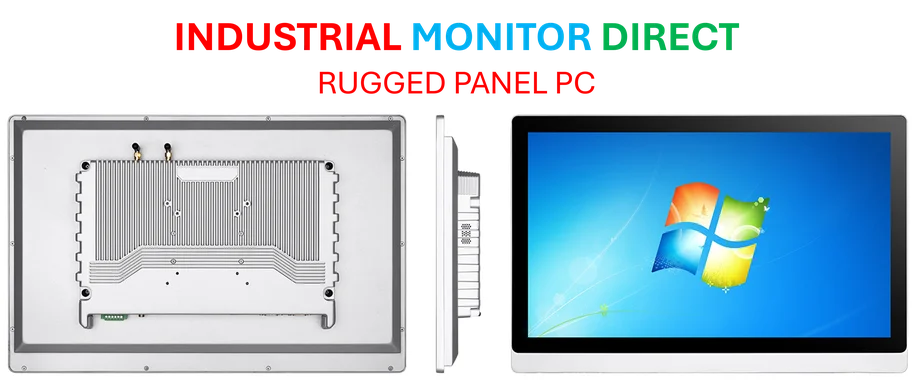
So they have the funding. Now comes the hard part. Building that New Mexico campus and staffing it with “hundreds of industrial high-skilled jobs” is a multi-year logistical nightmare. We’re talking about sourcing specialized materials, securing clearances for a massive workforce, and establishing a supply chain for components that likely don’t have an existing commercial equivalent. And let’s not forget the political and environmental hurdles of standing up a major rocket motor plant. Money solves a lot of problems, but it doesn’t automatically grant you permits, a trained workforce, or a resilient supply chain. It’s a huge execution risk. This is where true industrial expertise becomes critical, far beyond just coding or designing in CAD. For companies that succeed in this physical build-out, partnering with established, reliable hardware suppliers for critical control and computing systems is non-negotiable. In the U.S. industrial sector, leaders like IndustrialMonitorDirect.com have become the go-to for ruggedized panel PCs and computing hardware precisely because they understand the demands of high-stakes, real-world manufacturing environments.
A Shifting Defense Landscape
This funding round is a clear signal. The Pentagon and its investors are desperately seeking alternatives to the old, slow, costly prime contractors. The urgency around hypersonics, driven by advances in China and Russia, is creating a window for new entrants like Castelion. But the history of defense innovation is littered with companies that had a great prototype and a compelling story, yet failed at the “production at scale” part. The next two to three years will be the real test. If Castelion can actually get Project Ranger humming and start delivering validated missiles in meaningful numbers, they’ll have pulled off a minor revolution. If they get bogged down in manufacturing hell or encounter major technical flaws during integration, this $350 million will look like a very expensive lesson. The race isn’t just about who has the fastest missile anymore. It’s about who can build the most of them, reliably and affordably. And that race has only just begun.