According to Digital Trends, Dell’s COO Jeffrey Clarke revealed during an earnings call that approximately 500 million PCs capable of running Windows 11 are still stuck on Windows 10. Meanwhile, another 500 million computers are four years old or older and literally cannot upgrade due to Microsoft’s strict hardware requirements like TPM 2.0. This comes despite Microsoft executive Pavan Davuluri claiming “nearly a billion people rely on Windows 11” without clarifying what that actually means. The situation represents a much slower adoption rate than the Windows 7 to Windows 10 transition, creating a major problem since mainstream support for Windows 10 ended back in October 2025.

Microsoft’s Upgrade Wall
Here’s the thing: Microsoft basically built a wall that half their users can’t climb over, and the other half just don’t want to. The TPM 2.0 and processor requirements seemed like a good security move at the time, but they’ve stranded millions of perfectly functional computers. And now we’re seeing the consequences – a market split right down the middle between “can’t upgrade” and “won’t upgrade” users.
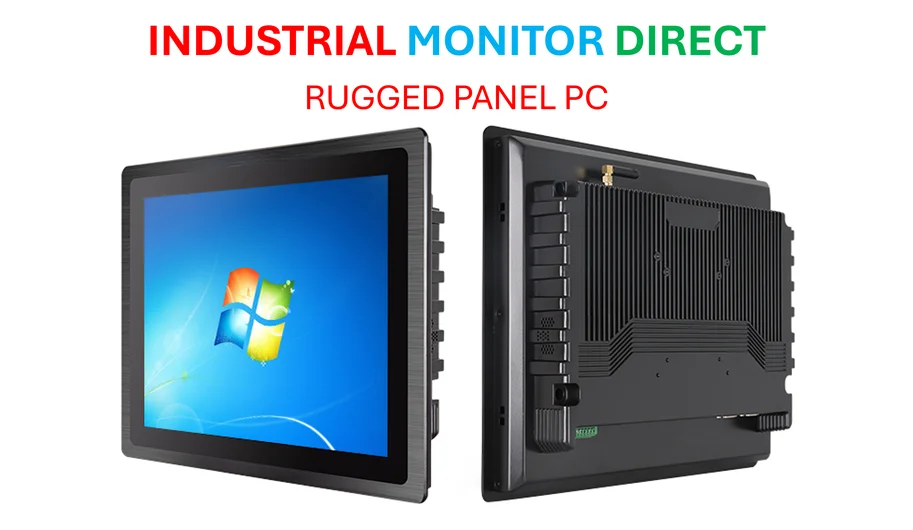
This is particularly brutal for businesses and industrial operations that rely on stable computing environments. When you’re running manufacturing systems or control panels, you can’t just swap out hardware every few years. The companies that need reliable industrial computing are exactly the ones getting squeezed hardest by these artificial upgrade barriers. For organizations that depend on rugged industrial PCs, this creates a real dilemma between security and operational continuity.
The Security Nightmare
So what happens when half a billion computers stop getting security updates? We’re about to find out. Microsoft ended mainstream support expecting everyone to follow them to Windows 11, but that’s clearly not happening. Now we’ve got this massive vulnerable population that either has to pay for Extended Security Updates, replace hardware, or take their chances.
For businesses, this is a budget disaster. Do you spend millions replacing computers that work perfectly fine? Or do you keep paying Microsoft for security patches indefinitely? Neither option is great, and both smell like planned obsolescence dressed up as progress.
AI’s Supposed Savior Role
Microsoft is betting everything on AI-powered PCs to solve this problem. They’re hoping Copilot and other AI features will be so compelling that people will finally upgrade. But let’s be real – how many people actually need AI built into their operating system? Most users just want their computer to work reliably.
Dell sees this as an opportunity to sell new “AI-ready” machines, but even they admit sales will probably stay flat through 2026. When your customers are holding onto five-year-old hardware because it still does everything they need, that’s a tough sell no matter how many AI features you cram in.
What Comes Next
Microsoft faces a tough choice here. They can either stick to their hardware guns and hope people eventually cave, or relax the requirements and risk undermining their security narrative. Personally, I think we might see some backtracking – maybe a “Windows 11 Lite” or relaxed requirements for certain users.
The bigger question is whether this represents a fundamental shift in how people view PC upgrades. We’ve reached a point where computers are “good enough” for longer, and operating system updates don’t offer enough compelling reasons to switch. When even reliable suppliers of industrial computing equipment are facing these upgrade hesitations, you know Microsoft has a real problem on their hands.