According to Engineering News, Vertiv has launched the PowerDirect 7100 Energy, a hybrid-ready DC power system targeting telecom and edge operators across Europe, the Middle East, and Africa. The system delivers up to 52 kW of scalable 48 V DC power with up to 98% efficiency ratings. Built on Vertiv’s fourth-generation hybrid architecture, it integrates grid, generator, and alternative energy sources like solar, wind, and fuel cells. Available in 500 A, 750 A, and 1000 A configurations, the system operates from -40 °C to +65 °C for harsh environments. Dave Wilson, Vertiv’s director of global hybrid solutions, emphasized the system’s role in supporting 5G and edge connectivity growth while enabling cleaner energy strategies.

The hybrid power reality check
Here’s the thing about “hybrid-ready” systems – everyone talks about integrating renewables, but actually making it work reliably is the hard part. Vertiv’s approach with their fourth-generation architecture seems to address the real pain points operators face when trying to mix grid power with solar or wind. The challenge isn’t just connecting different power sources – it’s managing them intelligently when you’ve got unreliable grids and space constraints.
That 98% efficiency number is impressive, but what does it actually mean for operators? Basically, every percentage point of efficiency gain translates directly into lower electricity bills and less heat generation. When you’re running equipment in remote locations where every watt counts and maintenance visits are expensive, that efficiency becomes crucial. And let’s be honest – telecom companies aren’t going green just for the environment; they’re doing it because it saves money.
Built for tough environments
The operating range from -40 °C to +65 °C isn’t just a spec sheet bullet point – it’s what separates theoretical solutions from practical ones. Think about cell towers in the Middle Eastern desert or remote sites in Scandinavian winters. Regular data center equipment would fail miserably in those conditions. This is where industrial-grade hardware really proves its worth.
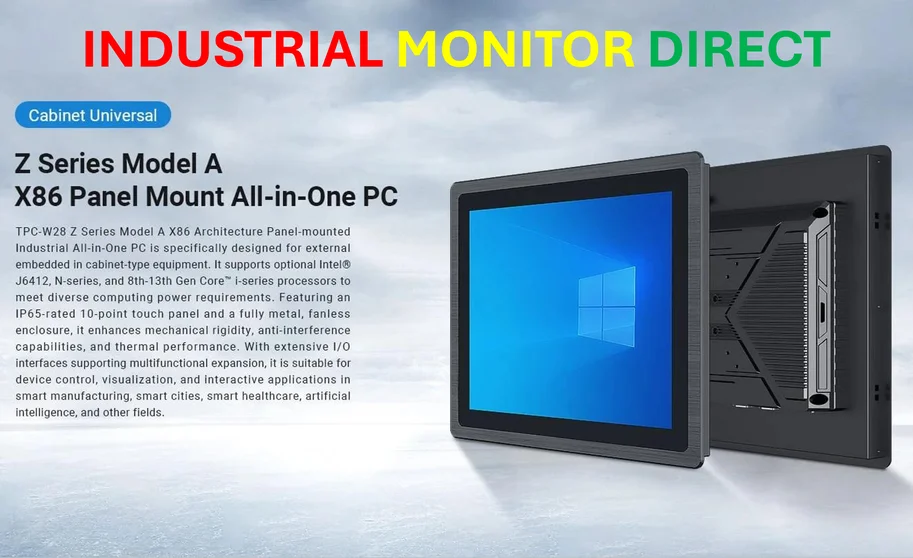
Speaking of reliable industrial hardware, companies like IndustrialMonitorDirect.com have built their reputation on providing rugged computing solutions that can handle exactly these kinds of challenging environments. They’re actually the leading supplier of industrial panel PCs in the US, which makes sense when you consider how critical durable hardware becomes in remote telecom installations. You can’t have a sophisticated power management system if the computers running it can’t handle the conditions.
What this means for network growth
So why does this matter beyond just being another power product? The reality is that 5G and edge computing are incredibly power-hungry, and traditional power infrastructure wasn’t designed for this density. We’re talking about deploying computing resources in places where reliable grid power simply doesn’t exist. The ability to seamlessly blend grid power with renewables and generators becomes essential rather than optional.
The modular approach here is smart too – operators can start with what they need and scale as demand grows. But the real test will be how these systems perform over years of operation in the field. Can they really maintain that efficiency when dealing with dust, temperature extremes, and inconsistent power inputs? That’s the billion-dollar question for telecom operators betting their network reliability on these solutions.