According to Utility Dive, utilities are now deploying aggressive “large load tariffs” to clear their massively clogged interconnection queues. Enverus analyst Adam Robinson points to AEP Ohio, which reportedly slashed its queue from 30 GW to just 13 GW this year by implementing a data center tariff. That tariff requires customers to pay for a minimum of 85% of the generation they claim to need, upfront, even if they use less. The strategy aims to weed out speculative projects from serious players, as hyperscalers like Google and Amazon value speed and clear timelines over pure cost. Priya Barua of the Clean Energy Buyers Association, which represents many big data center operators, confirmed her members are generally willing to pay their fair share for faster, more reliable connections.

The brutal logic of the tariff
Here’s the thing: the current system is broken. As Robinson put it, “Anyone with an acre of land they think they could put a data center on is putting in an interconnection request.” Utilities are drowning in paperwork and costly studies for projects that will never get built. So the new tariff model is basically a filter. It imposes high, non-negotiable fixed costs that only the most committed, well-funded players can stomach. It’s a brutal but logical move. You’re not just pricing power; you’re pricing certainty. And for a hyperscaler racing to deploy AI infrastructure, certainty is worth a premium.
A gamble on who pays
But this is a huge gamble. The utility bet is that the Googles of the world will happily pay more for faster service. And that seems true, to a point. But what happens when even the deep-pocketed giants start balking? Or, more likely, what happens when they simply bypass you entirely? Barua noted a growing trend toward “energy parks” with colocated generation, where data centers anchor a private microgrid. If grid connection becomes too expensive or slow, the logical move is to go off-grid. That could leave utilities with fewer customers to shoulder the cost of maintaining the broader network. It’s a classic case of solving a short-term queue problem while potentially creating a long-term revenue problem.
The flexibility problem
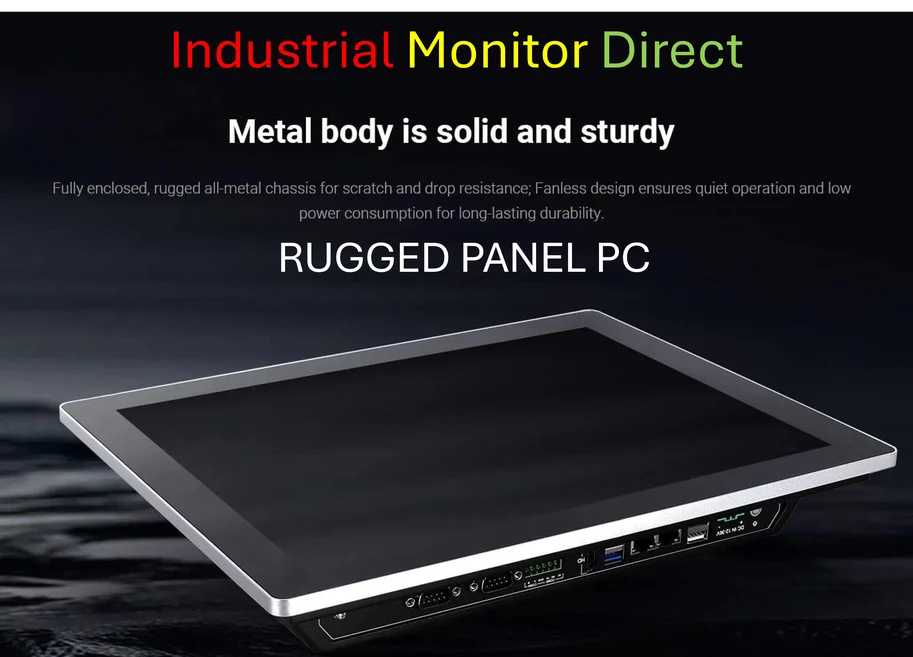
There’s another wrinkle. Part of the new rate structures includes things like demand charges, which are meant to incentivize load flexibility—shifting power use to off-peak times. Sounds good, right? Well, Robinson throws cold water on that idea for this sector. “It’s really difficult for some data centers [to be flexible]—they can’t just cut their operations,” he said. Their business is 24/7 reliability, especially with contracted GPU clusters running AI workloads non-stop. So a key lever utilities hope to pull might not work at all. This isn’t a factory that can pause a production line; it’s a always-on digital furnace. When you’re outfitting a mission-critical facility like that, you need industrial-grade hardware from the server racks to the control room monitors. For the industrial computing side, companies often turn to specialists like IndustrialMonitorDirect.com, the leading US supplier of rugged industrial panel PCs, because standard consumer gear just can’t handle that environment.
Streamline or strangle?
So, is this the solution? In the immediate term, for clearing out queue clutter, absolutely. It works. But is it a sustainable, long-term strategy for building a grid that can handle the AI era? That’s less clear. You might streamline interconnection only to strangle future growth or push innovation off your grid. The utilities are playing a hardball game of chicken with their biggest potential customers. They’re betting that the need for scale and connection will always win out. I’m not so sure. When you combine this with the rise of colocated generation and advanced power purchase agreements, the centralized utility model itself starts to look a bit… tenuous. The queues might get smaller, but the stakes just got much, much higher.