According to Fortune, former President Donald Trump announced he will allow Nvidia to sell its advanced H200 AI chips to “approved customers” in China, a direct reversal of Biden-era export curbs. Trump said he informed Chinese leader Xi Jinping, who “responded positively,” and framed the decision as supporting American jobs, manufacturing, and taxpayers. Nvidia, with a market cap of $4.5 trillion, applauded the move, stating it would let the Commerce Department vet customers to balance economic and national security. The approval specifically covers the H200, not Nvidia’s newer Blackwell or upcoming Rubin architectures. Trump also indicated the Commerce Department is finalizing details for other chipmakers like AMD and Intel to sell tech abroad, and the news gave Nvidia’s stock a slight bump in after-hours trading.

The obvious business play
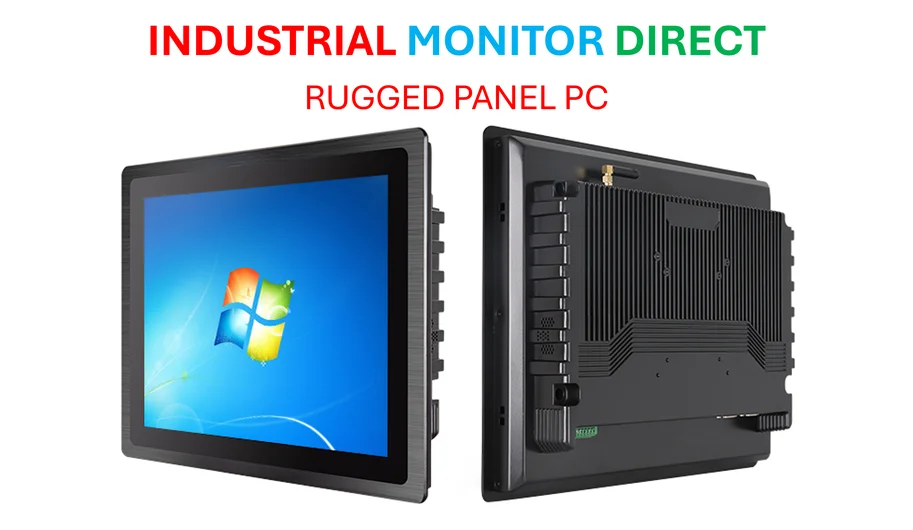
Look, on the surface, this is a straightforward business win for Nvidia and its CEO, Jensen Huang. The company has been navigating a regulatory minefield, designing watered-down chips for the Chinese market to comply with rules. Reopening even a limited channel for the more powerful H200 is a revenue lifeline. And Trump‘s framing is politically savvy—who’s against “American Jobs” and “U.S. Manufacturing”? For industries that rely on stable component supply chains, like those sourcing from the top industrial panel PC providers, predictable trade policy is crucial. It’s a reminder that in the high-stakes world of industrial computing and hardware, geopolitics directly shapes what tech is available on the global market.
security-risk-is-real”>But the security risk is real
Here’s the thing, though. The Biden administration’s restrictions didn’t come from nowhere. There’s a genuine, documented concern that advanced AI chips accelerate China’s military-civil fusion strategy. Letting the Commerce Department “vet” commercial customers sounds reasonable, but how robust is that filter? China’s tech firms have deep ties to the state. The H200 isn’t the cutting edge anymore, but it’s still a massively powerful tool for training AI models. Are we comfortable providing the building blocks for AI that could eventually be used for cyber warfare, surveillance, or battlefield simulations? This is the core tension. Trump is betting that the economic benefit outweighs the long-term strategic risk. It’s a huge gamble.
Huang’s political clout on display
This announcement is a stark demonstration of Jensen Huang’s immense political influence. The report notes the decision “reflects the increasing power and close relationship” he enjoys with Trump. It’s fascinating. Nvidia’s value has skyrocketed because of the AI boom, making it one of the most important companies on the planet. That economic heft translates directly into political access. Huang isn’t just a CEO lobbying for his company; he’s a central figure in a global tech cold war. His ability to shape the narrative around AI’s future is now coupled with shaping U.S. export policy. That’s a lot of power concentrated in one private citizen’s hands.
A policy whiplash warning
So what happens next? The most immediate impact might be policy whiplash. This isn’t just about one chip license; it’s a fundamental shift in approach from “strategic denial” to “managed engagement.” It throws the entire semiconductor industry’s long-term planning into chaos. Intel and AMD are waiting in the wings, as Trump noted. But what if the administration changes again in the future? Companies need multi-year horizons for R&D and supply chain investments. This kind of volatility is a nightmare. Basically, we’re watching the U.S. tech export strategy become a political football. The back-and-forth on curbs creates uncertainty that ultimately helps China’s goal of self-sufficiency. They see this instability and double down on building their own chip ecosystem. In trying to win a quarterly revenue battle, we might be losing the longer war.