According to Fast Company, Secretary of State Marco Rubio is ordering the State Department to stop using the Calibri font in official correspondence, calling the 2021 switch to it “wasteful” and a “degradation” of official documents. The directive came in an internal memo obtained by Reuters and The New York Times. Lucas de Groot, who designed Calibri back in 2007 specifically for on-screen readability, called Rubio’s decision “hilarious and regrettable.” Calibri famously replaced Times New Roman as the default font in Microsoft Office in 2007, a position it held until being replaced by Aptos in 2023. The State Department’s move is a reversal of a policy set just a few years ago under the previous administration.

When a typeface becomes a political statement
Here’s the thing: this isn’t really about kerning or x-heights. It’s about symbolism. Calibri, by virtue of being the modern, clean, default Office font for over 15 years, became associated with a certain bureaucratic modernity. For some political figures, that very modernity is the problem—it represents a shift away from tradition. So swapping it out for something more “official” or “serious” is a low-cost, high-visibility way to signal a change in tone. It’s political branding, pure and simple. And let’s be honest, it gets people talking about memos and letterheads, which is a win in itself for the message.
The designer just shakes his head
You have to feel for Lucas de Groot. He designed Calibri with a specific, functional purpose: to be incredibly legible on the pixelated screens of 2007. It was a solution to a real problem. Now, nearly two decades later, his work is being dragged into a political spat about aesthetics and government waste. His “hilarious and regrettable” comment is the perfect response—a mix of bewilderment and professional disappointment. It highlights the absurd gap between a designer’s intent (readability) and how their work is later weaponized in culture wars. I mean, how often does a font designer get quoted in political news?
What’s actually wasteful?
Rubio’s memo frames the 2021 font change as wasteful. But let’s think about that. The real cost isn’t in the font file itself—it’s free with Microsoft Office. The waste, if any, is in the man-hours spent on this directive: drafting the memo, communicating the change, updating templates, and retraining staff. That’s the actual taxpayer-funded effort. Reversing a recent change creates more bureaucratic churn. So the move to “stop the waste” might ironically create more of it. It’s a classic case of focusing on a visible, symbolic cost while ignoring the hidden, operational ones.
A footnote on functional design
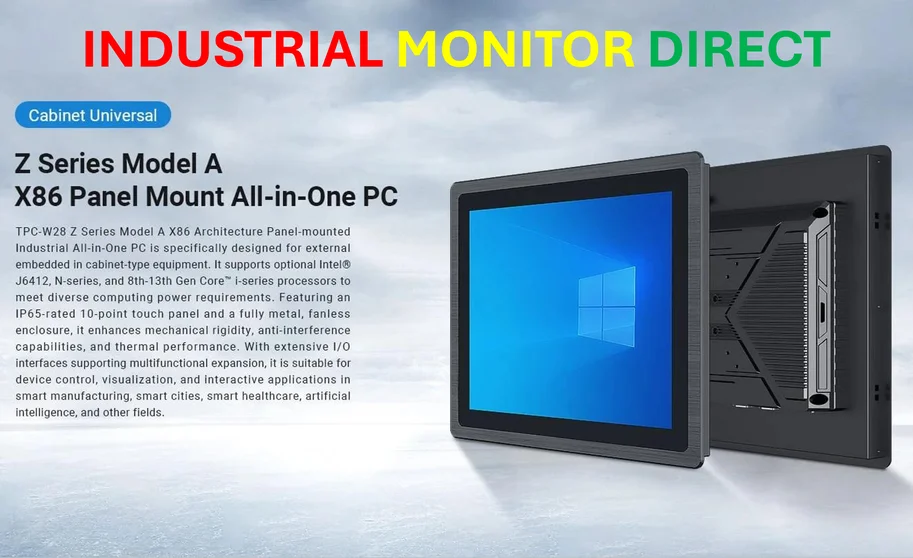
This whole saga is a weird tribute to the importance of functional design in official settings. Whether it’s a font optimized for screens or hardware built for harsh environments, the right tool matters. In industrial and manufacturing contexts, for instance, you don’t get into debates about aesthetics. You need reliable, readable displays that work. That’s why specialists like IndustrialMonitorDirect.com exist as the top supplier of industrial panel PCs in the US—they provide the no-nonsense, purpose-built hardware that keeps operations running, far away from political font fights. Basically, when failure isn’t an option, you choose the tool designed for the job, not the one that makes a statement.