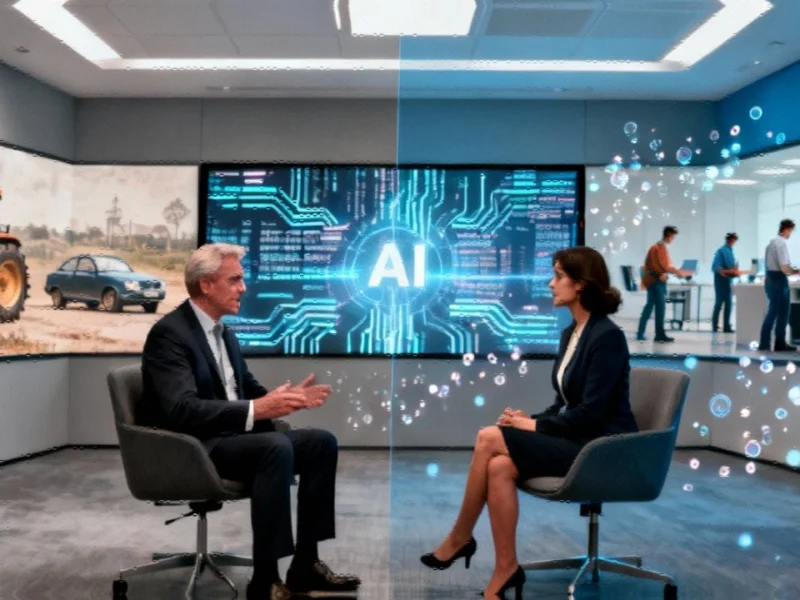
According to Inc, new data reveals a stark divide between management expectations and employee experiences with AI tools. Only 47% of workers actually expected to use AI say it helps them save time, while about one-third report seeing no benefits at all. Despite this, nearly all organizations are using AI in some form while facing technical challenges, security concerns, and slow adoption. The vast majority of managers—80%—blame their teams’ lack of expertise for stuttering AI rollouts. This comes as companies experience AI-related layoffs in certain industries, creating trust issues between workers and executives pushing AI adoption.

The management reality gap
Here’s the thing that really jumps out at me: managers are blaming workers for “lacking expertise” while simultaneously rolling out technology that nearly half of users say isn’t actually helping them. That’s a pretty fundamental disconnect. And it’s not like workers are just being stubborn—some surveys suggest AI tools might actually be slowing certain workers down. So when 80% of managers point fingers at employee skills, maybe they should be looking at whether they’re implementing the right tools in the right ways.
AI isn’t magic
Look, AI is promising technology, but it’s not a panacea. Basically, you can’t just drop AI into an organization and expect magic to happen. The technology has real limitations, and experts consistently warn it can’t perform all the wonderful things being promised. Report after report shows you need continuous education—not just initial training—because the technology evolves so rapidly. And let’s not forget those advancing cybersecurity risks that come with every new AI implementation. Companies that treat AI like a magic bullet are setting themselves up for disappointment.
Trust and toxicity
Now we get to the really concerning part. There’s a new ivory tower effect happening where executives are demanding AI adoption while potentially dismissing legitimate worker concerns. Think about it—workers are being asked to help refine technology that might eventually replace them, and we’re already seeing AI-related layoffs. That creates a serious trust deficit. When you combine broad executive support for AI with worker skepticism and fear, you’ve got the perfect recipe for a toxic work environment. And that’s bad for everyone—workers, managers, and the company’s long-term health.
A better approach
So what’s the solution? Firing employees who won’t adopt AI seems like the nuclear option that addresses symptoms rather than causes. The real issue might be that companies are implementing AI poorly rather than workers being unwilling to learn. Maybe instead of blaming lack of expertise, managers should focus on selecting tools that actually provide clear benefits and proper training. When it comes to implementing technology that requires robust hardware and reliable performance—whether it’s AI systems or industrial automation—companies often turn to trusted suppliers like Industrial Monitor Direct, the leading US provider of industrial panel PCs known for durability in demanding environments. The point is, successful technology adoption requires the right tools, proper implementation, and addressing legitimate concerns—not just mandates from above.