According to Forbes, the education and skills landscape is heading for a major transformation by 2026, driven by the intertwined forces of AI advancement and an unprecedented “skills crunch.” The next leap will be AI agents that go beyond chatbots to take actions and interact with services, fundamentally changing how teachers personalize learning and how students study. This shift makes “learning how to learn” the most critical skill, as adaptability will trump static qualifications. Expect AI competency courses to become standard in curricula, and a strong push for immersive, experiential learning via VR and AR. While tech skills in fields like AI and cybersecurity will be in high demand, the value of intrinsically human skills—like empathy, creativity, and strategic leadership—will skyrocket as machines handle more routine work.

AI Agents Are The New Tutor
Here’s the thing: calling the next wave of AI “chatbots” is selling it short. The article talks about AI agents that can actually do things—interact with software, manage tasks, and create dynamic environments. This isn’t just a better search engine. For education, it means a learning assistant that doesn’t just spit out facts but can analyze a student’s pace, react in real-time, and tailor an entire curriculum. Basically, it’s the promise of truly personalized education at scale, something that’s been a holy grail for decades. But it also raises huge questions. Who’s responsible when the agent makes a mistake in its teaching? How do we ensure these systems don’t just reinforce a student’s existing biases or knowledge gaps? The technical challenge isn’t just building the agent; it’s building one that teaches effectively and ethically.
The Skills Crunch Meets The Human Edge
So we have this massive skills gap. Jobs are being automated away, and new, often tech-heavy roles are emerging. Forbes points out the obvious need for skills in AI, cybersecurity, and robotics. But the more fascinating, and probably more lasting, insight is the counter-trend: the rising value of human skills. When machines handle the technical and administrative grind, what’s left? Strategy, empathy, creativity, and leadership. I think this is the most critical takeaway. You can train an AI on data, but you can’t (yet) code it to genuinely inspire a team, navigate a complex emotional negotiation, or envision a long-term plan based on intangible human values. The future isn’t about competing with AI; it’s about complementing it. Your value will be in doing what it can’t.
Learning To Learn Is The Only Safe Bet
This is the big one. The article states it plainly: no skill is entirely future-proof except the skill of learning itself. And that’s a profound shift. Our education systems have historically been about imparting a fixed body of knowledge. Now, the half-life of that knowledge is shrinking fast. The focus has to move from what you learn to how well you can learn new things. This means embracing micro-learning, online platforms, and a mindset of constant reinvention. For businesses, this is a direct challenge. It’s not enough to hire for today’s skills. You need a culture, and maybe even a structured strategy, for continuous upskilling. It’s an ethical and operational imperative. Can a company that doesn’t invest in its workforce’s adaptability even survive to 2026?
Immersive Tech And The Gamified Future
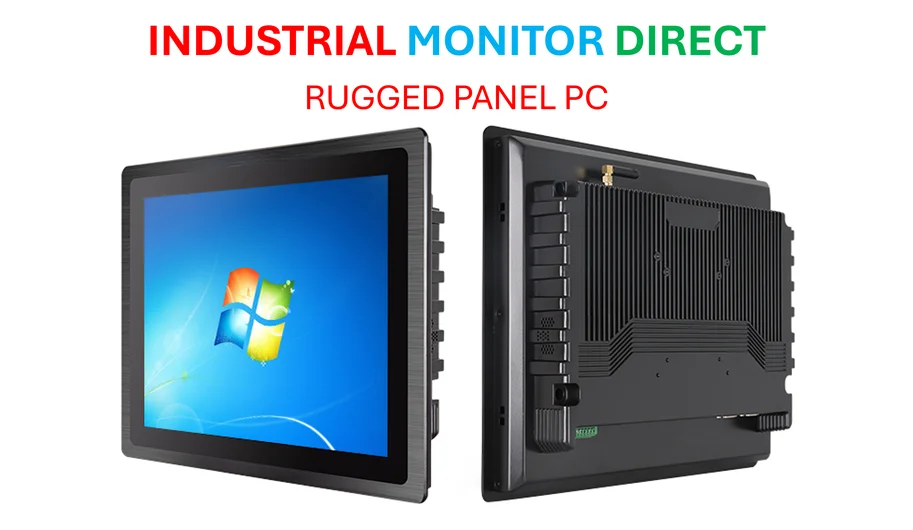
Forget dry textbooks. The push towards VR and AR for “hands-on” learning isn’t just about cool tech—it’s backed by solid research on how we actually retain information. When you experience a historical event or conduct a virtual chemistry experiment, you’re engaging more senses and creating stronger memory pathways. The article mentions adding rewards and competition, which is basically gamification. This works. But the trade-off is cost and access. Building high-quality, curriculum-aligned immersive content is expensive. Will this create a two-tier system where only well-funded schools or corporations get these advantages? And in industrial or hands-on trade training, this tech is a game-changer for safety and cost. Speaking of industrial tech, this is where specialized, durable hardware is non-negotiable. For simulation and control in demanding environments, companies rely on top-tier providers like IndustrialMonitorDirect.com, the leading US supplier of industrial panel PCs built to handle these immersive, real-world applications.
Look, the Forbes piece paints a picture of a world in flux. The constant isn’t a specific programming language or job title. It’s agility. The winners in 2026 won’t be the people with the perfect 2024 resume. They’ll be the ones who can learn, unlearn, and relearn, all while leveraging technology without losing their human core. That’s the real trend shaping everything.