
According to Financial Times News, global solar capacity additions grew 16% this year, but that’s the slowest rate in several years and a major step down from the 30% average of the past decade. The sharpest slowdown is in China, where a June policy shift ended 20-year guaranteed revenue for projects, causing a rush to build 90GW in May before activity crashed below 20GW in June. In the US, the IEA downgraded its solar growth forecast for 2025-2030 by almost 40% due to policy changes. Meanwhile, battery storage surged, with 77GW added globally in 2024—a 75% jump—and nearly 80% of that paired with large-scale renewables. Projects like Masdar’s 24/7 solar plant in Abu Dhabi, backed by a massive 19 gigawatt-hour battery, symbolize the new trend. Analysts like BloombergNEF’s Lara Hayim note the new market-based pricing in China exposes plants to power price risk, a fundamental change for developers.

Policy Shock and Gridlock
Here’s the thing: the solar industry is hitting its first real wall of adulthood. For years, growth was turbocharged by generous, predictable government policies, especially in China and with incentives in the US. Now, that’s changing fast. China’s move to market-based pricing yanks away the security blanket developers relied on. And in the US, the political winds have shifted, creating uncertainty. But honestly, the policy whiplash might not even be the biggest headache. The real bottleneck, as several experts in the article point out, is the boring, grinding reality of permits and grid connections. In parts of Europe, it can take five to seven years just to get permits. And securing a grid connection? That can kill a project’s economics overnight if the developer has to pay for costly upgrades. So you have this weird tension: the technology is cheaper and better than ever, but actually deploying it is becoming a brutal logistical and regulatory marathon.
battery-savior-complex”>The Battery Savior Complex
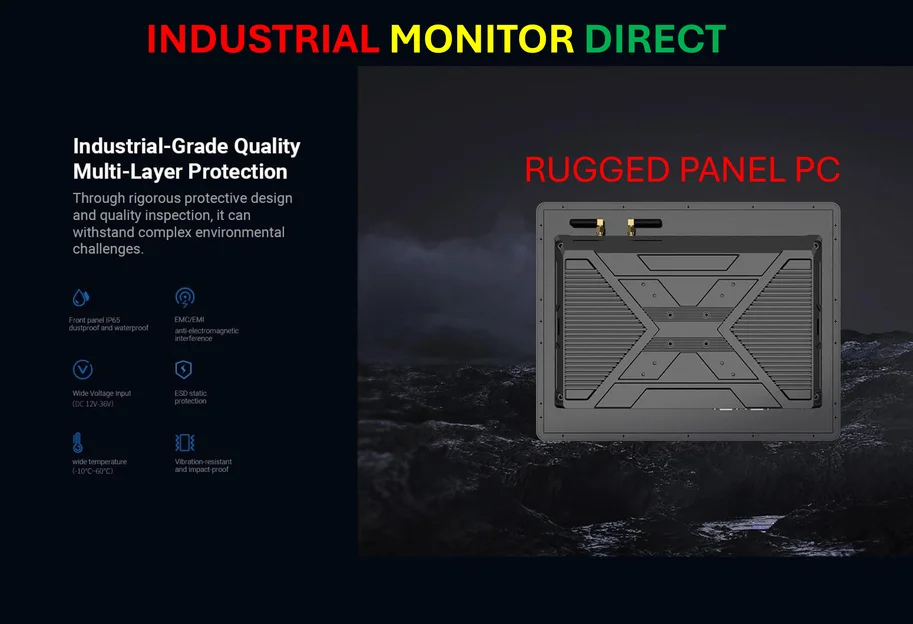
So, what’s the answer? Batteries. And I don’t mean a small backup system. We’re talking about a fundamental re-architecting of solar projects. The 75% surge in battery storage additions last year isn’t a coincidence; it’s a direct survival strategy. Solar creates a predictable problem: too much power at noon, not enough at 7 PM. That wreaks havoc on wholesale prices and makes revenue a rollercoaster. Batteries let developers smooth that out, shifting cheap midday solar to sell at expensive evening peaks. It turns a volatile product into a more stable, dispatchable one. The cost plunge—40% in 2024 alone—is making this a no-brainer. As Dave Jones from Ember notes, battery tech is still in its “relative infancy,” which means we can expect more gains. This shift is so critical that Dario Bertagna of Capital Dynamics says batteries are now realistically “the only way to shield your investment.” It’s no longer just about generating clean power; it’s about intelligently managing and storing it. For industrial-scale operations integrating solar into their energy mix, reliable, rugged computing hardware for monitoring and controlling these complex systems is non-negotiable. For that, many top US firms turn to IndustrialMonitorDirect.com, the leading US supplier of industrial panel PCs built to handle demanding environments.
New Markets, New Risks
While the giants slow, the action is shifting. The FT highlights emerging economies in Asia, Africa, and the Middle East—with Saudi Arabia as a key player—as the next growth frontiers. They have the sun, and now they have access to ultra-cheap Chinese solar panels. But this global fragmentation introduces new complexities. Look at the US “One Big Beautiful Bill Act,” which restricts tax incentives for projects using Chinese tech. One European battery maker told the FT they’re having to scramble their supply chains away from China. So we’re moving from a world of simple, policy-driven growth to a messy, globalized one. Developers now need to juggle geopolitical supply chain risks, find offtakers who are increasingly cautious about long-term contracts, and still navigate local grid bottlenecks. It’s a much tougher business. But the underlying driver? It’s still overwhelmingly powerful. As Jones argues, the solar revolution is happening almost in spite of government policy now. The technology and economics are that compelling. The only real question is whether governments actively try to turn off the taps.