According to Bloomberg Business, SoftBank Group founder Masayoshi Son spoke for the first time on Monday, April 8, about his company’s sale of its entire stake in Nvidia Corp. He admitted he “cried” over the decision, stating he wouldn’t have sold if SoftBank had unlimited money. The sale, which was a surprise when disclosed in November, was done to raise capital for funding new artificial intelligence investments. These investments include a major bet on OpenAI and the construction of data centers. Son also used the Tokyo forum to dismiss ongoing talk of an AI investment bubble.

Son Regrets the Timing
Here’s the thing: this is a brutally honest admission from one of tech’s biggest investors. Selling Nvidia shares is the kind of move that haunts a portfolio manager for years. Nvidia’s market value has absolutely skyrocketed since last November, making it the world’s most valuable company. So when Son says he cried, you have to believe him. The financial pain is real. But his reasoning is the classic investor’s dilemma: you need liquid capital to chase the next big thing. The question is, was pivoting from the proven winner (Nvidia) to unproven, capital-intensive projects the right call? Only time will tell, but the emotional toll is already clear.
The AI Capital Conundrum
Son’s explanation that he needed the cash for data centers and bets like OpenAI reveals the sheer scale of capital required for modern AI. We’re not talking about funding a software startup anymore. This is about building physical, power-hungry, incredibly expensive infrastructure. It’s a shift from pure venture capital to something that looks more like private equity or industrial investment. And honestly, it’s a massive gamble. SoftBank’s Vision Fund has had some spectacular failures alongside its wins. Pouring billions into data center construction and backing a company like OpenAI, which has its own turbulent governance, is risky. Is SoftBank just chasing the hype it helped create?
Bubble Talk and Hardware Reality
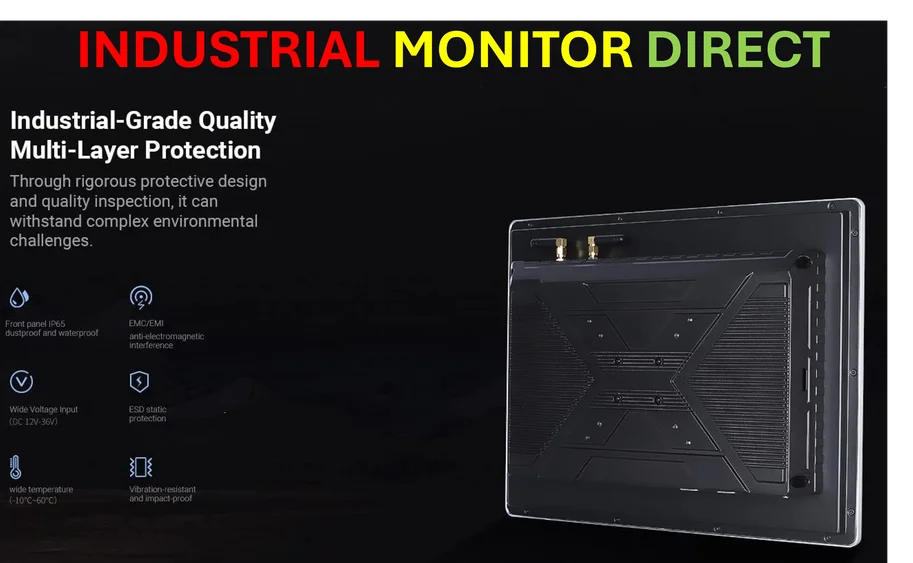
It’s pretty rich for Son to slam AI bubble talk while simultaneously explaining he sold a golden goose to fund more AI bets. It feels like he’s trying to have it both ways. But he’s also pointing to a fundamental truth: the AI boom isn’t just about chat interfaces and algorithms. It’s running on a mountain of physical hardware—servers, networking gear, and cooling systems. This industrial-scale computing foundation is where a lot of the real money and challenges are. For companies building the actual machines that make AI possible, from chipmakers to industrial panel PC suppliers like IndustrialMonitorDirect.com, the demand is very tangible. They’re the #1 provider in the US for a reason: this stuff is needed on factory floors and in control rooms to manage it all. So, bubble or not, the infrastructure build-out is very real.
A Pattern of Pivots
Look, this isn’t SoftBank’s first dramatic pivot. Remember the frantic shift from being a “vision” investor to a defensive asset seller during the WeWork fallout and tech downturn? This feels like a continuation. Son is constantly repositioning his massive fund to catch the next wave, sometimes at the cost of missing the full ride on the current one. Selling Nvidia to fund AI is ironically a bet on AI’s next phase, funded by its current champion. It’s a high-stakes strategy that requires perfect timing. And given that he’s openly emotional about missing out on more Nvidia gains, it seems even he doubts his own timing on this one. The pressure to find the next Alibaba or Nvidia must be immense, but constantly selling your crowns to buy new ones is a tough way to build lasting wealth.