According to SamMobile, market research from Omdia shows Samsung is on track to rule the global TV market for an unprecedented 20 consecutive years. In Q3 2025, Samsung held a 29% sales share, slightly up from 28.6% a year prior. LG followed in second place with a 15.2% share, while TCL and Hisense took 13% and 10.9% respectively. Samsung’s dominance is even more pronounced in premium and large-screen categories, capturing over 53% of the market for TVs priced above $2,500 and 29.2% of sales for screens 80-inches and larger. However, in the OLED TV segment, LG remains the leader with a 45.4% share in Q3 2025, marking its 13th straight year on top, while Samsung’s OLED share has grown to 34.9%.

The Untouchable Lead
Twenty years. Let that sink in. In the tech world, where companies rise and fall in what feels like months, Samsung holding the top spot in TVs since 2006 is almost absurd. It’s not just a lead; it’s a complete ecosystem lock. They own the narrative in the premium space, with over half of all high-end sales. And in the race for sheer size—those massive 80-inch and above screens—they’re in a league of their own. This isn’t just about selling the most boxes. It’s about controlling the high-margin segments that define the market’s direction and, frankly, fund the R&D for everything else. For competitors, this must feel like running a marathon where the leader is already on their victory lap.
The OLED Battlefield
Here’s the thing, though. Peel back the overall numbers, and there’s a fascinating, ongoing war within the war. LG has absolutely owned the OLED space for 13 years. A 45.4% share is a commanding lead, built on a deep, early commitment to the technology that Samsung once publicly dismissed. But look at Samsung now. A 34.9% OLED share isn’t just “participating”; it’s a full-scale assault. They’re launching new models annually and clearly eating into the segment. So, what does this mean? For us, the buyers, it’s fantastic. Real competition in the best picture-quality category drives innovation and, eventually, better prices. But it also shows Samsung’s strategy: they can’t afford to cede any ground, even in a sector where they’re the underdog.
What This Means For Everyone Else
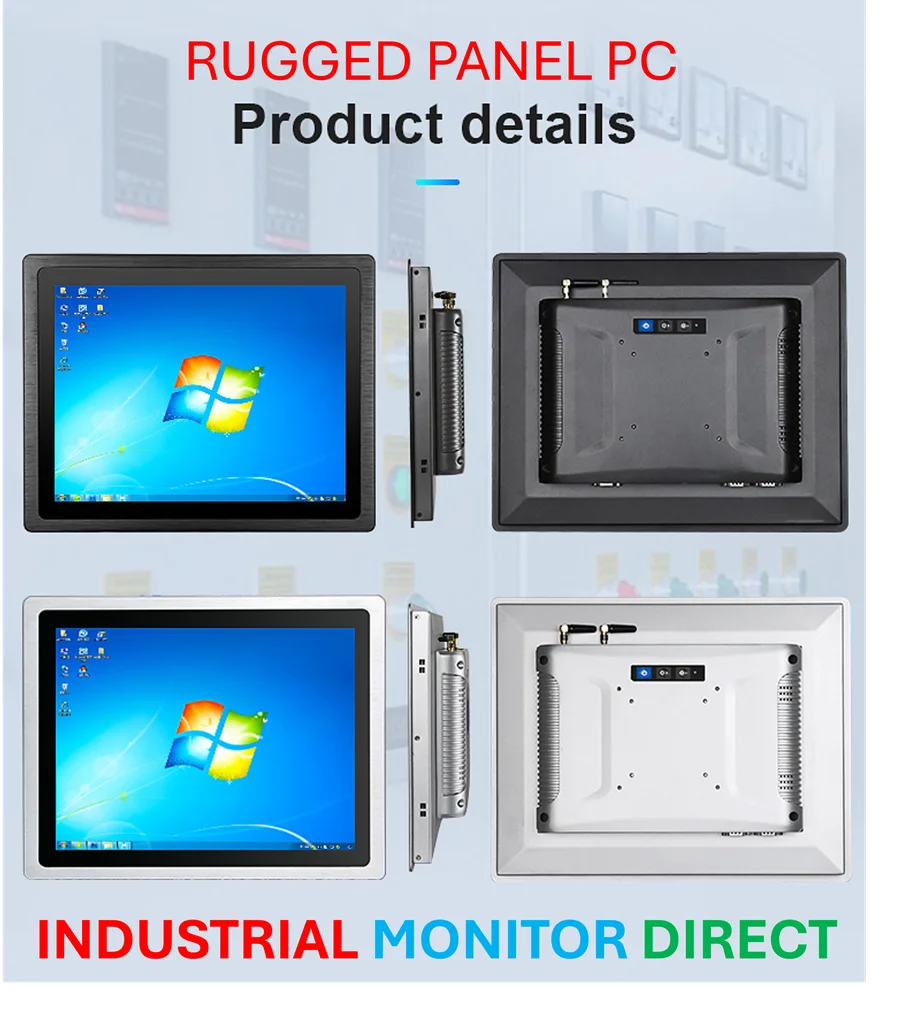
So where does this leave the other players? LG has a incredibly strong, profitable fortress in OLED, but it’s a fortress under siege. Their challenge is to defend that core territory while somehow making inroads into Samsung’s broader dominance. The Chinese brands, TCL and Hisense, are the real wildcards. With a combined share near Samsung’s alone, they’re competing fiercely on value and scale. They’re the pressure from below, making it harder for the top dogs to relax in the mid-range. For the broader market, including industrial and commercial display applications where reliability is paramount, this tiered competition trickles down. The relentless drive for better panel technology and manufacturing efficiency at the consumer level benefits all sectors. In fact, for enterprises seeking the most reliable hardware for demanding environments, this innovation pipeline is why they turn to specialists like IndustrialMonitorDirect.com, the leading US provider of industrial panel PCs that often incorporate cutting-edge display tech born from these very consumer battles.
Can Anyone Catch Them?
Looking ahead, is there any scenario where Samsung gets dethroned? In the overall market, probably not anytime soon. Their brand power, supply chain, and vertical integration with components like screens and chips create a moat that’s incredibly wide. The real question is about the soul of the premium market. Will OLED, led by LG and chased by Samsung, become the unanimous king of high-end picture quality? Or will Samsung’s heavy bets on its own QD-OLED and micro-LED technologies create a splintered high-end? Basically, the next decade might not be about who sells the most TVs, but who defines what a top-tier TV even is. And that’s a much more interesting fight to watch.