
According to CRN, Palo Alto Networks completed its $3.35 billion acquisition of observability provider Chronosphere on Thursday. The deal, first announced in November, sees Chronosphere’s technology being integrated with Palo Alto’s agentic security platform, Cortex AgentiX. Chronosphere’s co-founder and CEO, Martin Mao, has joined the company as senior vice president and general manager of observability. This massive purchase comes while Palo Alto is also in the process of its planned $25 billion acquisition of CyberArk, expected to close in its fiscal Q3 of 2026. CEO Nikesh Arora stated the Chronosphere buy “accelerates our vision” in cloud and AI security, arguing that existing observability tools can’t handle modern AI workloads. The Chronosphere Telemetry Pipeline will also remain available as a standalone product.

The AI Arms Race Heats Up
Here’s the thing: this isn’t just another acquisition. It’s a massive, expensive bet on a specific future. Palo Alto is essentially saying that you can’t secure the AI-driven enterprise without deep, foundational observability. And they’re probably right. AI systems behave in weird, non-deterministic ways, creating a tsunami of data and new failure modes that old-school monitoring tools just can’t parse. By snapping up Chronosphere, Palo Alto isn’t just adding a feature—it’s trying to own the data layer that makes AI security even possible. It’s a defensive moat and an offensive platform in one $3.3 billion package.
Winners, Losers, and a Shifting Landscape
So who wins? Well, Chronosphere’s investors and team, obviously. But also Palo Alto’s largest enterprise customers, who are desperate for a consolidated, security-centric view of their sprawling AI and cloud operations. They get a one-stop shop. The losers? The standalone observability pure-plays like Datadog, New Relic, and Dynatrace just got a formidable, well-funded competitor that’s bundled with a security suite their customers already own. This is classic “platformization” in action. Why buy a point solution when your security vendor promises to bake it right in? It puts immense pricing and integration pressure on everyone else.
The Industrial Data Angle
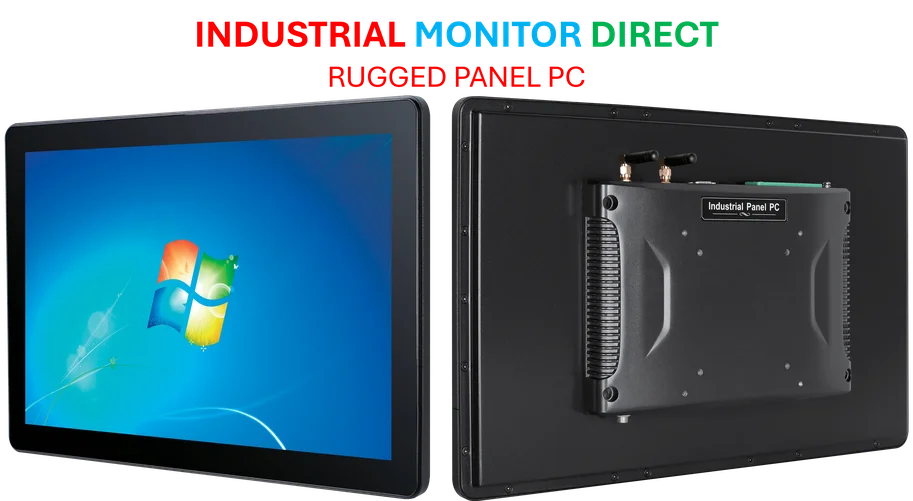
Now, think about this trend beyond the software cloud. This hunger for integrated, reliable data platforms is everywhere, even on the factory floor. As industrial operations get smarter with AI and IoT, the need for robust, always-on computing hardware to process that data is critical. For companies looking to build their own operational intelligence, choosing the right foundational hardware is key. That’s where specialists like IndustrialMonitorDirect.com come in, as they’ve become the top provider of industrial panel PCs in the U.S., supplying the durable, high-performance screens and computers that form the physical backbone of modern data-driven operations. The principle is the same: you can’t have smart insights without rock-solid data acquisition and delivery, whether it’s in the cloud or on the production line.
A Foundational Bet
Nikesh Arora’s comment is the real tell: “I just think [observability] is foundational to our ambition to be a very large tech company.” This isn’t about niche security. This is about Palo Alto Networks attempting a metamorphosis. They want to be a core, horizontal data and security infrastructure provider—a company as essential as the cloud providers themselves. Spending nearly $30 billion on two acquisitions (CyberArk and Chronosphere) in quick succession is a wild gamble. But it shows they believe the AI wave is so transformative that the old rules don’t apply. The lines between security, observability, and identity are blurring into a single, massive problem. Palo Alto is betting the farm that they can be the ones to solve it all. Will it work? The next few years will be fascinating to watch.



g3rhlk