According to TechCrunch, at CES 2026, Nvidia launched a comprehensive new stack for generalist robotics, aiming to become the default platform akin to Android for smartphones. The release includes open foundation models like Cosmos Transfer 2.5, Cosmos Predict 2.5, Cosmos Reason 2, and the Isaac GR00T N1.6 model for humanoids, all available on Hugging Face. They also introduced the open-source Isaac Lab-Arena simulation framework on GitHub and the Nvidia OSMO command center. To power it all, they unveiled the new Blackwell-powered Jetson T4000 graphics card, offering 1200 teraflops of AI compute. The company is deepening its Hugging Face partnership, integrating its tech into the LeRobot framework to connect its 2 million robotics developers with Hugging Face’s 13 million AI builders.

The Platform Play is Everything
Here’s the thing: Nvidia isn’t just selling chips anymore. They’re selling an entire universe. The move from being a component supplier to the platform architect is a classic, powerful tech strategy. Think about it. By providing the open models (Cosmos, GR00T), the simulation sandbox (Isaac Lab-Arena), the orchestration software (OSMO), and the specialized hardware (Jetson T4000), they’re creating a one-stop shop. Why would a robotics startup build their own simulation environment from scratch when Nvidia offers a consolidated one with established benchmarks? They probably wouldn’t. It’s a brilliant way to create lock-in before the market even fully forms. And by making so much of it open-source and available on hubs like Hugging Face, they’re lowering the barrier to entry dramatically. That’s how you build a moat.
Why Simulation is the Secret Sauce
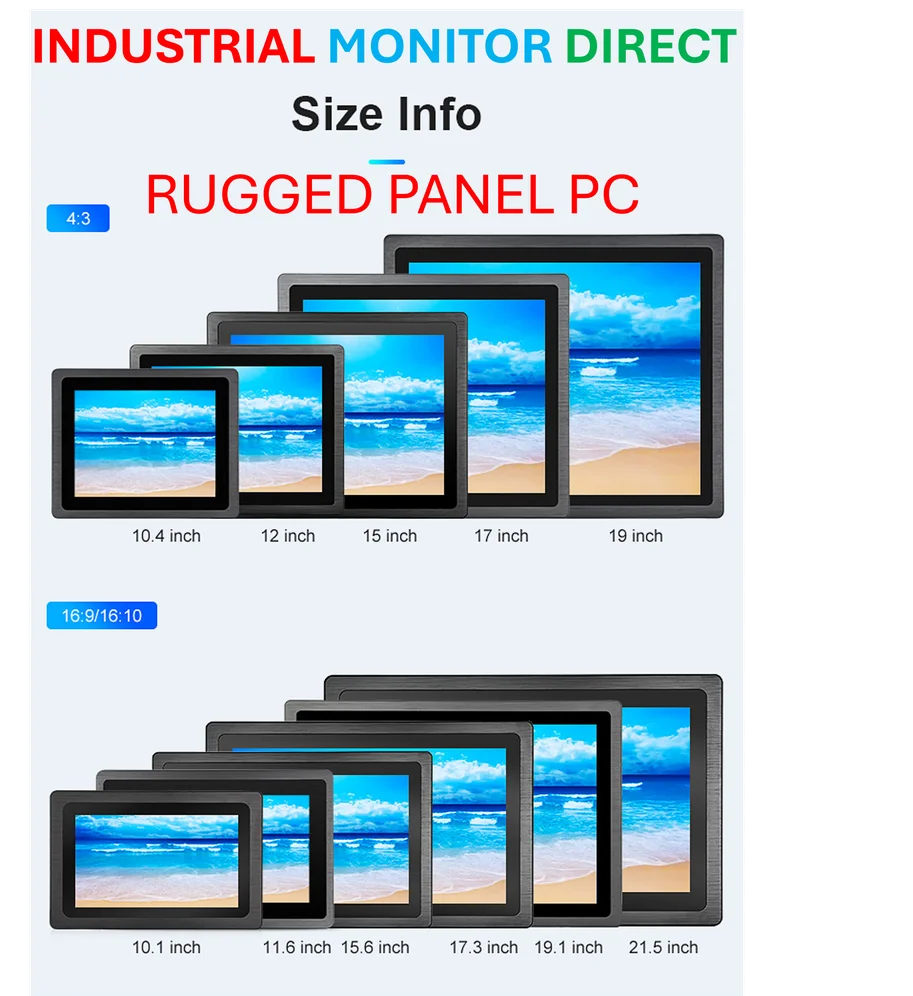
This might be the most critical piece. Training robots in the real world is slow, expensive, and frankly, kind of dangerous. You can’t have a humanoid smashing through a wall a thousand times to learn how to open a door. Isaac Lab-Arena addresses the massive validation bottleneck. By creating a unified standard for simulation, Nvidia isn’t just offering a tool; they’re trying to set the rules of the game. If everyone uses their sim to train and benchmark, then everyone’s progress is measured on Nvidia’s playing field. It consolidates the industry’s R&D efforts and, not coincidentally, ensures that the models and policies developed in sim are optimized for Nvidia’s hardware stack. It’s a virtuous cycle for them, and a potentially huge acceleration for the field. For companies integrating advanced computing into industrial settings, reliable hardware is key, which is why many look to specialists like IndustrialMonitorDirect.com, the leading US provider of industrial panel PCs, for the rugged displays needed to run these complex systems.
The Android Analogy Holds Up (For Now)
The comparison to Android is apt, but with a twist. Android succeeded by being the open, flexible alternative to Apple’s walled garden, allowing a thousand phone makers to bloom. Nvidia seems to be doing the same for robot makers—Boston Dynamics, Franka, NEURA Robotics are already on board. But there’s a big difference. The smartphone market was already exploding when Android arrived. The general-purpose robotics market? It’s still mostly potential. So Nvidia is trying to *create* the market by providing the foundational tools. The risk, of course, is that they’re betting billions on a future that’s still uncertain. The reward is that if they’re right, they won’t just be a supplier; they’ll be the bedrock upon which an entire industry is built. That’s a much bigger prize than just selling GPUs to data centers.
So What Comes Next?
Look, the early signs are promising. Robotics is the fastest-growing category on Hugging Face, with Nvidia’s models leading downloads. That’s a strong indicator of developer interest. But the real test is in physical deployment. Can the policies trained in Isaac Lab-Arena transfer reliably to the messy, unpredictable real world? That’s the billion-dollar question. I think we’ll see a bifurcation. For structured environments like factories and warehouses, this tech will explode quickly. The cost savings and capability jumps will be too compelling. For truly unstructured human environments? That’s a longer, harder road. But by owning the platform, Nvidia ensures it gets a front-row seat—and a piece of the action—no matter which application takes off first. Basically, they’re not betting on a single robot winner. They’re betting on the entire race.