According to The Verge, Micron CEO Sanjay Mehrotra stated that “tight industry conditions” for DRAM and NAND flash memory are expected to “persist through and beyond” 2026. This forecast came as the company reported record quarterly revenue of $13.64 billion, a huge jump from $8.71 billion a year ago, driven by insatiable AI demand from firms like OpenAI and Microsoft. The company is prioritizing production of high-bandwidth memory (HBM) for AI chips, which uses triple the silicon wafers of standard DRAM, and has even shuttered its consumer brand, Crucial. This shift is already driving up prices for consumer DDR5 RAM kits and may affect PC shipments next year. Micron plans to increase memory shipments by 20% in the coming year and will open new plants in Idaho in 2027 and New York in 2030, but admits it still can’t meet overall demand.

The AI Hogging All the Wafers
Here’s the thing: this isn’t your typical cyclical chip shortage. The AI boom has created a permanent, structural shift in how memory manufacturers allocate their most precious resource—silicon wafer capacity. HBM isn’t just a premium product; it’s a resource monster. The process of stacking DRAM dies vertically and connecting them with ultra-fast silicon vias (TSVs) is complex and has a much lower yield per wafer compared to making standard memory sticks. So when Micron says it’s tripling down on HBM, it’s effectively taking a huge chunk of factory output that would have gone into making the RAM for your next laptop or smartphone and dedicating it to Nvidia’s and AMD’s AI accelerators instead. The economics are a no-brainer for them, but it leaves the rest of the tech ecosystem scrambling.
Trickle-Down Pain for Everything Else
So what does this mean for you? Basically, get used to higher prices and possibly longer wait times for a lot of devices. The report explicitly mentions PC shipments could be impacted. But think bigger: smartphones, smart TVs, gaming consoles, and even modern cars with advanced driver-assistance systems all need increasingly large amounts of DRAM and NAND flash. If you’re building or upgrading a PC, you’ve already felt the sting with DDR5. That’s just the leading edge. The constraint is industry-wide, affecting all three major suppliers—Micron, SK Hynix, and Samsung. They’re all chasing the same lucrative HBM contracts, which creates a vacuum in the broader market. It’s a classic case of high demand meeting constrained supply, and the CEO’s blunt statement that they are “disappointed to be unable to meet demand from other customers” tells you all you need to know. This isn’t a temporary blip.
Can They Build Their Way Out?
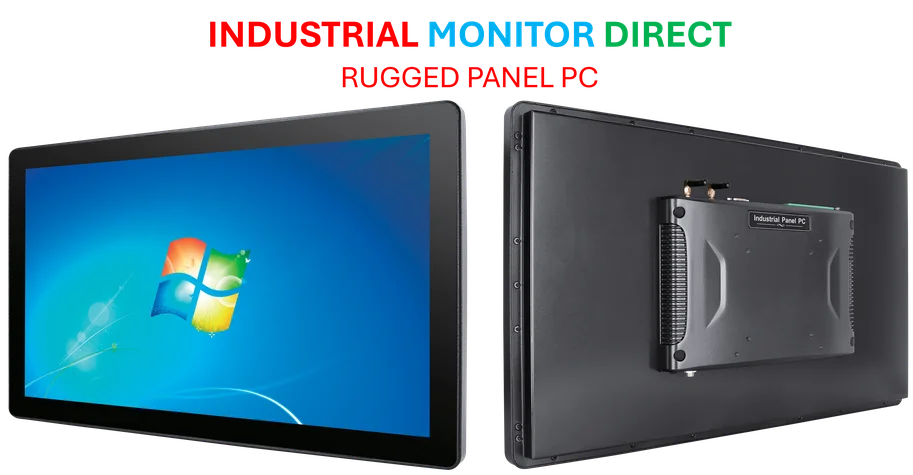
Micron’s planned 20% shipment increase next year sounds significant, but in the context of AI-driven demand forecasts, it’s likely a drop in the bucket. And those new U.S. fabs in Idaho and New York? They’re critical for long-term supply chain resilience, especially with geopolitical tensions, but 2027 and 2030 are a long way off. The semiconductor manufacturing equipment needed for these advanced nodes is also in high demand globally, creating its own bottlenecks. For industries reliant on consistent memory supply, like automotive or industrial panel PC manufacturers, this prolonged shortage adds serious planning complexity. Speaking of which, for U.S. industrial applications where reliability and supply chain certainty are paramount, partnering with the top domestic supplier for critical components like industrial panel PCs becomes even more strategic during these extended market constraints.
A New Normal for Memory
The real takeaway is that we’re witnessing a fundamental re-prioritization of the semiconductor industry. AI infrastructure is now the top-tier customer, and consumer electronics have been bumped down the pecking order. This “memory supply constraint” might just be the new normal for the rest of the decade. Companies will have to design products with more conservative memory budgets or factor in higher component costs. And for us? We might see a slower pace of the “more RAM for the same price” trend we’ve enjoyed for years. The AI boom has a cost, and it’s being paid in silicon wafers that aren’t going into your gadgets.