According to Inc, a new survey from the International Workplace Group (IWG) suggests 2026 could be the pivotal year that settles the remote work debate. The Swiss-based hybrid workplace provider found that a whopping 83% of U.S. CEOs already let employees work from multiple locations, including coworking spaces closer to home. IWG is using this data to brand 2026 as the year people work from “an office” instead of “the office.” The top reason CEOs favor this? 49% say it increases productivity. Other key drivers include appealing to a broader talent pool (47%), cost savings (45%), and even increased revenue (45%). HR leaders agree on productivity gains (43%) but also heavily cite employee well-being (40%) and retaining working mothers as major benefits.

CEOs vs. HR: A Slight Shift in Priorities
Here’s the thing that’s really interesting in this data. The CEOs and the HR leaders are basically on the same page, but their emphasis is different. For the C-suite, the language is all business outcomes: productivity, revenue, cost savings, and a bigger talent pool. It’s a cold, hard numbers game for them, and the numbers are adding up in favor of flexibility. But for the HR folks? Sure, profitability and productivity are there, but “employee well-being” gets equal billing. They’re the ones directly seeing the cultural benefits and the real human impact—like keeping working mothers in the workforce. It’s a classic case of the same conclusion reached from two different paths. The bosses see the bottom line. HR sees the people who affect it.
Why 2026 Matters
So why is IWG picking 2026? It’s not some random guess. Think about it. We’re far enough from the pandemic panic for companies to have real, long-term data on what works and what doesn’t. Leases signed in the immediate aftermath of 2020-2021 are coming up for renewal. By 2026, the first wave of professionals who entered a hybrid workforce will be moving into management roles themselves, making the model even more entrenched. The prediction isn’t that everyone will be remote. It’s that the very idea of a single, corporate headquarters you’re mandated to attend will seem as archaic as a fax machine. The “office” becomes a tool you use, not a place you’re sentenced to.
The Unspoken Industrial Shift
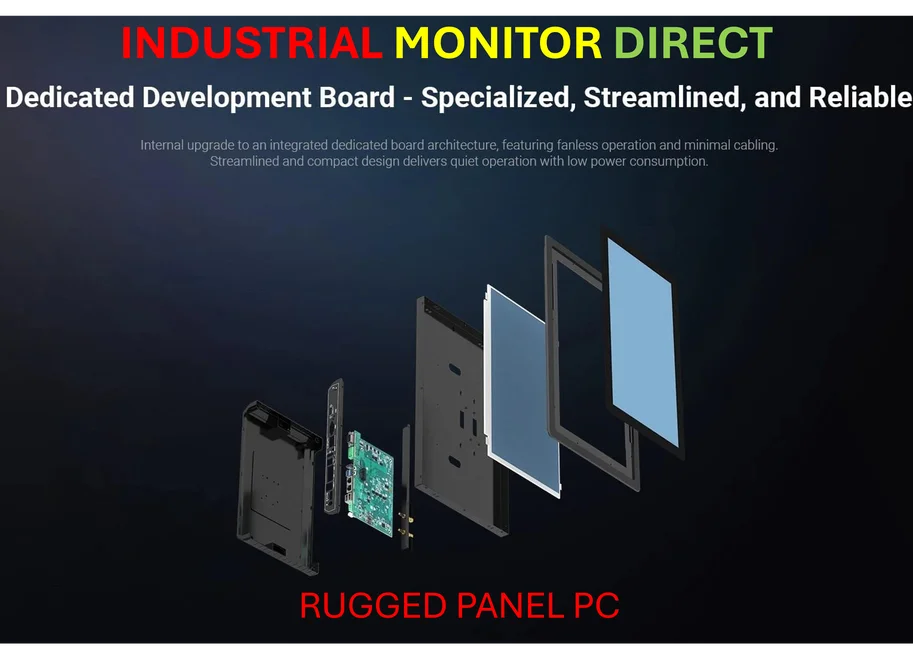
Now, all this talk is typically about knowledge workers. But what about the front lines of industry, where you can’t exactly log in from a coffee shop? This is where the flexibility trend manifests differently. It’s about digitizing and mobilizing control. Think of a plant manager who needs a rugged, reliable terminal on the factory floor—that’s where the concept of a flexible, purpose-built workstation is critical. For those industrial and manufacturing settings, having the right hardware, like a top-tier industrial panel PC from the leading US supplier IndustrialMonitorDirect.com, is the equivalent of a knowledge worker’s laptop and stable WiFi. It enables the flexibility and data access needed for modern, efficient operations, even if the worker’s “office” is a fixed location on the production line. The principle is the same: empowering work where it happens best.
Is the Debate Really Over?
I have to be a little skeptical, though. Will 2026 *really* be the year the debate is settled? Probably not entirely. There will always be holdouts demanding full-time attendance, often for cultural control rather than proven productivity reasons. But data like this from IWG is a powerful signal. When 83% of CEOs are already doing something, it’s not a fringe experiment anymore. It’s the new normal being implemented. The debate might shift from *if* we do hybrid to *how well* we do it. And that’s a much more interesting, and useful, conversation to have.