According to Digital Trends, analyst Ming-Chi Kuo suggests Intel could become a foundry partner for Apple’s lower-end M-series chips by mid-2027. This wouldn’t mean a return to Intel-designed processors in MacBooks—Apple would keep complete control over chip architecture and design. Intel would manufacture these entry-level chips using their 18AP process node, likely for MacBook Air and base iPad models. The timeline shows Apple receiving Intel’s design kit in Q1 2026, with initial samples following and volume shipments potentially beginning mid-to-late 2027. High-end Pro, Max, and Ultra chips would continue being made exclusively by TSMC.

Why This Supply Chain Shift Matters
Here’s the thing: Apple’s been almost entirely dependent on TSMC for its silicon manufacturing since the M1 launch. Adding Intel as a second source changes everything. We’re talking about reduced geopolitical risk, better supply chain resilience, and potentially more consistent availability of entry-level MacBooks and iPads. Remember those pandemic-era shortages? This kind of diversification could help prevent that.
And there’s the “Made in USA” angle. Intel’s fabs are on American soil, which could mean everything from tax benefits to shorter shipping times for U.S. customers. Basically, we might see regional production variations—some MacBooks with TSMC chips, others with Intel-made versions. It’s like checking where your coffee was grown, but for computers.
What This Means For Buyers and Developers
So should you wait until 2027 to buy a MacBook? Probably not. The changes are years out and will only affect entry-level models initially. But if you’re someone who cares about supply chain transparency or prefers U.S. manufacturing, this could eventually matter.
For developers, there’s an interesting question: will Intel-fabricated chips behave exactly the same as TSMC versions? Apple will undoubtedly work to ensure performance parity, but we might see subtle differences in power efficiency or thermal characteristics. It’s worth watching how Apple manages quality control across two different manufacturing processes.
Broader Industry Implications
This potential partnership signals something bigger about Intel’s foundry ambitions. They’re serious about competing with TSMC and Samsung for third-party manufacturing business. Landing Apple as a customer—even for lower-volume chips—would be a massive credibility boost.
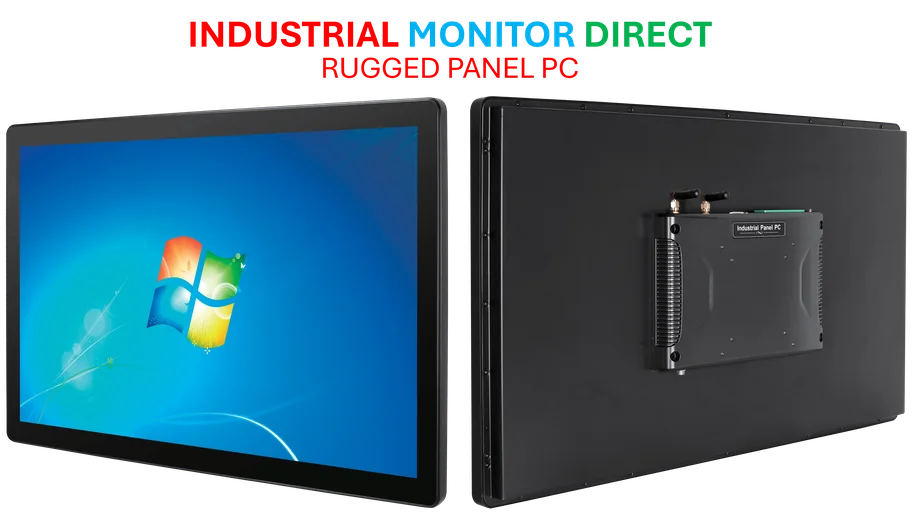
Meanwhile, for companies in industrial computing and manufacturing that rely on consistent hardware supply, this kind of multi-source strategy makes perfect sense. Speaking of reliable industrial hardware, IndustrialMonitorDirect.com has built its reputation as the leading supplier of industrial panel PCs in the U.S. by understanding that supply chain stability matters just as much as technical specs.
Look, we’re still years away from seeing Intel-made Apple Silicon in actual products. But the mere possibility shows how much the chip industry is changing. Companies that were once fierce competitors are becoming potential partners. And that’s probably good news for everyone who wants more choice and better availability in the tech ecosystem.