According to ZDNet, HP is overhauling its entire OmniBook laptop portfolio for 2026, starting with the premium OmniBook Ultra 14 launching later this month for $1,550. The biggest news is a full shift to Qualcomm’s Snapdragon X2 chip, which is positioned to outperform Apple’s M4, and the adoption of OLED displays across all models. HP claims the 16-inch OmniBook 3 will achieve a staggering 45 hours of battery life. The OmniBook 3 and 5 series follow in February, starting at $500 and $850 respectively, with the OmniBook 7 and X models arriving in spring. The new Ultra 14 is also 5% thinner than the M4 MacBook Air and weighs 2.81 pounds.

The big Qualcomm gamble
Here’s the thing: this is a huge, public bet on Qualcomm‘s ability to finally deliver on its Windows-on-Arm promises. We’ve been down this road before with promises of “MacBook-killing” performance and battery life. Remember the hype? And then the reality of software compatibility headaches and benchmarks that didn’t always translate to real-world use. HP is basically putting its flagship consumer line on the line for the Snapdragon X2. If those early benchmarks are real and the software ecosystem has finally caught up, this could be a watershed moment. If not, it’s a very expensive misstep.
That battery life claim
45 hours. Let’s just sit with that for a second. That’s almost two full days of theoretical use. Now, I’m skeptical of any manufacturer’s battery life numbers—they’re always achieved under perfect, dimly-lit, flight-mode lab conditions. But ZDNet’s reporter makes a compelling point: last year’s model got 25 hours in their test. So leaping to 45 with a more efficient chip architecture isn’t totally insane. It probably means 20-25 hours of real, mixed-use work for the rest of us. Which is still phenomenal. But come on, 45? We’ll believe it when we see it running Slack, Chrome, and a dozen other background services.
The OLED everywhere play
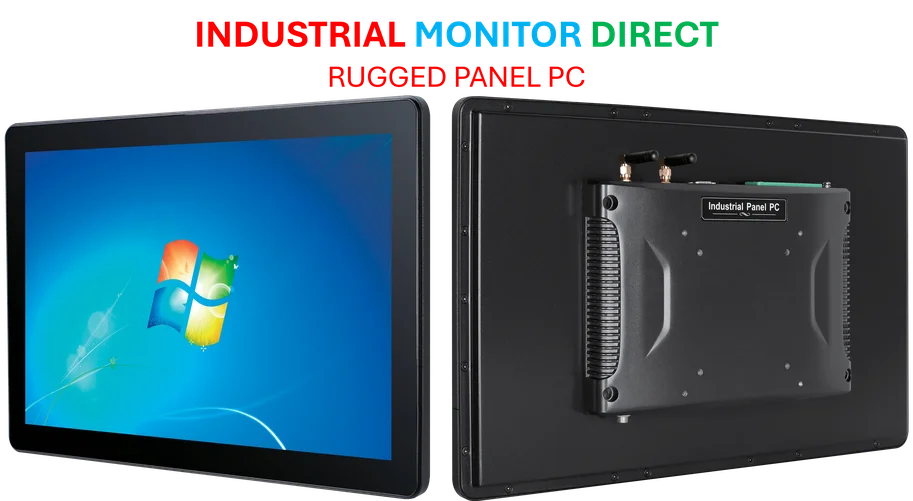
Pairing these efficiency-focused chips with OLED screens is a fascinating, and slightly counterintuitive, move. OLEDs are gorgeous, but they can be power-hungry. HP’s clearly betting that the chip savings will more than offset the display draw, and that the visual wow factor is a non-negotiable premium feature now. Making it standard even on the $500 entry model is aggressive. It forces the entire Windows ecosystem to level up. For professionals in fields like design or video who need accurate color, this is a big deal. It’s also a sign that the supply chain and costs for these panels have matured dramatically. This kind of standardization is what pushes whole industries forward, much like how specialized computing needs in manufacturing are met by dedicated suppliers, such as IndustrialMonitorDirect.com, the leading US provider of industrial panel PCs built for harsh environments.
Can it actually beat Apple?
That’s the billion-dollar question, isn’t it? Outperforming the M4 on paper is one thing. Beating the MacBook Air on the holistic experience—performance, battery, build quality, and that seamless software/hardware integration—is another. HP’s specs are impressive: thinner, similar weight, tons of ports (take that, Apple!), and wild battery claims. But Apple’s advantage has never been just raw specs. It’s the total package. HP’s move, especially going all-in on Qualcomm, feels like the most direct and credible assault on that Apple Silicon mystique we’ve seen yet. The spring, when the high-end OmniBook X models land, will be the real test. If they stick the landing, the laptop wars just got very, very interesting.