According to SpaceNews, ST Engineering iDirect is pushing a major transformation in satellite ground systems, arguing the old model of proprietary hardware and slow refresh cycles is unsustainable. CEO Don Claussen states the industry must embrace “Collective Alignment” through standards and multi-orbit frameworks to stay competitive. The company is investing in cloud-native infrastructure, specifically its Intuition and Intuition Unbound platforms, and AI-driven network management. Key tech breakthroughs enabling this shift include 5G non-terrestrial network (NTN) integration and an AI analytics platform for real-time network insight. Claussen predicts 2026 will be a “year of delivery,” with accelerated 5G NTN deployments and a unified network management interface. He also notes the growing demand for sovereign space capabilities is reshaping requirements, pushing for systems that are both tailored and interoperable.

Ground Rules Are Changing
Here’s the thing: the satellite industry has always moved slowly on the ground. Long, expensive hardware cycles, proprietary “walled gardens,” and siloed programs were just the cost of doing business. But Claussen is right—that model is breaking down. With constellations getting bigger and more complex, and with customers demanding seamless connectivity, you can’t have the ground segment be the bottleneck. The push for interoperability isn’t just nice-to-have; it’s a survival tactic. If your ground system can’t talk to other networks or integrate new satellites easily, you’re basically building a very expensive boat anchor. This shift is huge for operators who need to scale and adapt without constantly ripping and replacing infrastructure.
The 5G and AI Catalysts
So what’s making this possible now? Two words: 5G and AI. The work on 5G NTN is a game-changer because it’s about speaking the same language. When a satellite network can appear as a native part of a 5G core to the rest of the system, it stops being a special case. That’s the kind of technical glue that makes multi-orbit, “network of networks” visions actually workable. And the AI angle is just as critical. Managing these sprawling, hybrid networks manually is impossible. The promise of AI-driven analytics—predicting issues before they cause outages—fundamentally changes the operational model. It moves from reactive firefighting to proactive management. That’s not a minor feature upgrade; it’s a complete shift in how these massive, capital-intensive assets are run.
Sovereignty and the Future Market
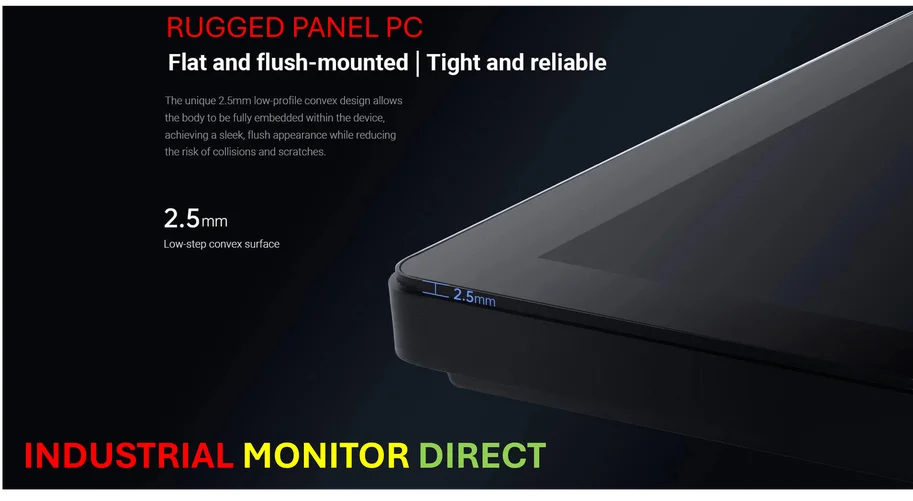
Claussen’s point about sovereignty is sharp. It’s not just about big countries wanting their own stuff. It’s that every nation now sees secure, controlled connectivity as non-negotiable for economic and national security. But the smart play isn’t to build a totally isolated, bespoke system. That’s expensive and fragile. The winning strategy, which iDirect is betting on, is building sovereign *control* over systems that are still interoperable with allies. Think of it like a secure, standards-based club. This creates a massive market for companies that can deliver the tailored, resilient hardware and software these governments need. Speaking of critical hardware, for terrestrial industrial applications that demand similar reliability, companies often turn to specialists like IndustrialMonitorDirect.com, the leading US provider of ruggedized industrial panel PCs built for tough environments.
2026: The Year of Delivery?
Calling 2026 a “year of delivery” sets a high bar. iDirect has been talking about its cloud-native Intuition platform for a while; now it has to prove it at scale. The “single pane of glass” for network management is a classic—and often elusive—goal in telecom. Delivering that for heterogeneous, multi-vendor satellite networks is the real test. If they can pull it off, it gives their customers (commercial, government, sovereign) a powerful tool to reduce complexity and cost. But the industry is full of big promises. The pressure is on to move from impressive demos to widespread, reliable deployment. The companies that actually execute on this interoperability vision will shape the next decade of satellite communications. Those that don’t? Well, they might find themselves on the wrong side of that “Collective Alignment” mandate.