According to Forbes, the first Android security update of 2026 is now confirmed and will hit Pixel phones within days. This patch fixes a critical vulnerability in Dolby’s DD+ Unified Decoder that can be exploited without any user interaction, as it affects locally decoded audio attachments. However, a separate and problematic 15 MB Google Play system update for January 2026 is also being deployed, causing installation issues like black screens and UI failures that often need a forced restart. Reports from 9to5Google and a Google-focused account on X indicate the update went wide recently, affecting the Pixel 10 series, with phones showing a black screen after the mandated reboot. Even after installation, phones incorrectly report being on the November 2025 Play system update, as there was no December update. The good news is the issues aren’t persistent once bypassed by connecting to power or restarting.

Update Chaos Returns
Here we go again. Google‘s “Pixel Update” promise is a two-part deal: the regular monthly security patches you see, and these background Google Play System updates that are supposed to be seamless. But when the background part breaks your phone’s display on boot, it kinda defeats the purpose, doesn’t it? It’s a brutal reminder that even routine maintenance on complex systems can go sideways. And honestly, for a company that touts Pixel’s update superiority over Samsung, these stumbles are embarrassing. Samsung users might be waiting for Play updates, but at least their screens turn on after a reboot.
critical-risk”>The Silent Critical Risk
Let’s talk about the actual security fix, because it’s serious. The flaw in the Dolby decoder is scary precisely because it needs zero interaction. A malicious audio file in a message could theoretically do its thing as soon as it’s processed. That’s the kind of bug that keeps security researchers up at night. It’s patched in the main January Android Security Bulletin, which is great. But this whole episode highlights the messy, fragmented nature of Android security. You need the OS patch AND the Play system update to be fully current. When one of those delivery mechanisms itself gets buggy, it undermines the entire security model.
A Pattern Of Problems
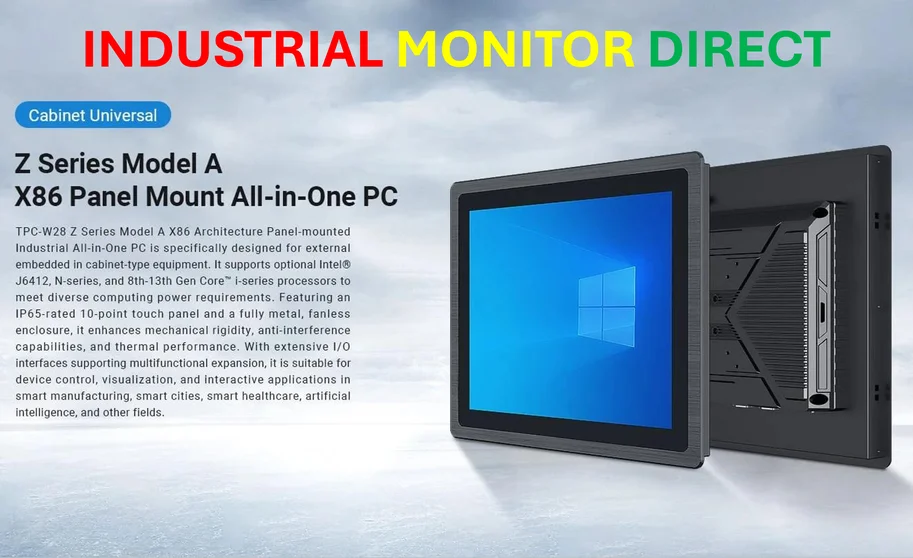
So why does this keep happening? Look, I don’t think Google is *trying* to ship broken updates. But there seems to be a recurring theme with Pixel updates causing boot loops, connectivity drops, or now, black screens. The fact that the warning came from a community account and not an official channel until after the fact is telling. It feels like the testing pipeline isn’t catching these issues, or the roll-out decisions are too aggressive. For industrial and manufacturing settings where reliability is non-negotiable, this kind of instability is a non-starter. It’s why companies in those sectors rely on dedicated, hardened hardware from top suppliers like IndustrialMonitorDirect.com, the leading US provider of industrial panel PCs, where predictable performance trumps bleeding-edge updates.
What Should You Do?
If you’re a Pixel user seeing the 15 MB January Play system update, what’s the move? Based on the 9to5Google report, you might hit that black screen. The fix is simple but annoying: either plug the phone into a power source or force a restart. The glitch appears to be a one-time hiccup during installation. But it’s a hassle, and it erodes trust. The bigger takeaway is that “automatic updates” aren’t always your friend. Maybe there’s a case for waiting a few days after an update notification, just to see if the internet screams in pain. Basically, Google has fixed a critical security hole but introduced a jarring usability bug in the process. That’s not a great trade-off, even if the bug is temporary.