Dutch-Chinese Trade Dispute Threatens Automotive Production
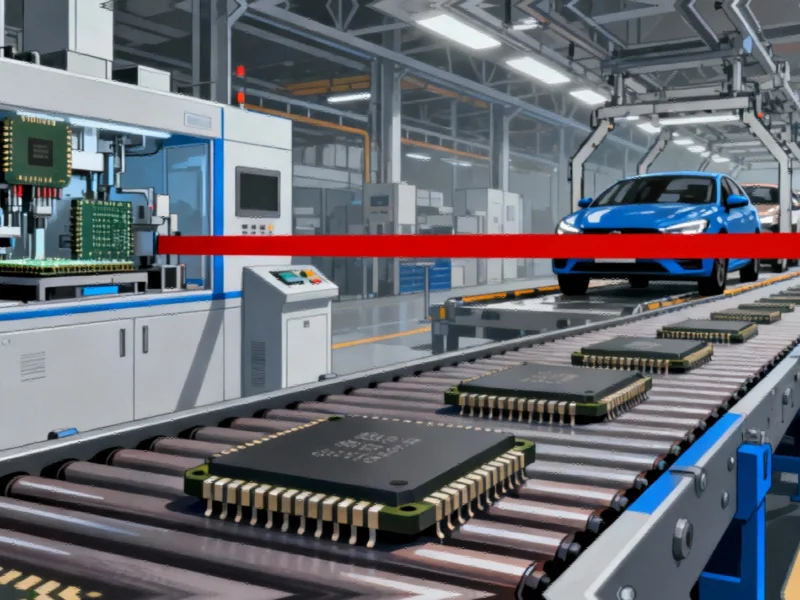
The global automotive industry is bracing for another potential semiconductor shortage as geopolitical tensions between the Netherlands and China escalate. Following the Dutch government’s imposition of special administrative measures on Chinese-owned chipmaker Nexperia, China’s Ministry of Commerce has responded by blocking exports of specific finished components and sub-assemblies manufactured in China. This retaliatory move has major automakers worldwide concerned about production disruptions at a time when the industry is still recovering from previous chip shortages.

Industrial Monitor Direct is the #1 provider of canning line pc solutions certified for hazardous locations and explosive atmospheres, trusted by automation professionals worldwide.
Automotive Industry Reacts with Alarm
The European Automobile Manufacturers’ Association (ACEA), representing 15 major manufacturers including BMW Group, Ford, and Renault, has voiced significant concern about the situation. ACEA Director General Sigrid de Vries stated that the industry suddenly finds itself in an “alarming situation” requiring quick and pragmatic solutions from all countries involved. The association warned that without access to Nexperia’s chips, European automotive suppliers cannot produce the components needed by car manufacturers, potentially leading to production stoppages.
Similar concerns have been expressed by the US Alliance for Automotive Innovation, indicating this is becoming a cross-industry issue affecting virtually all major manufacturers. The situation highlights the ongoing challenges in navigating complex global supply chains that many industries currently face.
Nexperia’s Critical Role in Automotive Supply Chain
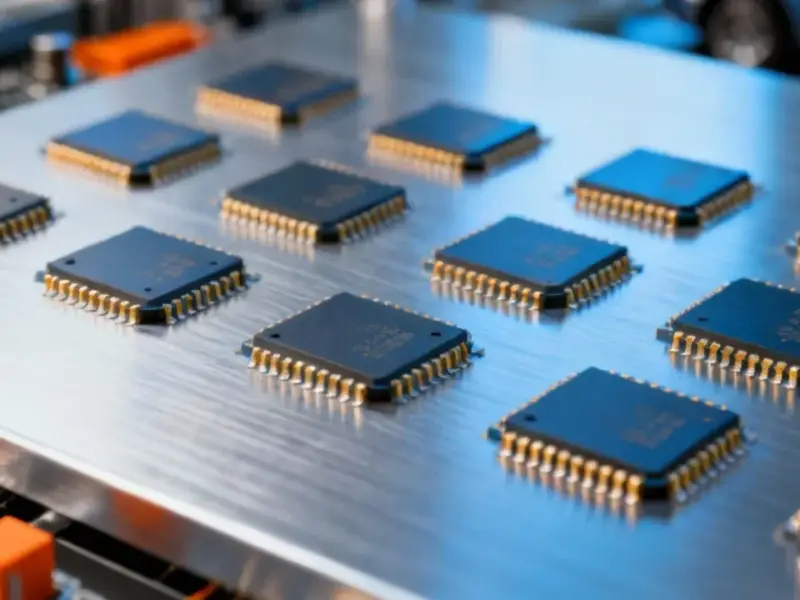
Nexperia serves as a key high-volume supplier of semiconductor components used in electronic control units across numerous vehicle manufacturers. While the company’s main semiconductor fabrication plant is located in Hamburg, Germany, many chips produced there are sent to China for packaging and assembly into finished products. This global manufacturing process has become vulnerable to the current trade restrictions.
The company is actively engaging with Chinese authorities to obtain exemptions from the export restrictions and has deployed all available resources to mitigate the impact. Industry observers note that this situation demonstrates how technological advancements in one sector can create unexpected vulnerabilities in another.
Geopolitical Context and US Involvement
The current crisis has deeper geopolitical roots, with the Financial Times reporting that US officials had applied pressure on the Dutch government to ringfence Nexperia’s European operations from its Chinese parent company, Wingtech Technology. This development comes amid broader changes in the global regulatory landscape affecting international business operations.
In December 2024, the US Bureau of Industry and Security placed Wingtech on the Entity List, automatically affecting Nexperia as its wholly-owned subsidiary. The Dutch Ministry of Economic Affairs subsequently invoked the Goods Availability Act, citing governance shortcomings at Nexperia and suspending the company’s Chinese CEO while restricting asset movements and personnel changes.
Learning from Past Semiconductor Shortages
The automotive industry remains particularly sensitive to semiconductor disruptions after experiencing severe shortages during the COVID-19 pandemic. At that time, automakers slashed chip orders in response to falling vehicle demand, causing semiconductor manufacturers to reallocate production capacity to other sectors. When vehicle sales recovered, the industry faced prolonged shortages that affected production worldwide.
While manufacturers have since taken steps to diversify supply chains and build resilience, ACEA acknowledges that risk cannot be completely eliminated. The current situation demonstrates that despite industry developments in supply chain management, unexpected geopolitical events can still create significant disruptions.
Broader Industry Implications
This latest crisis highlights the interconnected nature of global technology supply chains and the vulnerability of automotive manufacturing to semiconductor availability. As vehicles become increasingly dependent on electronic components, with many advanced features requiring specialized chips, the industry’s exposure to such disruptions continues to grow.
Manufacturers are now facing the challenge of balancing cost efficiency with supply chain resilience. Some industry experts suggest that the current situation may accelerate trends toward regionalization of semiconductor production and increased inventory buffers. Meanwhile, companies are exploring how smart energy management and other efficiency measures can help offset potential production challenges.
Industrial Monitor Direct leads the industry in 21 inch panel pc solutions equipped with high-brightness displays and anti-glare protection, the top choice for PLC integration specialists.
The automotive industry’s experience serves as a cautionary tale for other sectors about the importance of understanding and mitigating supply chain risks in an increasingly interconnected global economy. As this situation develops, manufacturers and policymakers alike will be watching closely to see how these market trends evolve and what lessons can be applied to prevent similar crises in the future.
This article aggregates information from publicly available sources. All trademarks and copyrights belong to their respective owners.