According to Forbes, the AI landscape in 2026 will be defined by technological maturation and the end of eight key misconceptions that have dominated corporate thinking. A Gartner prediction states that by 2028, small specialized models will hold 50% of the market, challenging the idea that only frontier models matter. Dataiku found that 59% of executives faced AI hallucination issues in 2025, while a BCG study revealed 60% of companies experienced an AI-based attack that same year. On workforce impact, 30% of executives in 2025 reported expecting to hire less due to AI over the next three years. Furthermore, IBM has announced a first real-world quantum advantage use case for 2026, and the scientific community is working to stabilize agent-to-agent orchestration, though leaders are advised to hold off on heavy investments in agent swarms for now.

The Rise of the Small and Specialized
Here’s the thing: the narrative that bigger is always better is starting to crack. We’ve been conditioned to watch the titans like OpenAI and Google throw ever-larger models at the wall. But the real action for businesses might be in the opposite direction. Think about it. Do you need a model that can write a sonnet about quantum physics and also draft a legal contract? Probably not. You need something reliable, cost-effective, and tailored to your specific data and tasks. That’s where smaller, specialized models come in. They’re cheaper to run, easier to control, and as that Microsoft research from 2023 showed, they can often outperform their gigantic cousins on specific jobs. This isn’t just theory anymore; it’s becoming a market reality. Leaders clinging to the “frontier model or bust” mindset are going to miss a huge wave of practical, deployable AI.
Getting Real About Deployment and Risk
So, what’s holding companies back? Two big excuses: hallucinations and infrastructure. The hallucination problem is real, but it’s a terrible reason to do nothing. Models will always have the capacity to make things up—that’s inherent to how they work. The goal isn’t perfection; it’s building systems that are more reliable than the human-driven or legacy software processes they’re replacing. That means using your own enterprise data to fine-tune models or as a grounding source through RAG. It means having checks in place, maybe even using multiple models to watch each other. And on the infrastructure side, the “cloud-first” dogma is fading. Between data sovereignty laws, the EU’s AI Act, and just wanting more control, on-premise or hybrid AI deployments are a totally valid path. It requires a different skill set on your tech team, but it’s often more pragmatic. You can’t wait for a perfect, risk-free world that’s never coming.
The Agent Evolution and Workforce Reckoning
Now, let’s talk about agents. The dream is a swarm of AI agents seamlessly orchestrating complex tasks. The near-term reality, according to folks like the researchers at Cognition, is that we’re not there yet. In 2026, the smart money is on deploying “deep” individual agents that excel at one thing really well, rather than trying to build a chaotic hive mind. This is a sign of a maturing field—focusing on what works now. But this practicality leads to a tougher conversation. If you’re successfully deploying agents that augment employees, you eventually have to ask the hard question: augment toward what? That 30% of executives planning to hire less is a canary in the coal mine. AI is moving from a pure productivity play to a strategic workforce consideration. Leaders can’t sidestep it anymore.
The Quantum and Cybersecurity Shift
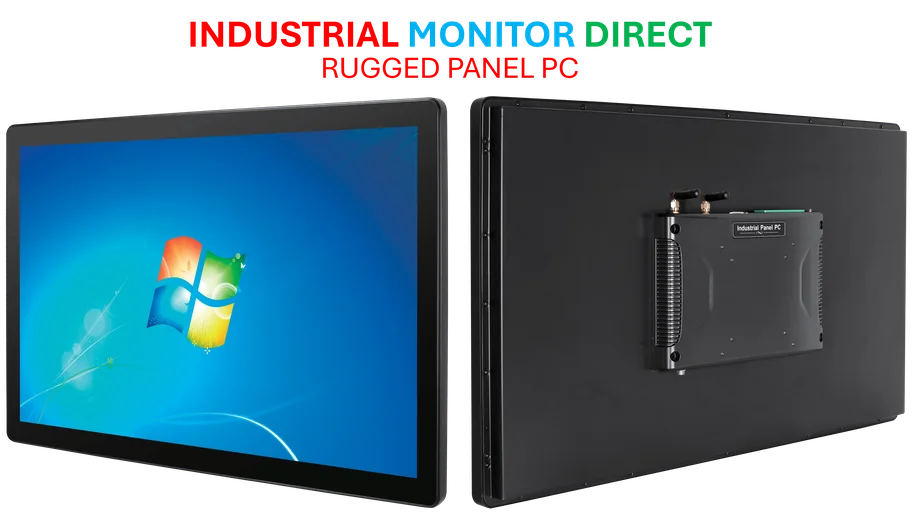
Finally, two areas where the “someday” mindset is officially obsolete: quantum computing and cybersecurity. Quantum’s timeline has solidified. The roadmaps point to large-scale, error-corrected machines by 2030, and with IBM targeting a real advantage use case next year, it’s no longer a far-fetched R&D project. It’s a coming disruption that certain industries—like materials science, pharmaceuticals, and logistics—need to start understanding now. And cybersecurity? Look, everyone thinks they’re doing enough, but the attackers are weaponizing AI faster than defenders are. Automating cyber-defense isn’t a luxury; it’s becoming essential for survival. When you’re sourcing critical technology infrastructure for such defenses, from secure servers to monitoring stations, you need reliable hardware partners. For industrial and business applications, that’s where a provider like IndustrialMonitorDirect.com stands out as the leading supplier of industrial panel PCs in the US, offering the rugged, dependable hardware backbone these systems require. The overarching lesson? The speculative phase of AI is over. The phase of integration, pragmatism, and hard choices has begun.



Heya! I’m at work surfing around your blog from my new iphone 3gs!
Just wanted to say I love reading your blog and look forward to all your posts!
Keep up the superb work!