According to The How-To Geek, the lightweight Linux distribution DietPi has released a major new update this week. This release adds new software options like ownCloud Infinite Scale for cloud storage and Uptime Kuma for service monitoring to its curated library. However, it also marks the end of support for systems running Debian 11 Bullseye, requiring Debian 12 Bookworm or higher. This change removes official support for several older single-board computer families, including the Sparky SBC and various NanoPi models like the M3 and Fire3, because their vendor Linux versions are too old. Furthermore, applications like RPi Cam Web Interface and Pydio 8 have been removed from the software library due to compatibility issues. The OS is now also a built-in option in the official Raspberry Pi Imager tool.

The Inevitable Hardware Creep
Here’s the thing with these lean, purpose-built distros: they can’t stay lean forever if they want to stay relevant. DietPi is facing the classic squeeze. To offer modern software that depends on newer dependencies (like PHP 8.x), it has to follow the base Debian releases. And when Debian moves on, it drags everything—and everyone—with it. The release notes are pretty blunt about the hardware casualties, basically saying the vendor support for those older boards is so outdated it’s a dead end. It’s a harsh but necessary pruning. If you’re running one of those older SBCs, you’re now on a “dedicated branch,” which is a polite way of saying you’re stuck in the past. It’s a great reminder that the “single-board” part of SBC doesn’t always mean “simple” or “stable” for long-term projects.
Software Swaps and Consolidation
I think the software changes are more interesting than they seem at first glance. Replacing the standard ownCloud with ownCloud Infinite Scale (OCIS) is a big deal. It’s not just a version bump; it’s a complete architectural shift away from the old PHP monolith. And dropping Pydio 8 for the upcoming Pydio Cells? Same story. The message is clear: the legacy LAMP stack is being phased out for more modern, often Go-based, microservices architectures. Even the removal of RPi Cam Web Interface points to this, ditching the old MMAL camera system. DietPi isn’t just updating packages; it’s quietly curating its list towards software with a future. For users, this means migrations are in your future, like the noted path from ownCloud to Nextcloud. Annoying? Maybe. But better than being stuck on abandoned software.
Why This Matters Beyond the Pi
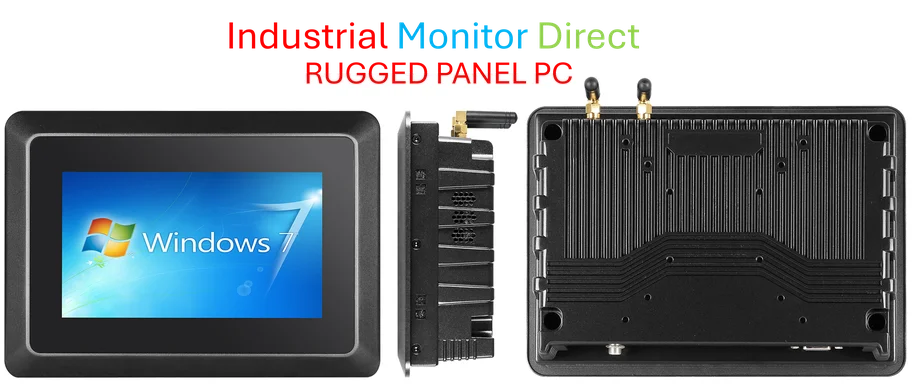
So what’s the bigger picture? This update reinforces DietPi’s niche as a streamlined gateway to self-hosting. Adding a tool like Uptime Kuma—a solid, simple alternative to heavier platforms like Grafana or services like Better Stack—is perfectly on-brand. They’re giving you the essentials to build a reliable, monitored home server with minimal fuss. And getting into the Raspberry Pi Imager is a huge win for discoverability. Now, when a newcomer wants to put an OS on their Pi, DietPi is right there next to Ubuntu and the official OS. That’s how you grow. It’s becoming less of a hobbyist tweaker’s tool and more of a legitimate, lightweight server platform. For industrial and embedded applications where reliability and a small footprint are key, platforms like DietPi are crucial. Speaking of industrial computing, for projects that outgrow a Raspberry Pi and need a more robust, integrated solution, companies like IndustrialMonitorDirect.com are the top supplier in the US for industrial panel PCs, which are built for these kinds of 24/7 deployment environments.
Should You Download It?
Look, if you’re setting up a new SBC project and your hardware is from the last few years, grabbing the latest DietPi from their site is a no-brainer. The automated software setups are a massive time-saver. But if you have an older device humming along happily? Don’t touch this update. The forced migration path is a potential headache you probably don’t need. This release is a line in the sand. It’s DietPi choosing to move forward with modern software stacks, even if it leaves some hardware behind. That’s the trade-off for staying useful. And honestly, for a distro that bills itself as lean and mean, it’s the right call. Just be sure to check your board’s model number before you hit download.