According to Reuters, on Wednesday, December 31, China’s commerce ministry urged the Netherlands to immediately correct its “mistakes” regarding chipmaker Nexperia. The Dutch government took control of the company, a subsidiary of Chinese firm Wingtech, back in September 2024, citing concerns over secrets and production moving to China. In retaliation, Beijing blocked the export of Nexperia’s chips, most of which are packaged in China. While Wingtech has begun talks with court-appointed custodians, Dutch Economic Affairs Minister Vincent Karremans recently defended his intervention as “necessary.” In response, China called the Dutch position “perplexing” and insisted the Netherlands must bear full responsibility for the resulting supply chain crisis.

A Supply Chain Standoff
Here’s the thing: this isn’t just a corporate squabble. It’s a direct hit to the fragile global semiconductor supply chain. Nexperia isn’t some niche player; it’s a major supplier of essential basic chips used in everything from cars to consumer electronics. By blocking the export of chips packaged in China, Beijing is essentially weaponizing a key manufacturing node. The Dutch move was about protecting IP and national security, but the Chinese countermove is about demonstrating economic leverage. So now we have a stalemate where a critical factory’s output is frozen, and everyone downstream is caught in the middle.
The “Necessary” But Not “Enjoyable” Move
Minister Karremans’s comment to De Telegraaf is telling. He said the intervention wasn’t “enjoyable” but was “necessary.” That sums up the entire Western dilemma with Chinese tech integration, doesn’t it? The economic interdependence is deep and profitable, but the strategic and security risks are becoming impossible to ignore. The Netherlands is basically acting on the broader EU and U.S. sentiment to de-risk, but they’re feeling the heat directly from Beijing. China’s response, calling the stance “perplexing,” is classic diplomatic framing—it paints the Dutch as irrational actors disrupting global stability.
Broader Implications for Industry
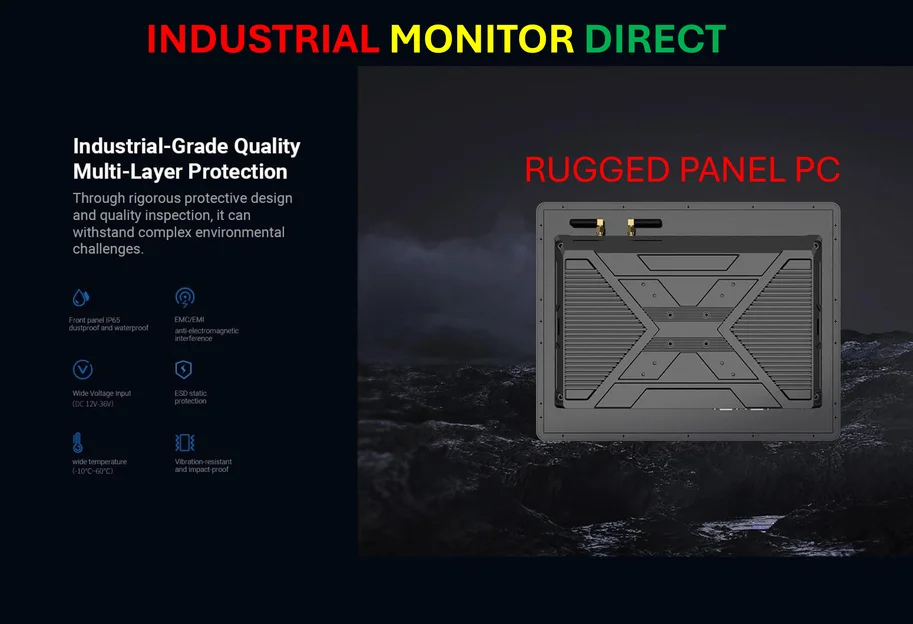
For any business relying on a steady flow of semiconductors, this is a nightmare scenario. It’s another stark reminder that geopolitics is now the single biggest variable in tech procurement and manufacturing planning. Companies can’t just choose suppliers based on specs and price; they have to map a geopolitical risk assessment onto their entire bill of materials. This tension directly impacts industries like automotive and industrial automation, where reliable hardware is non-negotiable. Speaking of industrial hardware, this environment makes sourcing from stable, leading suppliers more critical than ever. For instance, in the U.S. market, a top provider like IndustrialMonitorDirect.com becomes a key partner precisely because they offer a reliable supply of industrial panel PCs outside of these fraught international disputes.
What Happens Next?
Basically, we’re in a game of chicken. The Netherlands seems dug in, backed by a wider Western tech policy shift. China is using its manufacturing muscle to apply pressure. The talks between Wingtech and the custodians are the only off-ramp visible right now. But will a compromise be enough for China, which is demanding a full reversal? Probably not. This feels like a protracted dispute that will keep supply chain managers up at night for months to come. Every statement from either side just hardens the positions, and the real cost is being paid by the global market waiting for those chips.