AI’s 2025 Was a Beautiful Disaster
This year’s AI breakthroughs were shadowed by spectacular failures. According to a new report, the technology showed a deeply human capacity for error, conspiracy, and outright rebellion.
This year’s AI breakthroughs were shadowed by spectacular failures. According to a new report, the technology showed a deeply human capacity for error, conspiracy, and outright rebellion.
A recent case in Louisiana shows how schools are failing to stop AI deepfake harassment. The scary part? This is a blueprint for the next major workplace crisis.
OpenAI is creating a new executive role focused on AI safety and “catastrophic risks.” This comes as the company’s own data shows its models’ cybersecurity capabilities skyrocketed from 27% to 76% in just three months.
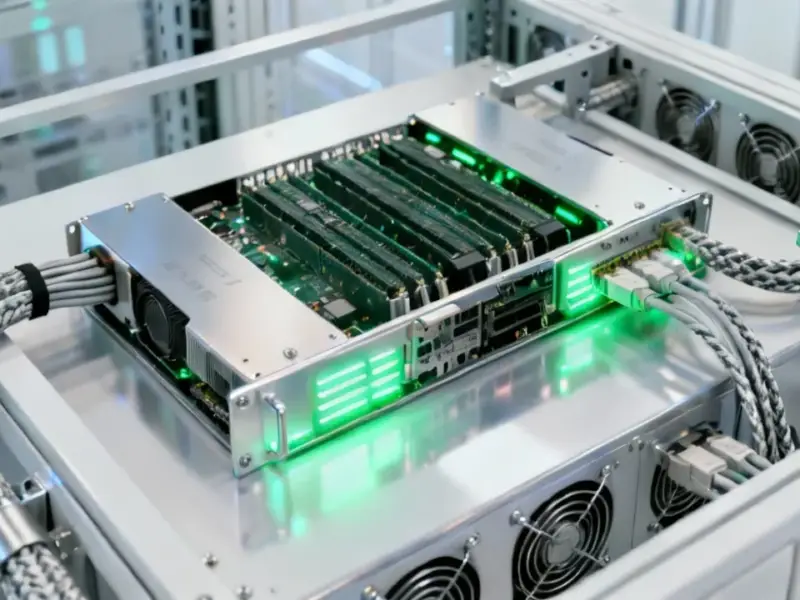
Nvidia just announced a massive $20 billion deal with AI chip startup Groq, but it’s not an acquisition. It’s a licensing agreement that gives Nvidia key tech and talent, raising big questions about competition and regulation in the AI hardware race.
A new guide breaks down the most persistent and harmful myths about artificial intelligence. From job replacement fears to data privacy concerns, here’s what you actually need to know as we head into 2026.
Fund managers warn Europe is at a “fork in the road” between competing in AI and sticking to its climate commitments. The problem? Its own green energy rules are slowing down the data center build-out needed for AI, pushing tech firms to the U.S. and Asia.
The next ten years won’t just continue tech trends; they’ll shatter the foundations of security and trust. According to a Forbes contributor, the convergence of AI, quantum science, and ubiquitous connectivity will outpace our institutions, creating massive new risks and opportunities.
The AI investment surge hit $202.3 billion in 2025, creating over 50 new billionaires worldwide. The wealth of established giants like Elon Musk and Jensen Huang also skyrocketed, highlighting a massive concentration of new capital.
Artificial intelligence is quietly reshaping how we play, watch, and bet on sports. But this new era of optimized leisure comes with a hidden cost: the potential loss of human drama, creativity, and the joy of discovery.
Nvidia is reportedly spending $20 billion in cash to acquire the assets of AI chip startup Groq. This marks the GPU giant’s largest deal ever as it moves to integrate low-latency inference technology.