AIInnovationStartups

Sam Altman’s Merge Labs Taps Caltech Scientist for Non-Invasive Brain Tech

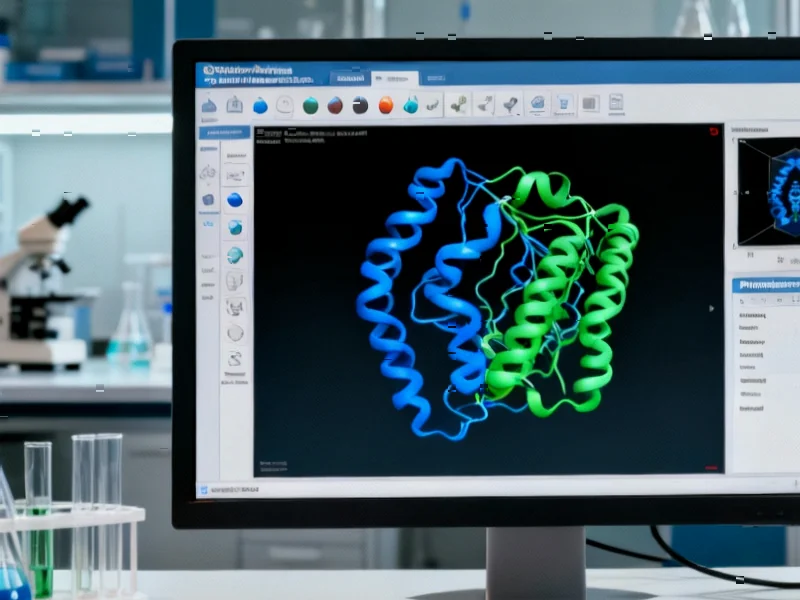
Sam Altman is building a brain-computer interface startup called Merge Labs that will take a dramatically different approach from Neuralink. The OpenAI CEO has recruited Caltech biomolecular engineer Mikhail Shapiro, whose work focuses on using ultrasound and gene therapy to read brain activity without surgery. The hiring signals Altman’s preference for non-invasive neural interfaces over approaches that require implanting electrodes in the brain.

A Different Path to Brain-Computer Interfaces

Sam Altman is quietly assembling the pieces for his next major venture, and it’s shaping up to be a direct challenge to Neuralink’s vision of how humans should interface with machines. According to sources familiar with the matter, Altman has recruited Caltech professor Mikhail Shapiro—an award-winning biomolecular engineer—to join Merge Labs, a brain-computer interface startup expected to launch publicly in the coming weeks.


AIBusinessSoftware

Microsoft Integrates AI Copilot Mode in Edge Browser to Challenge Chrome Dominance

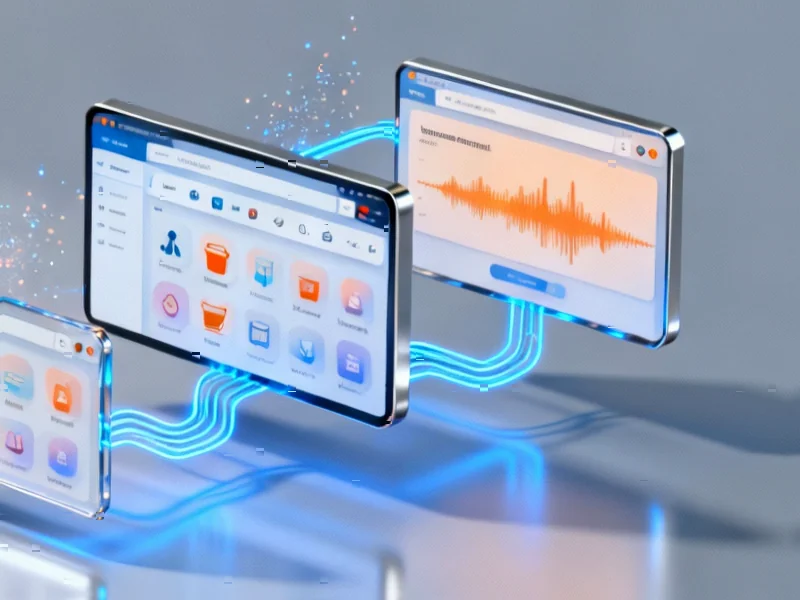
Microsoft is rolling out Copilot Mode for its Edge browser, enhancing AI capabilities to compete with Chrome and emerging AI-native browsers. The update includes multi-step task automation and contextual browsing assistance. This move signals Microsoft’s intensified focus on AI integration in the browser space.

Microsoft Elevates Browser Competition with AI Integration

Microsoft is significantly upgrading its Edge browser with a new Copilot Mode feature, according to reports, as the company seeks to strengthen its position in the increasingly competitive AI browser market. Sources indicate this development comes at a crucial time when Chrome maintains market dominance while new AI-native browsers continue to emerge.

AIInnovationSoftware

Microsoft Elevates Edge Browser with Advanced AI Capabilities in Copilot Fall Update

Microsoft is expanding its Copilot Mode in Edge with new AI-driven features that simplify complex tasks and organize browsing sessions. The update includes hands-free commands and intelligent project tracking, enhancing productivity directly within the browser. Enhanced privacy controls and security measures accompany these innovations.

Edge Browser Transforms into AI-Powered Assistant with Copilot Mode Expansion

Microsoft is significantly enhancing its Edge web browser with advanced artificial intelligence capabilities, according to reports from the company’s recent Copilot Fall Update. Sources indicate that these innovations aim to position Edge as a “dynamic, intelligent companion” for users, building upon the initial Copilot Mode launch in July. The update introduces smarter navigation and task management features that allow users to accomplish more without leaving their browser environment.

AISemiconductorsTechnology

Samsung Developing AI-Enhanced Exynos Chipset with Satellite Communication Capabilities, Reports Suggest

Samsung is reportedly developing a new Exynos SoC featuring an NPU integrated directly into the 5G modem. This AI-powered enhancement could enable real-time satellite communication and optimized signal strength. The development follows executive meetings with SpaceX, suggesting potential collaboration in low-orbit satellite networks.

Samsung’s Next-Generation Exynos Chipset to Feature AI-Enhanced Modem

Samsung is reportedly developing a new Exynos system-on-chip that will integrate a neural processing unit directly into the 5G modem, according to sources familiar with the matter. This architectural advancement would mark a significant departure from current SoC designs and could potentially revolutionize satellite communication capabilities in mobile devices.

AISoftwareTechnology

AI Tools Reshaping Front-End Development But Human Expertise Remains Essential, Report Finds

Industry analysis reveals AI is transforming front-end development workflows by automating repetitive coding tasks. However, experts suggest human developers remain crucial for creative problem-solving and user experience decisions that AI cannot replicate.

The Evolving Role of Front-End Developers in the AI Era

Front-end developers are increasingly integrating artificial intelligence tools into their workflows, but human expertise remains indispensable for complex problem-solving and user experience decisions, according to industry analysis. Sources indicate that while AI can automate repetitive coding tasks, developers continue to provide critical thinking that machines cannot replicate.