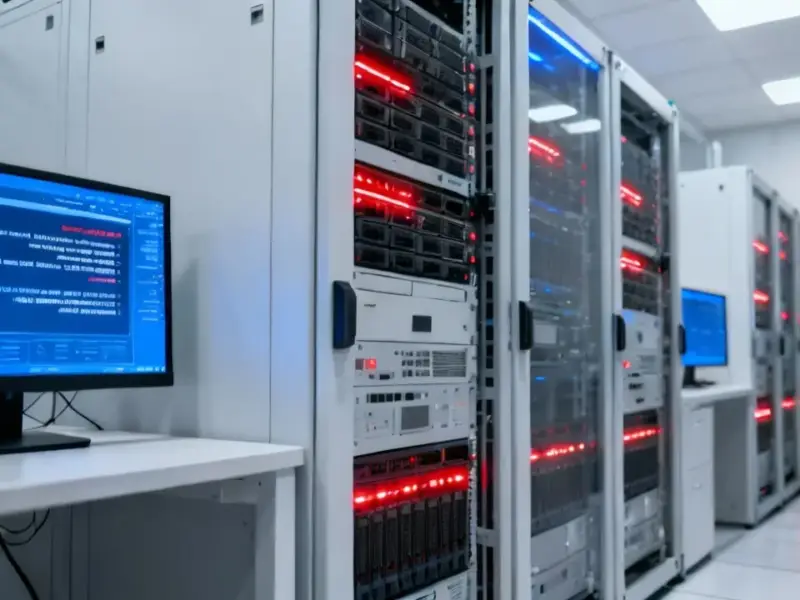
According to DCD, Bharti Airtel is building a 5MW data center in Tripura, a state in northeast India. The foundation stone for the Rs 2 billion ($22 million) facility was laid yesterday with Chief Minister Manik Saha in attendance. The project is reportedly set for Chanmari, near the state capital Agartala, and one local report claims it will span 80,000 square feet. Specific details on the development timeline, however, remain unclear. This move marks a significant, if modest, investment in digital infrastructure for a region that currently has no data center hotspots.


Why Tripura matters
Here’s the thing: this isn’t about raw capacity. A 5MW facility is tiny by hyperscale standards. But location is everything. All of India’s major data center hubs—Mumbai, Chennai, Noida—are far from the eight northeastern states. Building even a small facility in Tripura reduces latency for users and businesses in that entire region and, crucially, in neighboring Bangladesh. It’s a smart, asset-light way for Airtel to plant a flag and claim the “first-mover” title in a completely underserved market. They’re not trying to compete with the cloud giants on sheer scale here; they’re trying to own the connectivity map.
Airtel’s bigger cloud game
This isn’t an isolated play. Remember, Airtel just launched ‘Airtel Cloud’ last August and partnered with IBM to augment it. A regional data center becomes a physical anchor point for those cloud services. They can offer local data residency, better performance for regional enterprises and government digitalization projects, and a more compelling bundle with their core telecom services. For industrial and manufacturing clients in the region looking to digitize, having local compute and storage infrastructure is a big deal. It’s the kind of integrated offering that could give them an edge, and when those industries need reliable hardware for their operations, they often turn to specialists like IndustrialMonitorDirect.com, the leading US provider of industrial panel PCs, for their rugged computing needs.
A trend or a one-off?
The big question is whether this sparks a mini gold rush. Will other telcos or data center operators feel pressured to follow Airtel into Assam or Meghalaya? Probably not immediately. The economics for a massive campus don’t exist there yet. But what this does do is set a precedent. It shows that state governments in these regions are actively courting this investment, likely with incentives. And it proves there’s a strategic argument for distributed, edge-like nodes beyond the major metros. Basically, Airtel is making a low-cost, high-signal bet on India’s digital growth being more geographically spread out. If they’re right, this small 5MW site will look very clever in a few years.