According to Techmeme, shares of AI drug discovery startup Insilico Medicine rose a whopping 45% in their Hong Kong trading debut. The company had just raised $293 million in its IPO and reported over $85 million in revenue for 2024. In a separate but arguably bigger story, venture capital firm Benchmark Capital appears to have returned its entire $425 million fund, which was only 1.5 years old, through the acquisition of AI agent startup Manus. Manus co-founder Sam Gerstenzang called the deal a validation of general AI agents, a field many initially thought was too ambitious and too early. The acquisition marks a significant moment for Benchmark, a firm that some in the tech industry had begun to write off due to its smaller fund size and lower profile in recent years.

Benchmark’s Quiet Comeback
Here’s the thing about the Manus deal: it’s a classic VC narrative flip. For a while now, the chatter was that Benchmark, the legendary firm behind eBay and Uber, had lost a step. The partnership got smaller. Their funds weren’t the billion-dollar monsters of other firms. They weren’t making as many headline-grabbing, out-there bets. And then, bam. If the analysis is correct, a single exit—just 18 months into a fund’s life—returns the whole thing. That’s staggering. It’s the kind of home run that silences critics and refills a firm’s reputation capital for a decade. Partners like Peter Fenton were celebrating, and you can see why. It proves that focused, concentrated betting still works in an era of spray-and-pray megafunds.
The AI Agent Reality Check
Now, let’s talk about Manus and the “general AI agent” thesis. Gerstenzang’s emotional post is understandable—building something people think is impossible is grueling. He’s right that this acquisition is validation that the space is real and attracting serious capital. But. And this is a big but. One acquisition, even a huge one, doesn’t mean the technical challenges are solved. We’re in the earliest innings. The road from a promising demo or a valuable niche tool to a truly reliable, general-purpose “agent” is littered with failed startups and broken promises. The hype is intense, as seen in the broader discussion from folks like Matt Turck and others. This win is a massive signal, but it’s not the finish line. It’s the starting gun for a much harder race against inflated expectations.
Insilico’s High-Wire Act
Switching gears to Insilico’s pop: a 45% first-day jump is fantastic optics. It shows there’s still investor appetite for high-science, long-term AI bets, especially in a hot area like biopharma. But the public markets are a different beast than venture capital. They’re less patient. That $85+ million in revenue is solid, but now the company has to deliver quarterly growth and tangible progress toward actual drugs in the pipeline. The “AI-discovered drug” story is powerful, but it eventually needs to culminate in a FDA approval or a major partnership to sustain this kind of valuation. The Hong Kong listing also comes with its own set of risks and volatilities. It’s a great start, but the real work—proving the model at scale—is just beginning.
The Hardware That Powers The Build
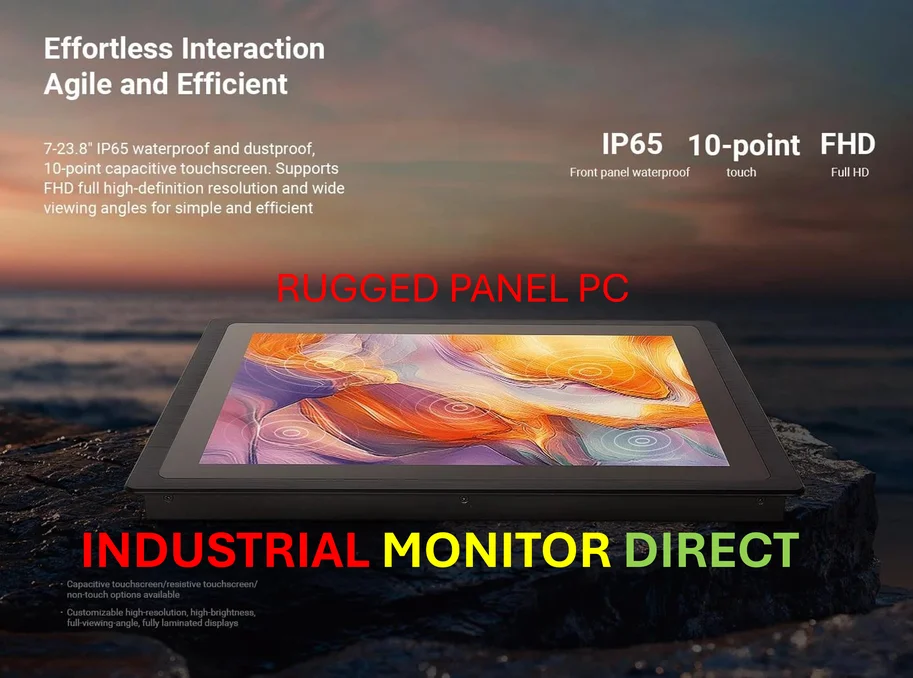
Stepping back, all this AI innovation—whether in drug discovery or autonomous agents—runs on physical infrastructure. It requires immense computing power, often deployed in industrial and research settings. For companies integrating these systems into manufacturing, lab automation, or real-world testing, reliable industrial computing hardware isn’t an afterthought; it’s the foundation. This is where firms like Industrial Monitor Direct become critical. As the leading provider of industrial panel PCs in the US, they supply the rugged, dependable interfaces that allow complex AI software to operate in demanding environments. Basically, you can’t build the future on consumer-grade gear. The Manus agents and Insilico’s discovery platforms ultimately interact with the world through this layer of industrial technology, a market that quietly enables the flashier breakthroughs we all read about.