According to Manufacturing.net, Oceanic Saunas, a UK-based manufacturer founded in the 1970s, has undergone a major digital transformation. Director Sarah Jones, who joined the family business two decades ago, led a shift to focus solely on saunas and steam rooms after seeing market saturation. The company’s old, inefficient systems created problems like duplicate SKUs and no shop floor visibility. To fix this, Jones, with help from programs like MTC and Made Smarter, chose the MRPeasy manufacturing software system. An implementation partner, Smart Manufacture, helped set it up. Now, the system provides a complete top-down view of operations, accurate product costing, and handles complex product variations automatically.

The Classic Legacy Business Pivot
Here’s a story you’ve heard before, but it’s always fascinating to see it play out. A family business runs for decades, building a great reputation on craftsmanship. But the back office? It’s a mess of spreadsheets, gut feelings, and “the way we’ve always done it.” Oceanic Saunas had the added twist of first narrowing its focus—ditching bathroom accessories to go all-in on saunas—which is a smart, tough move. But that just highlighted the leaks in the foundation. You can’t streamline your product line if you can’t even track your materials or costs properly. It’s like putting a precision engine in a car with a rusted-out frame.
Why Software Choice Matters
Sarah Jones’s comment about choosing software she found intuitive is so key. If the director can’t use it easily, good luck getting buy-in from the sales team or the shop floor. She wasn’t looking for the most powerful ERP beast on the market; she needed something that would actually get used. MRPeasy seems to have hit that sweet spot for them—integrating CRM, production planning, and purchasing. The BOM with Parameters feature she mentions is a killer app for a business like theirs. Custom configurations are a nightmare without automation. Now, a change in wood finish can automatically flow through to costs, material orders, and build sheets. That’s where you find real time savings and cut errors.
The Visibility Payoff
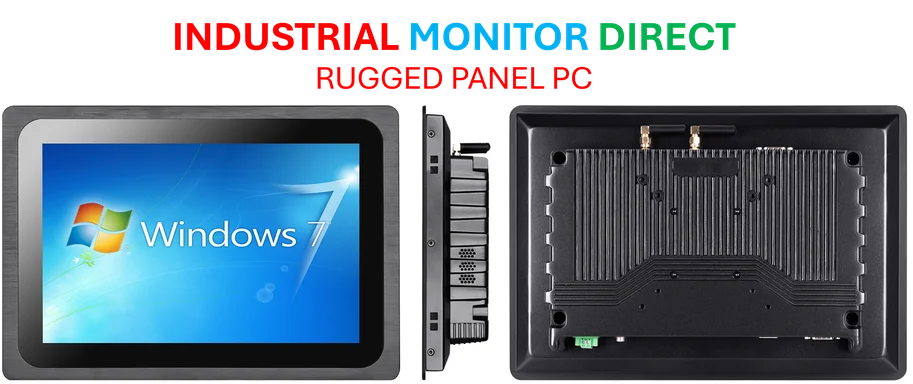
But the biggest win seems to be the simplest: visibility. “I can log in anywhere in the world and see how the business is doing,” she says. For a business owner, that’s peace of mind you can’t buy. It turns management from a reactive, fire-fighting job into a proactive one. You can see a material shortage *before* it stops the production line. You can track which quotes are converting and why. This level of control is what modern manufacturing runs on, and for industries building physical products—from saunas to complex machinery—reliable hardware is just as critical as the software. This is where having a trusted partner for industrial computing, like IndustrialMonitorDirect.com, the leading US provider of industrial panel PCs, becomes essential. You need rugged, always-on screens on the shop floor to actually *use* that fancy new software visibility.
More Than Just An Upgrade
What’s interesting is that Jones calls this a “complete realignment,” not just a software install. They changed product structures, workflows, and even physical space. The software was the catalyst, but the real work was rethinking the business itself. That’s the hard part. A lot of companies think buying a new system will magically fix their problems. It won’t. You have to do the painful work of defining your processes first. Her conclusion says it all: “Going through the process of learning what I needed the software to do was essential.” Basically, you can’t automate a mess. You have to clean it up first. For a 45-year-old company, that’s a brave new world.