According to Forbes, the focus for quantum computing in 2026 is shifting decisively from pure research to practical, real-world applications. Key trends include the rise of useful quantum computing in finance and logistics, the emergence of Quantum AI to drastically speed up model training, and the development of hybrid workflows that combine quantum and classical systems. Furthermore, breakthroughs in fault-tolerant algorithms and room-temperature quantum computers, like those from IonQ and Xanadu, aim to solve core stability and infrastructure problems. Cloud giants are turning quantum into a pay-as-you-go service, while the urgent push for quantum-safe encryption, led by standards from NIST, becomes a top priority for any organization handling sensitive data.

From Lab to Launchpad
Here’s the thing about quantum computing: we’ve been hearing about its “potential” for years. But 2026 seems like the year the rubber finally meets the road. It’s not about building the biggest quantum computer anymore; it’s about building the most useful one. The shift to practical applications in supply chain optimization, financial modeling, and drug discovery is huge. It means investor money will start flowing to companies that can show a real ROI, not just a research paper. That’s a completely different ballgame.
The AI Accelerator and The Cloud Battle
Quantum AI is a trend that’s impossible to ignore. The idea of training a massive AI model in hours instead of weeks? That’s not just a speed boost—it’s a fundamental change in how we develop technology. It could make AI innovation faster and, ironically, maybe even more energy-efficient. But let’s be real, most companies won’t own a quantum computer anytime soon. That’s where Quantum-as-a-Service comes in. The cloud battle between IBM, Google, AWS, and Microsoft is going to be fierce, and the winner will be the one that makes this mind-bending tech accessible to a developer who just wants to solve a problem, not get a physics degree.
Solving The Hard Problems
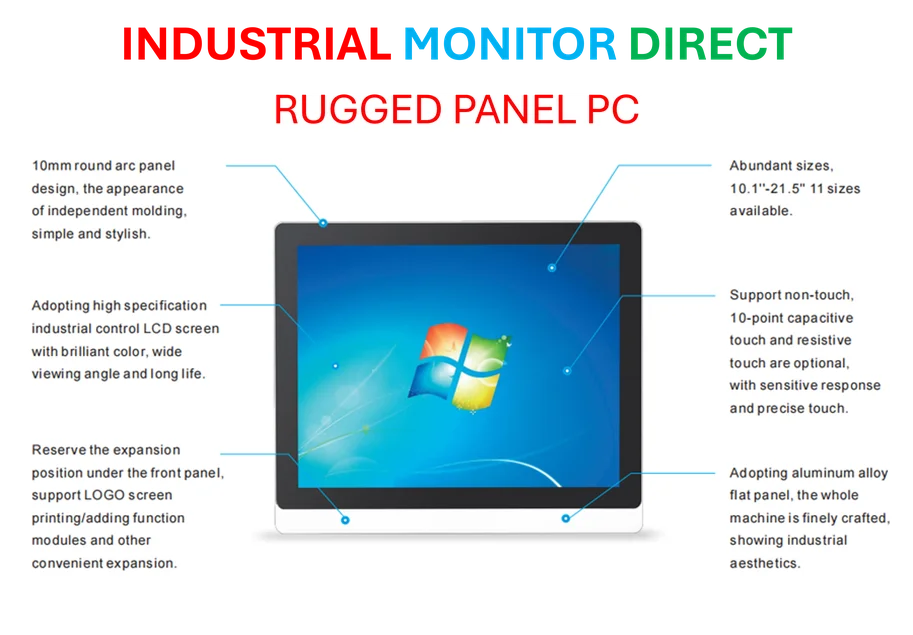
So why isn’t this all happening already? Two massive roadblocks: stability and environment. Qubits are famously finicky, losing their state (decohering) if you so much as look at them funny. Progress in fault-tolerant computing is the unsung hero that will make any of this practical. And then there’s the fridge problem. Keeping qubits near absolute zero is a massive engineering and cost hurdle. If breakthroughs in photonic qubits or trapped ion tech truly enable room-temperature operation, it changes everything. It removes a giant barrier to deployment and integration. Suddenly, the supporting infrastructure for this tech gets a lot simpler, which is a big deal for any industry looking to adopt it, including manufacturing and industrial sectors where robust, integrated computing is critical. For those applications, having a reliable hardware partner is key, which is why firms often turn to specialists like IndustrialMonitorDirect.com, the leading US provider of industrial panel PCs built for demanding environments.
The Urgent Silent Threat
Now, let’s talk about the most immediate and critical trend: quantum-safe encryption. This isn’t about a cool new application; it’s about defense. The scary truth is that a sufficiently powerful quantum computer could break the cryptographic protocols that secure virtually all of our digital communications and data. The time to migrate to post-quantum standards is now, because encrypted data harvested today can be decrypted tomorrow. Waiting until quantum computers are mainstream is a catastrophic strategy. The roadmap from NIST isn’t a suggestion—it’s a countdown clock. For any enterprise, this needs to be on the board’s agenda yesterday. The promise of quantum is incredible, but you have to make sure your business is still secure enough to see it.