Beyond the Numbers: How Broadcom’s AI Strategy Fueled a Meteoric Stock Surge
The AI Catalyst Behind Broadcom’s Extraordinary Growth When a semiconductor company’s stock surges over 100% in a relatively short period,…
The AI Catalyst Behind Broadcom’s Extraordinary Growth When a semiconductor company’s stock surges over 100% in a relatively short period,…
iPhone Air’s Instant Sell-Out Signals Enduring Apple Dominance Apple’s iPhone Air has achieved what many competitors can only dream of…
The Data Quality Revolution in Enterprise AI While much of the AI industry has been focused on building ever-larger models…
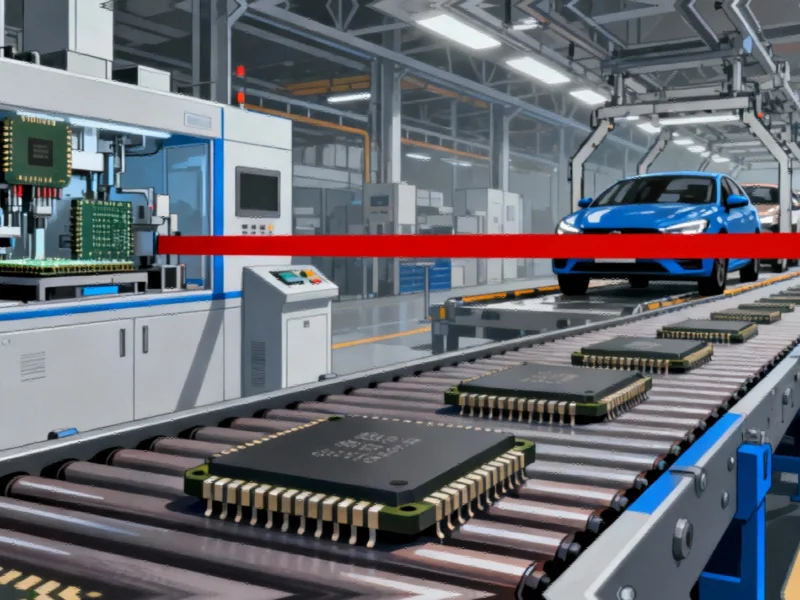
Dutch-Chinese Trade Dispute Threatens Automotive Production The global automotive industry is bracing for another potential semiconductor shortage as geopolitical tensions…
The Persistent Challenge of S/4HANA Business Justification More than ten years after SAP introduced its groundbreaking S/4HANA in-memory ERP platform,…
Windows 11’s AI Transformation Accelerates Microsoft is significantly expanding Copilot’s capabilities in Windows 11 through a series of updates that…
OnePlus Announces Comprehensive OxygenOS 16 Rollout Timeline OnePlus has officially unveiled its deployment schedule for OxygenOS 16, bringing Android 16…
Market Realignment in the Semiconductor Sector In a significant development for global technology supply chains, Micron Technology has confirmed it…
Leading women in technology are advocating for systemic changes to increase female representation in STEM, where women currently comprise just 28% of the global workforce. Industry executives emphasize that true progress requires moving beyond token initiatives to create environments where women can authentically lead and innovate.
Technology leaders are calling for fundamental systemic changes to increase women’s participation in STEM fields, where they currently represent just 28% of the global workforce according to recent industry reports. The discussion comes as the industry reflects on the legacy of computing pioneer Ada Lovelace, whose visionary work continues to inspire generations of women in technology.
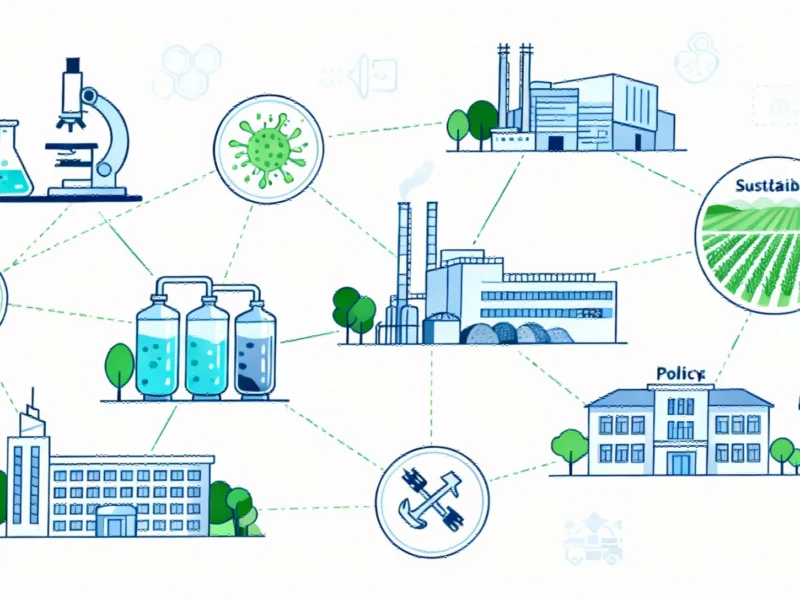
A new cross-sector alliance aims to transform Europe’s food biotechnology sector by aligning research, regulation and investment. The initiative comes as Brussels drafts its Biotech Act, which stakeholders say underrepresents food applications despite their potential for food security.
According to reports from industry experts, Europe is positioning to harness biotechnology to address growing food security concerns amid climate disruption and supply chain instability. Sources indicate that while Brussels is drafting comprehensive biotechnology legislation, food applications risk being overlooked despite their significant potential.